- National
- Bangladesh
- Business
- International
- Sports
- Entertainment
- Politics
- Technology
- Life Style
- Religion
- Opinion
Friday, 17 April 2026

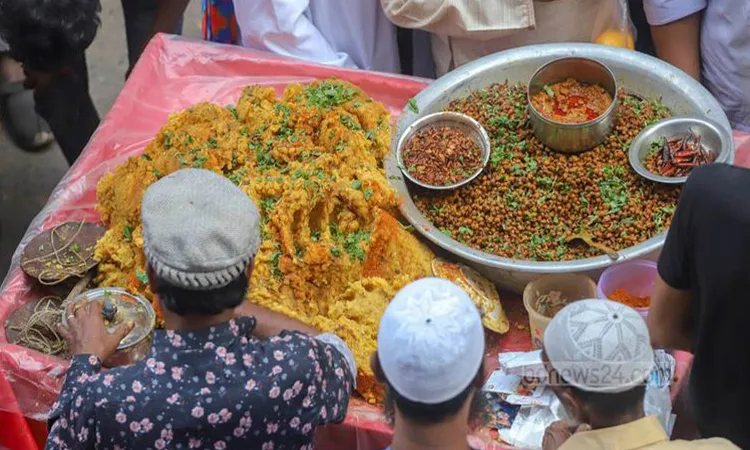
With the holy month of Ramadan underway, many fasting individuals face common digestive issues like indigestion, acidity, and fatigue. While the joy of Iftar often leads to overeating, health experts suggest that mindful food choices and moderation can ensure a comfortable fasting experience.
Smart Start to Iftar
The most critical step is how you break your fast. Instead of diving into heavy, oily meals, start with dates and water. Dates provide natural sugars and potassium that quickly stabilize blood glucose levels. After a short break, opt for light appetizers like vegetable soup, salads, or fresh fruits. This approach prepares the stomach for digestion and prevents the discomfort of overeating.
Balanced Dinner and Sehri
For dinner, prioritize protein and fiber. A balanced plate of rice with fish, chicken, lentils, and plenty of vegetables is ideal. Chewing your food thoroughly is essential; it aids digestion and helps you feel full faster, naturally controlling your calorie intake.
For Sehri, choose slow-digesting foods that provide sustained energy. Oats, eggs, yogurt, nuts, and whole grains are excellent choices to keep hunger at bay throughout the day.
You don't have to eliminate traditional treats entirely, but moderation is key. Try baked or grilled versions of your favorite snacks. Replace syrupy desserts with yogurt and honey or low-sugar homemade treats.
Avoid gulping large amounts of water at once during Iftar. Instead, sip water consistently between Iftar and Sehri to stay hydrated without bloating.
By following these simple dietary rules, you can maintain your energy levels and avoid the physical strain of acidity and indigestion this Ramadan.
Comment