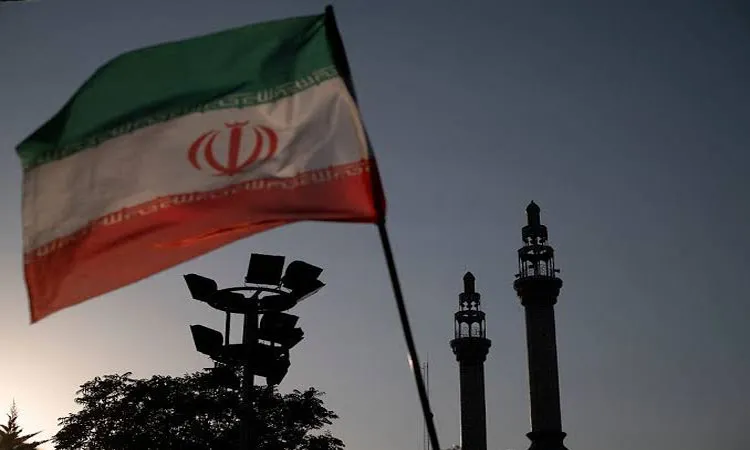
U.S. Vice President JD Vance has canceled a planned trip to Switzerland, pausing complex negotiations meant to implement a newly signed 14-point peace agreement between Washington and Tehran.
The White House had planned a formal signing ceremony in Geneva this week. However, Iran’s foreign ministry dismissed the event as unnecessary, noting that U.S. President Donald Trump and Iranian President Masoud Pezeshkian had already signed the interim deal on Wednesday at Versailles.
Before Vance’s cancellation, Iran’s semi-official Tasnim news agency reported that Tehran’s negotiators expect to see concrete signs of U.S. implementation before proceeding with technical talks. The White House stated Vance was ready to depart, but acknowledged that "the logistics of these negotiations have never been simple or predictable."
The diplomatic stalling raises fresh concerns about the durability of a truce aimed at ending a three-month regional war that has killed at least 7,000 people, disrupted global energy markets and displaced over a million civilians in Lebanon.
The conflict began in late February when the U.S. and Israel launched an offensive against Iran, assassinating 86-year-old Supreme Leader Ayatollah Ali Khamenei. President Trump initially stated the war aimed to destroy Iran’s nuclear capabilities, dismantle its proxy networks and trigger a government collapse.
However, the 14-point agreement signed this week achieves none of those original objectives.
Instead, the deal extends an existing ceasefire by 60 days, establishes a $300 billion reconstruction fund, unfreezes tens of billions in Iranian assets, and grants immediate U.S. waivers for Iranian oil exports. In return, Iran agreed to the onsite "down-blending" of its highly enriched uranium and ongoing International Atomic Energy Agency (IAEA) inspections, though it rejected U.S. demands to remove the nuclear material from the country entirely.
Iran's new Supreme Leader, Ayatollah Mojtaba Khamenei, claimed Trump signed the deal "out of desperation" and warned that Tehran would not accept excessive American demands in future nuclear talks.
While U.S. officials maintain the framework could lead to a permanent end to Iran's nuclear ambitions, analysts argue Tehran has emerged stronger. "For Washington and Tehran, this is a grand bargain with no turning back," said Lebanese commentator Sarkis Naoum.
The peace agreement has triggered severe blowback from U.S. allies. Israel, excluded from the negotiations has distanced itself from the accord and views it as a strategic failure.
"We went to topple the regime with U.S. backing and ended with Washington effectively giving legitimacy and strengthening the same regime we wanted to bring down," said Danny Citrinowicz, a senior researcher at Israel's Institute for National Security Studies. He called the deal a "catastrophe" that leaves Iran's missile programs intact and deepens Israel's global isolation.
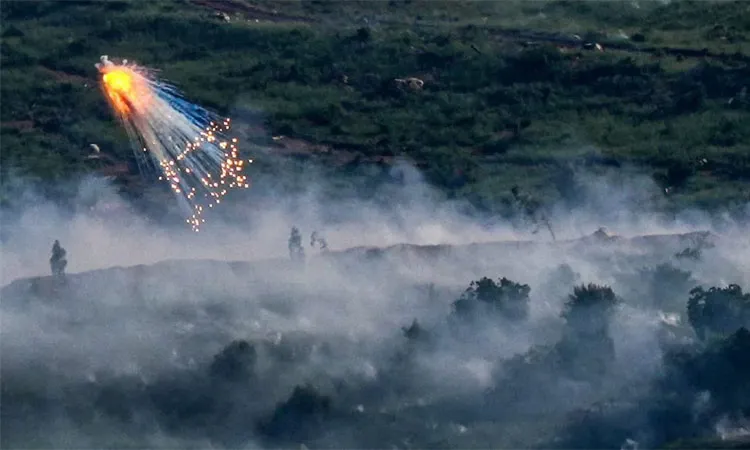
Defying the 60-day regional ceasefire mandated by the agreement, Israeli forces launched fresh airstrikes in Lebanon early Thursday and released maps indicating an expanded occupation zone. President Trump has publicly criticized Israel's continued operations in Lebanon, exposing a historic rift between Washington and Prime Minister Benjamin Netanyahu’s government.
In the Gulf, Arab states are watching with alarm. Many feel sidelined by a deal that erodes their confidence in U.S. military protection while entrenching Iran as a dominant regional power. However, Alex Vatanka of the Middle East Institute argued the deal was the safest path forward. "They tried to take Iran down militarily. They couldn't. The alternative would have been catastrophic," he said.
Domestically, Trump faces fierce criticism from his Republican allies in Congress. Many question why the president who previously promised to extract Iran's "unconditional surrender" agreed to sweeping sanctions relief and immediate oil waivers.
As the 60-day ceasefire ticks down, the ultimate success of the agreement will depend on the upcoming nuclear negotiations and whether the U.S. can reign in its allies in an increasingly volatile Middle East.