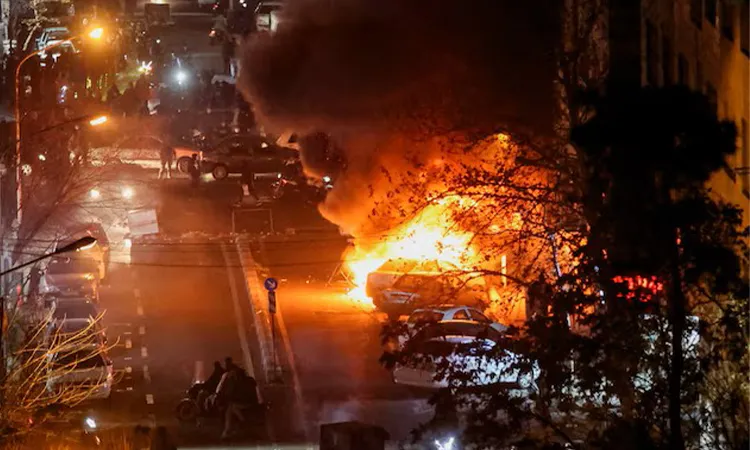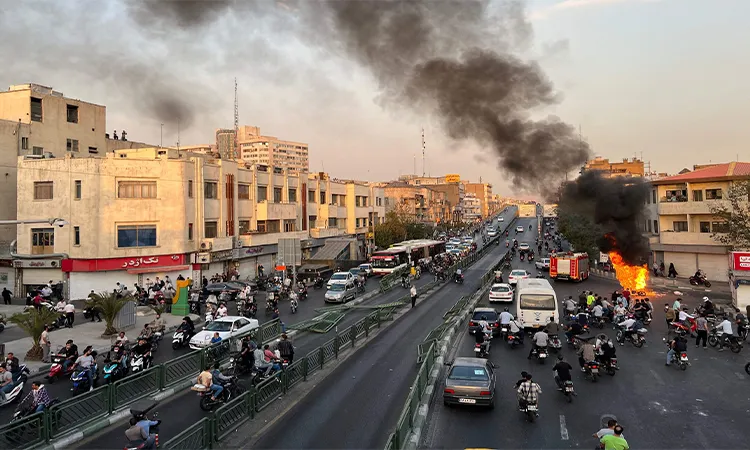
Widespread protests sparked by Iran’s collapsing economy escalated on Thursday, spreading into rural provinces and resulting in at least six deaths. The fatalities include five protesters and one member of the paramilitary Basij force, marking a violent shift in the state's response to the largest demonstrations since 2022.
The most intense clashes occurred in the cities of Azna, Lordegan, and Kouhdasht—areas primarily inhabited by the Lur ethnic group. Online footage captured sounds of gunfire and streets set ablaze as security forces moved in.
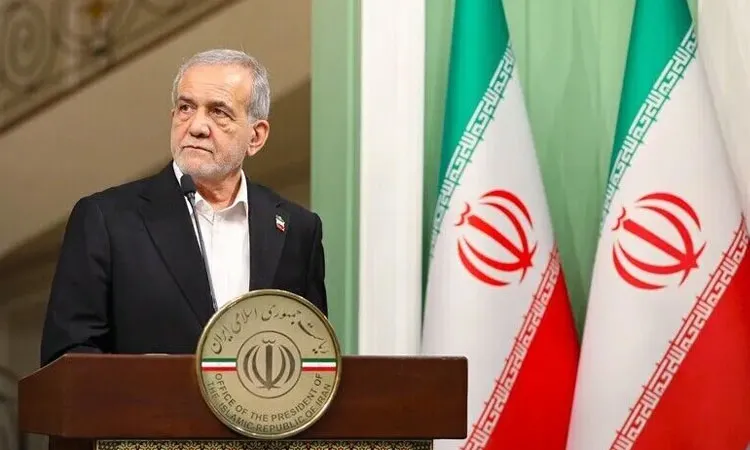
Protesters are reacting to extreme inflation and the rapid depreciation of the rial, which has hit a record low of 1.4 million to $1. While President Masoud Pezeshkian’s reformist government has expressed a desire to negotiate, officials acknowledge their limited power to stabilize the economy.
Authorities have reported the arrest of 20 people in Kouhdasht and seven others allegedly linked to monarchists or European groups. Security forces also claimed to have seized 100 smuggled pistols.
The unrest follows a 12-day war with Israel in June 2024 and U.S. strikes on nuclear sites. Although Iran claims to have halted uranium enrichment to seek sanctions relief, tensions remain high with the U.S. and Israel.