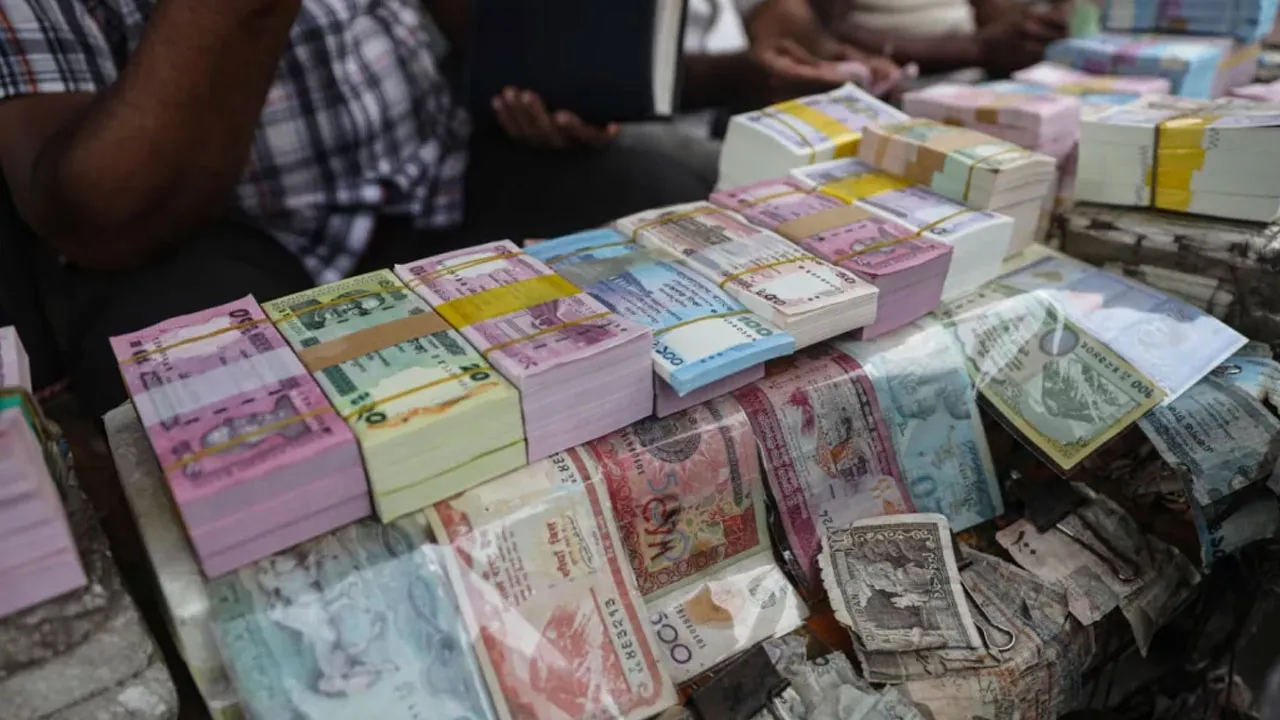
The Bangladesh government’s borrowing from domestic commercial banks hit a record Tk1.31 lakh crore in the newly concluded FY26, significantly overshooting official targets. According to Bangladesh Bank data, this heavy reliance on bank financing pushed the state's total outstanding banking liabilities up by nearly 24% in just 12 months.
Driven by ongoing shortfalls in tax revenue and rising debt-servicing costs, the Ministry of Finance repeatedly revised public borrowing limits upwards throughout the fiscal year. Yet, final expenditures consistently outpaced even these adjusted targets.
While borrowing from commercial banks avoids the direct inflation caused by printing new money, economists warn it severely strains the broader financial ecosystem. The primary concern is the "crowding out" effect: as banks channel their liquidity into low-risk government bonds, the pool of available capital for private businesses shrinks. This dynamic drives up commercial lending rates, stifles private industrial expansion, and leaves the banking sector with less flexibility to manage liquidity shocks.
Independent macroeconomists stress that this high-borrowing trajectory is unsustainable as Bangladesh approaches LDC graduation. Treating commercial banks as an unrestricted funding source for fiscal deficits places a heavy burden on the domestic financial system.
To resolve this growing imbalance between state revenue and expenditure, experts urge immediate structural reforms. Recommended measures include automating and expanding the domestic tax base, cutting non-essential administrative spending, and diversifying financing by tapping into international capital markets or expatriate bond programs.