With only two days until the 2026 FIFA World Cup kicks off across the United States, Canada, and Mexico, football fever has officially gripped North America. Bangladeshi expatriates are eagerly joining the celebration. In areas with large Bangladeshi communities—such as New York, New Jersey, Michigan, Texas, Florida, and California—the World Cup is dominating conversations at local cafes, restaurants, and family gatherings.
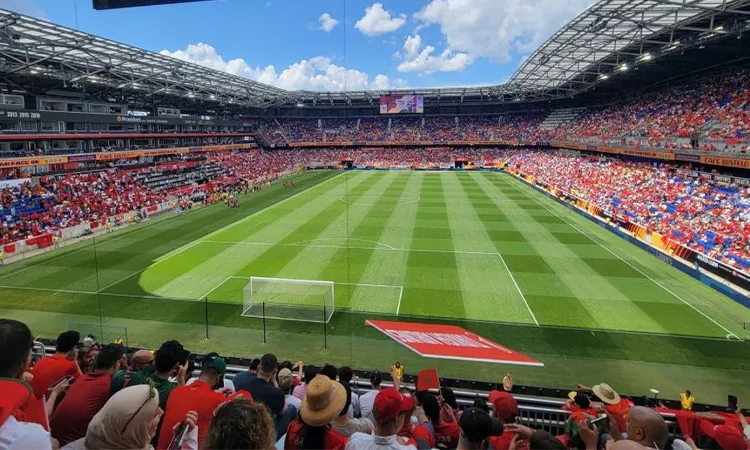
Many Bangladeshis across the U.S. have already secured stadium tickets, with some preparing to travel hundreds of kilometers to support their favorite teams live. For those not attending in person, community organizations are setting up large screens for neighborhood watch parties.
"When the World Cup comes, we feel like teenagers again. We forget our daily pressures," said Mofachhel Haque Kajal, a government employee in New York. "Watching games with friends and arguing about teams brings a piece of Bangladesh back to us."
Sami, a young New York resident who managed to secure tickets, echoed the sentiment: "I’ve watched the World Cup on television since childhood. I never imagined I’d actually sit in a stadium to watch it live. Now I am just counting the days."
For many older expatriates, the global tournament sparks nostalgia for Bangladesh's golden era of domestic football. Memories of the fierce Abahani-Mohammedan rivalries, Ashrafuddin Chunnu's creativity, Sheikh Mohammad Aslam's goals, and Badal Roy's midfield dominance frequently resurface.
"In our time, an Abahani-Mohammedan match was a festival; the stadiums were packed to the brim," recalled Zahirul Islam, a Michigan-based businessman. "Watching the World Cup brings those days right back. Football is just a part of our lives."
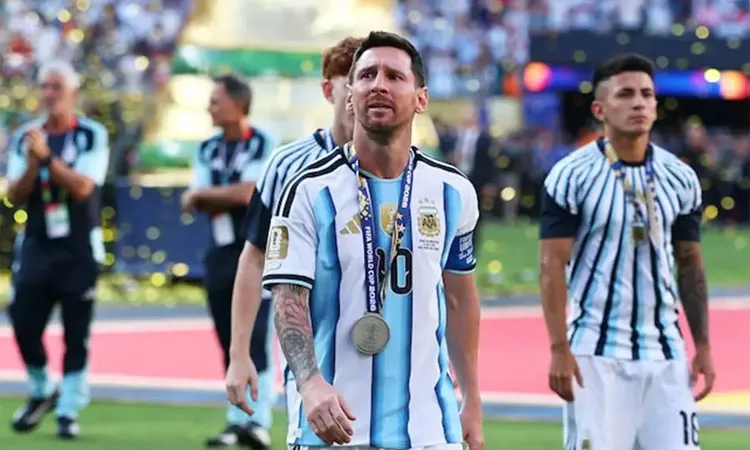
The excitement is equally strong among the younger diaspora generation. While some Bangladeshi-American youth may not speak fluent Bengali, they can effortlessly rattle off the names of international stars. For many of these children, football is entirely synonymous with legends like Lionel Messi and Cristiano Ronaldo.
"My son understands 'Messi' when you say football," said Sharmin Akhter, a New Jersey resident. "But I also tell him stories about Bangladeshi football. I tell him about Chunnu, Aslam, and Badal Roy so he knows his roots."
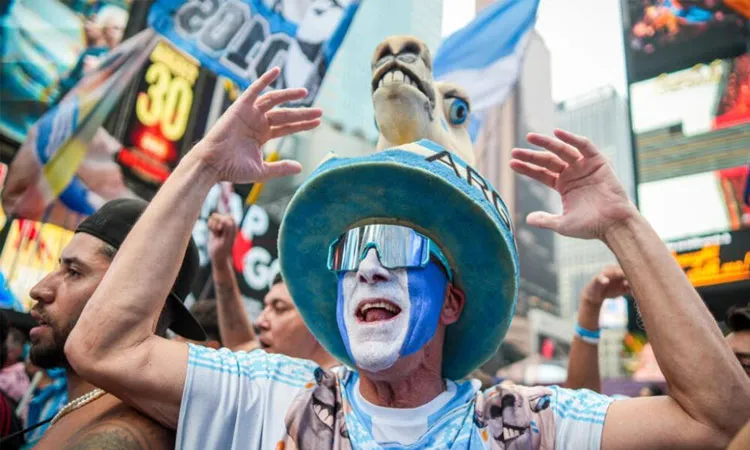
Local businesses are also seeing a significant boost. Shops in Jackson Heights, Brooklyn, and Queens are fully stocked with international jerseys, flags, and scarves. According to one Jackson Heights vendor, Argentina and Brazil jerseys remain the undisputed top sellers.
When expatriate Bangladeshis eventually leave the stadiums or community centers, their celebrations will closely mirror the lively tea-stall debates and rooftop flags of their homeland. Long after the 2026 World Cup concludes and the stadiums empty out, the shared joy and cultural connection of this global festival will endure.