


Recent excavations in the ancient Roman city of Pompeii, specifically at a large villa in the northern suburb of Civita Giuliana, have yielded surprising evidence regarding the diet of slaves. The findings, announced by Italy's culture ministry, indicate that some slaves received better nutrition than ordinary working-class citizens, challenging assumptions about their living conditions.
Archaeologists focused on a 16-square-meter servants' quarter on the ground floor, which was rat-infested and housed up to three slaves. On the first floor of the same quarter, they discovered amphora jugs containing fava beans and a large bowl holding various fruits, including pears, apples, and sorbs.
The findings suggest that the slaves' nutrition was enhanced to maintain or increase their productivity. This enhanced diet meant that slaves in the villas around Pompeii might have been "better fed than many formally free citizens," particularly poor working-class families who often lacked the bare minimum and relied on a simple, wheat-based diet.
Gabriel Zuchtriegel, Director of the Pompeii Archaeological Park, stated that the findings expose the "absurdity of the ancient slave system," noting that ancient Romans referred to slaves as mere "speaking tools."
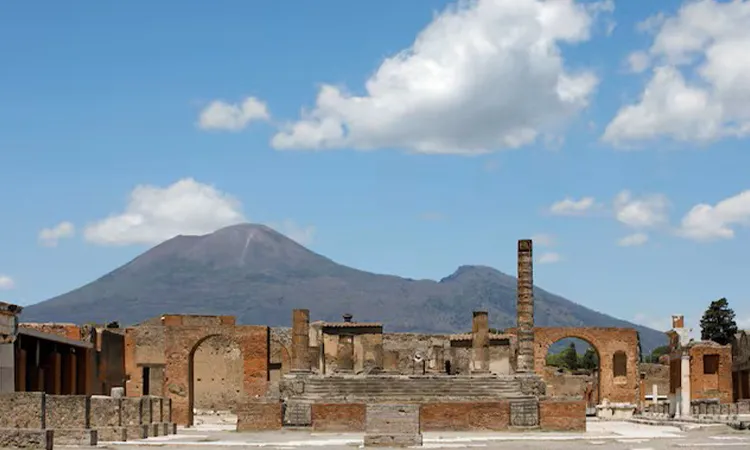
The city of Pompeii and its surroundings were famously destroyed by the eruption of Mount Vesuvius in A.D. 79, preserving its ruins under layers of ash and lava.
