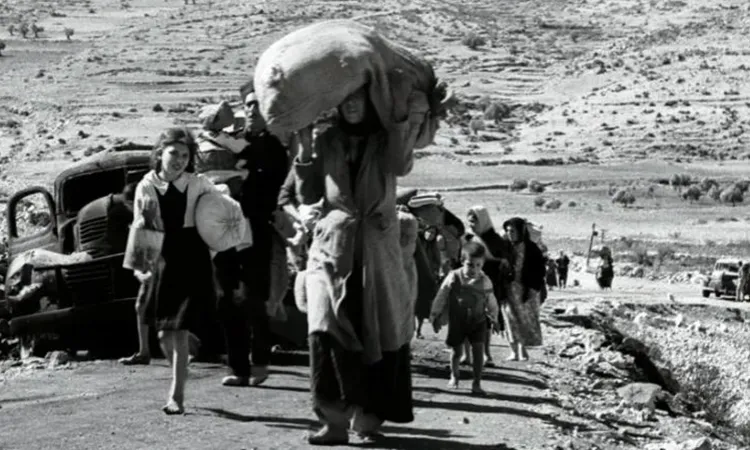
On May 15, 1948, a devastating catastrophe befell the Palestinian people. Known historically as the Nakba (Arabic for "catastrophe"), this period marked the violent mass displacement and dispossession of Palestinians from their homeland. Every year, Palestinians and human rights advocates globally observe this day to remember a tragedy that remains an open wound in 2026.
The Nakba refers to the systematic ethnic cleansing of Palestine that intensified immediately following the declaration of the State of Israel in 1948.

More than 750,000 Palestinians were forcibly expelled from their ancestral lands and homes. Zionist militias depopulated and destroyed more than 500 Palestinian villages and towns. Brutal massacres were carried out in numerous villages, such as Deir Yassin, to instill panic and force Palestinians to flee.
Historians and political analysts emphasize that the Nakba is not merely a static historical event, but an ongoing process. The displacement that began in 1948 continues today. Across the Gaza Strip and the West Bank, Palestinians face daily land confiscations, military occupation, and systemic loss of life. The contemporary humanitarian crisis in Gaza—characterized by severe blockades, critical shortages of food and medical supplies, and devastating civilian casualties—underscores the endurance of the Nakba. Decades later, generations of Palestinians continue to grow up in refugee camps with no guaranteed future.

In 2023, the United Nations General Assembly officially commemorated Nakba Day for the first time, marking a significant diplomatic recognition of the Palestinian struggle. However, despite international resolutions, the realization of fundamental Palestinian rights and a sovereign state remains blocked.
Seventy-eight years later, Palestinian resistance endures. Nakba Day is not simply a day of mourning; it stands as a global symbol of resilience and the ongoing struggle for self-determination, justice, and the right of return.