
- National
- Bangladesh
- Business
- International
- Sports
- Entertainment
- Politics
- Technology
- Life Style
- Religion
- Opinion
- FIFA World Cup 2026
Thursday, 30 July 2026

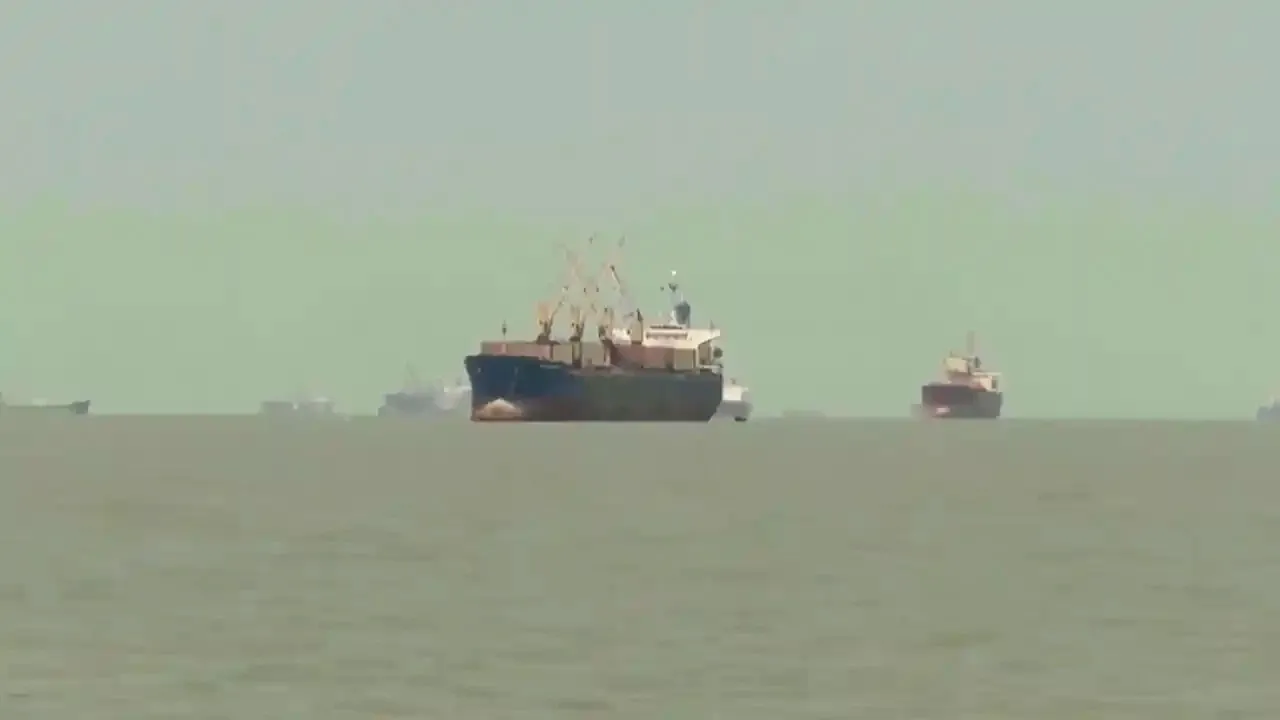
Bangladesh is facing fresh challenges in importing crude oil as renewed attacks in the Red Sea have disrupted shipping routes. Tankers are increasingly being forced to avoid the Suez Canal and take a longer route around Africa, raising transportation costs and extending delivery times.
The Bangladesh Shipping Corporation (BSC) said a tanker carrying about 100,000 tonnes of crude oil was waiting near Saudi Arabia’s Yanbu port when Houthi attacks occurred in the area on July 23. For security reasons, Saudi authorities instructed the vessel to leave the port.
Instead of using the Suez Canal, the tanker is now taking a route around Africa before heading to Chattogram. The journey is expected to take about 50 days, compared with roughly 12–15 days under the previous route.
BSC Managing Director Commodore Mahmudul Malek said the longer route could add $3.5 million to $4.5 million to the transportation cost of a tanker. Previously, transporting crude from the region cost about $11.5 million to $12 million, he said.
The alternative route runs through the Suez Canal and Mediterranean Sea, then past the Strait of Gibraltar and down the west coast of Africa before rounding the Cape of Good Hope and sailing to Bangladesh. Industry officials estimate the journey can take 48 to 50 days.
The disruption is also affecting container shipping. Several major shipping companies have suspended services through the Red Sea because of security concerns, leaving cargo containers stranded at ports and disrupting international supply chains.
Azmir Hossain Chowdhury, head of operations at MSC Shipping, said any further escalation in the Red Sea could have a significant impact on the shipping industry, particularly if smaller operators also suspend services through the Suez route.
Bangladesh may need to look for alternative sources of crude and increase imports of refined petroleum products to manage the disruption. However, industry officials warn that both options could increase the country's fuel import bill if the crisis persists.
