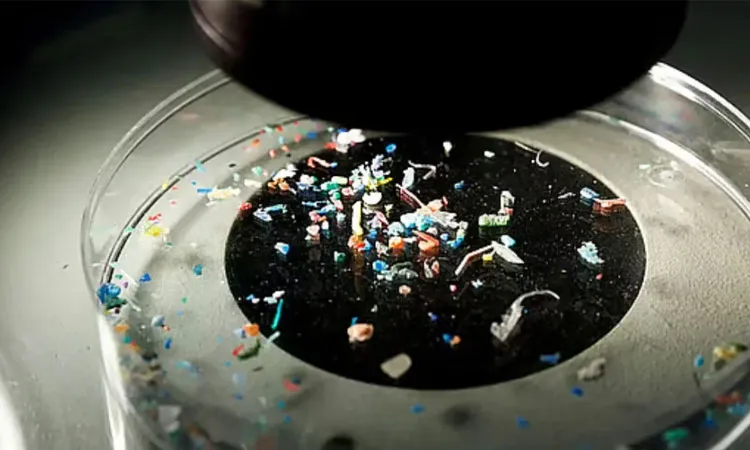
Every day microscopic plastic particles—under 5 millimeters—unknowingly enter our bodies through water food and the air we breathe. These "microplastics" come from the breakdown of larger plastics or are intentionally added to products like cosmetics.
Once considered merely an environmental issue, microplastics are now a major public health concern. Studies have detected these particles in human blood, lungs, brains, and placentas. They infiltrate our systems through seafood, bottled water, tap water, tea bags, and polluted air. Storing or heating food in plastic containers also accelerates chemical leaching into our meals.
Researchers warn these particles carry harmful chemicals that may disrupt hormones, cause cellular damage and trigger inflammation. Vulnerable groups—particularly children pregnant women and the elderly—face the highest potential risks.
While completely avoiding microplastics is impossible, you can significantly reduce your daily exposure through these six actionable steps:
Filter Your Water: Use high-quality water filters to catch plastic particles present in tap or tubewell water.
Ditch Plastic Containers: Always store and microwave food in glass, stainless steel, or ceramic containers.
Limit Packaged Foods: Eat fresh home-cooked meals instead of processed items wrapped in commercial plastics.
Avoid Single-Use Plastics: Say no to disposable plastic straws, cutlery, cups, and polythene bags.
Choose Natural Materials: Opt for cotton wool or jute clothing and eco-friendly bags over synthetic materials like polyester which shed plastic fibers.
Check Toiletries: Read labels on scrubs toothpastes, and cosmetics. Avoid anything containing polyethylene or polypropylene.
Additionally be mindful of your seafood consumption, as ocean plastic waste frequently enters the marine food chain. Small, conscious lifestyle changes can effectively protect your family's health.