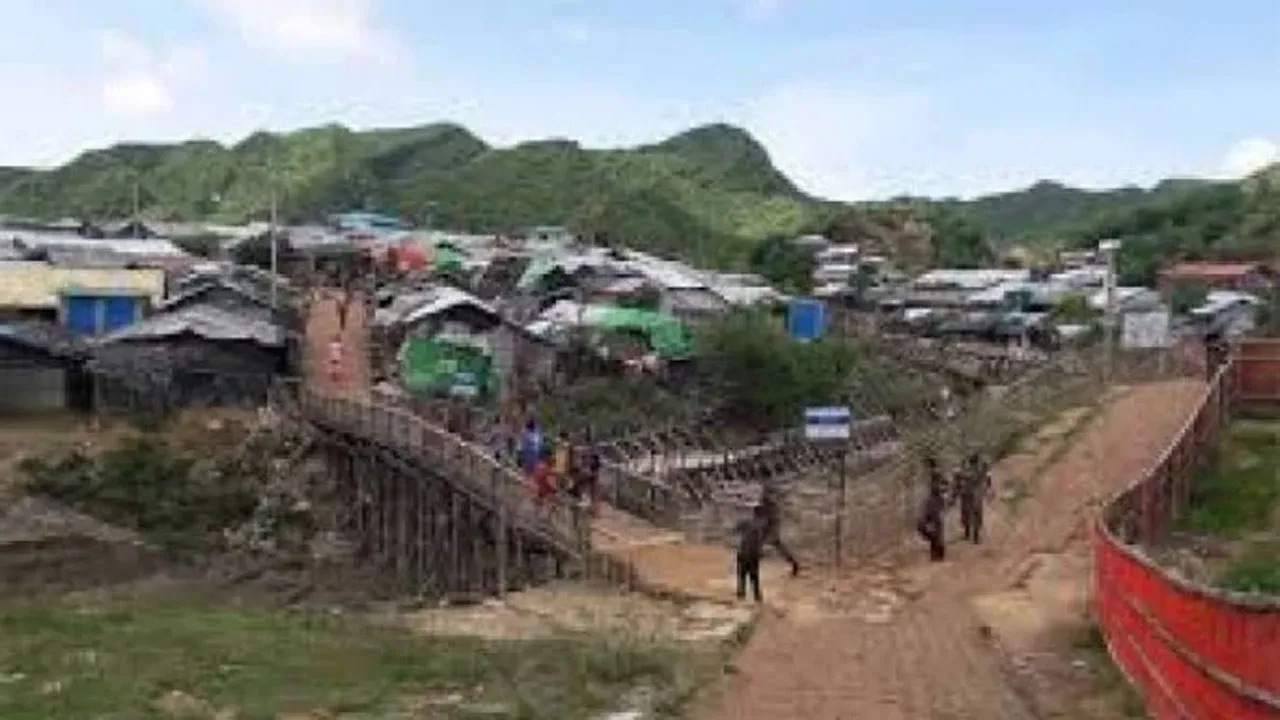
Massive deforestation in Cox’s Bazar has left over one million Rohingya refugees highly vulnerable to deadly landslides, with risks reaching a breaking point this monsoon. Since 2021, landslides in the camps have killed at least 43 people and injured 98. The danger intensified this year; between July 4 and July 9, 2026, continuous rain and flash floods killed 15 Rohingyas and affected over 26,000 others.
Nearly 6,000 acres of hills and forests were cleared to accommodate the 1.1 million displaced people. Experts from Chittagong University warn that this environmental destruction is the primary cause of the disasters. Historically, deep-rooted trees stabilized the soil. Now, indiscriminate clearing and unplanned construction of shelters and schools on steep slopes have left the loose, sandy soil exposed to heavy rainfall.
Refugee Relief and Repatriation Commissioner Mohammad Mizanur Rahman reported that 80% of shelters remain exposed to landslide risks. While authorities relocate residents during emergencies, these measures are temporary. "The only permanent solution is repatriation," Rahman stated.
The ecological toll is staggering. A World Bank study found that forest cover within the camp areas plummeted from 54% to just 2% between 2017 and 2020. While providing LPG has reduced the need for firewood, the lack of vegetation continues to drive soil erosion and flash flooding, threatening both the refugees and the surrounding environment.