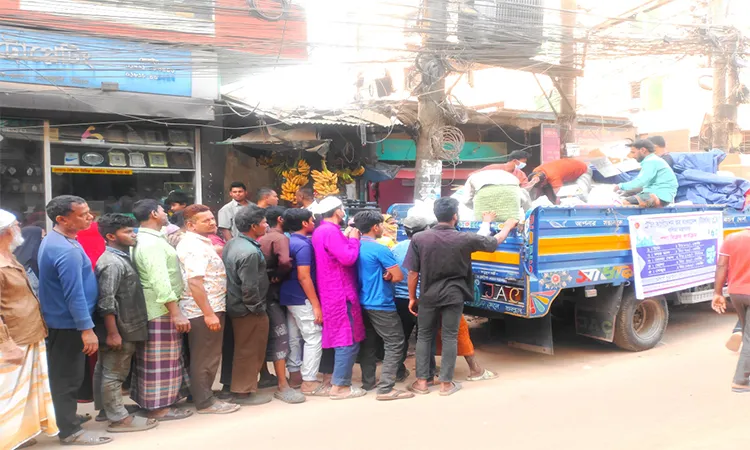
The Trading Corporation of Bangladesh (TCB) is planning to introduce an artificial intelligence (AI)-powered market intelligence system to identify potential price hikes, supply shortages and disruptions in the supply chain before they become major problems.
TCB Chairman Brigadier General Mohammad Faisal Azad said the proposed system could help the government monitor market trends more effectively and take timely action to maintain the supply of essential commodities.
In an interview with Bangladesh Sangbad Sangstha (BSS), Faisal Azad said the system would be particularly useful in identifying where supply chains are being disrupted or where disruptions could occur in the future.
“Such a system would be highly effective for TCB if it could provide information on where supply disruptions are occurring or could potentially occur.”
AI to Provide Early Warning on Commodity Shortages
The proposed AI system would analyse a range of market and supply-chain indicators, including:
By analysing these factors, the system could generate early warnings about potential shortages or unusual price movements.
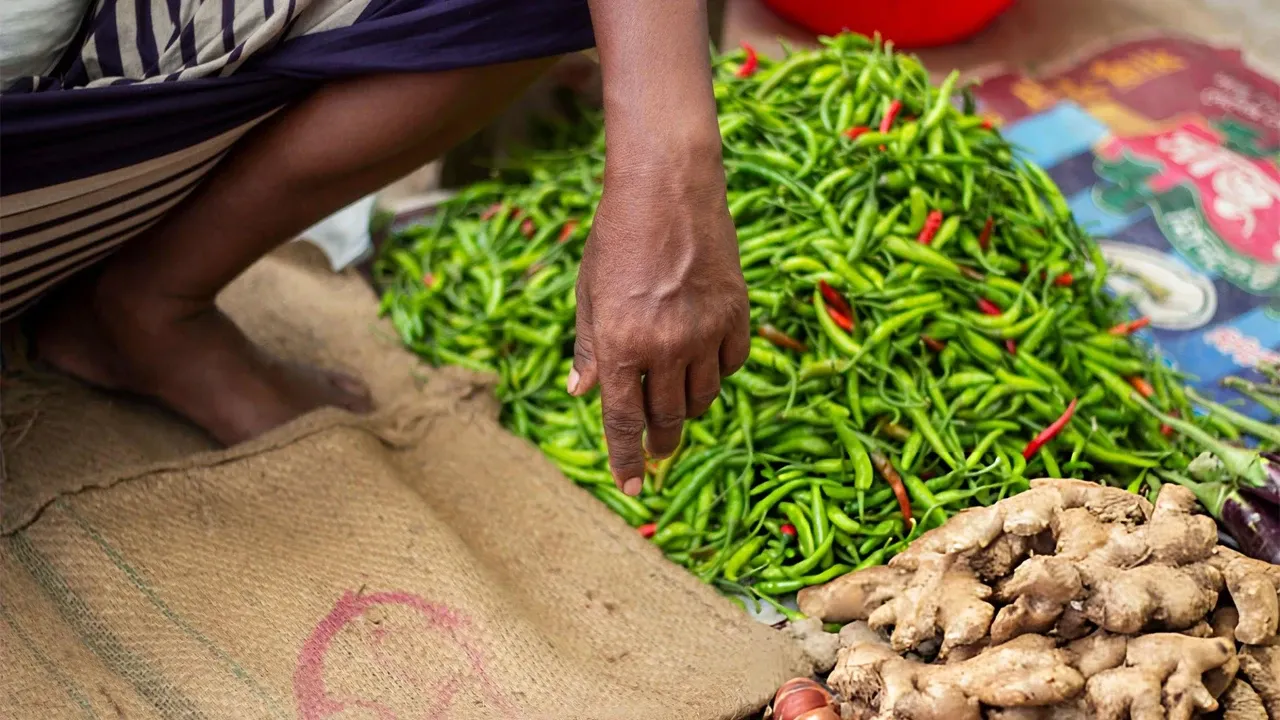
Faisal Azad cited the sudden increase in the price of green chilli earlier in August as an example of the challenge facing authorities.
He said TCB sometimes becomes aware of a commodity price increase only after prices have already risen. An AI-driven monitoring system could potentially help the agency identify warning signs before such increases occur.
According to the TCB chairman, the initiative is part of a broader plan led by Commerce Minister Khandkar Abdul Muktadir to develop AI-based systems for analysing market trends and supply-chain movements.
The system will initially be introduced on a pilot basis through TCB, he said.
A core committee comprising representatives from TCB, the Ministry of Commerce, Ministry of Food, Ministry of Agriculture, Bangladesh Bank and other relevant agencies has already held several meetings regarding the proposed system.
Once the project's Terms of Reference (ToR) are finalised, the authorities will begin the tender process to appoint an organisation to implement the project.
Faisal Azad stressed the importance of stronger coordination between government agencies because responsibility for different essential commodities is distributed among several ministries and organisations.
Regular coordination meetings are already being held under the leadership of the Ministry of Commerce to monitor commodity prices and supply conditions, he said.
He also noted that TCB can intervene in the market beyond its regular responsibilities when necessary and when directed by the government.
In the past, for example, TCB has sold potatoes and procured onions even though these commodities generally fall under the responsibilities of other ministries.
Alongside its digital transformation, TCB is also planning to strengthen its physical storage infrastructure.
The organisation plans to construct a new warehouse in Uttara and rebuild several older facilities under a public-private partnership (PPP) model.
TCB is also working to increase its own storage capacity by approximately 10,000 metric tonnes.
The additional capacity is expected to gradually reduce the agency's dependence on rented warehouses and lower associated costs.
TCB is also moving toward a more automated supply and distribution system.
According to the chairman, the introduction of point-of-sale (POS) machines and a new mobile application will improve transparency and make the system more convenient for consumers.
The digital transformation is expected to strengthen monitoring and reduce opportunities for irregularities in the distribution process.
TCB is introducing an online lottery system for selecting new dealers.
According to Faisal Azad, applicants will first undergo verification in accordance with government rules and scrutiny by district administrations. Eligible candidates will then be selected through an online lottery.
Under the proposed system, TCB plans to appoint one dealer for every 1,500 smart-card holders.
The chairman said the online selection mechanism is intended to reduce outside influence and ensure greater transparency.
“After verification of applications, eligible applicants are selected through an online lottery. There is no opportunity for interference in the selection process.”
Truck Sales to Remain an Emergency Market Intervention
TCB will continue to maintain its truck sale programme as an emergency market intervention mechanism, although it will not operate the programme as a routine activity.
Truck sales may be reintroduced when commodity prices rise abnormally or during periods of unusually high demand, such as Eid.
Despite its expanding responsibilities, TCB continues to face challenges related to manpower, financing and storage capacity.
The organisation currently has around 275 employees, while its annual procurement requirements have increased substantially.
TCB purchased commodities worth approximately Tk 5,500 crore last year and plans to procure around Tk 8,000 crore worth of products in the current fiscal year.
To manage its growing responsibilities, initiatives are underway to expand TCB's organisational structure and establish offices at around 21 locations across the country.
The chairman said specialised personnel will also be needed for new activities such as market-based procurement, profitable sales and AI-driven market analysis.
Financing is another major challenge for the government marketing agency.
TCB generally receives government loans to procure commodities. However, delays in receiving subsidy funds can increase the organisation's interest expenses.
The agency has therefore proposed allowing TCB to borrow from private commercial banks in addition to state-owned banks.
Faisal Azad said private banks can sometimes offer loans at comparatively lower interest rates, potentially reducing financing costs and, ultimately, the government's subsidy burden.
TCB also wants changes to the VAT rules applicable to businesses that supply imported commodities to the agency.
According to the chairman, suppliers importing products from abroad and delivering them to TCB can in some cases face higher VAT costs than domestic producers.
He believes resolving the issue could encourage more suppliers to participate in TCB procurement, increase competition and potentially reduce procurement costs.
A larger pool of qualified suppliers would also reduce TCB's dependence on a limited number of domestic producers.
Looking ahead, TCB's main priorities will be ensuring the availability of essential commodities at affordable prices, maintaining product quality, improving competitive procurement and strengthening management efficiency.
He also said new products could be added to TCB's portfolio based on consumer demand and market surveys.
According to the chairman, TCB's objective is not to force consumers to purchase its products. Rather, the products will remain an optional lower-cost alternative for people who need them.
With reforms, automation, AI-powered market intelligence, improved procurement and expanded infrastructure, TCB hopes to strengthen its ability to respond to market volatility and help maintain stability in the prices and supply of essential commodities.