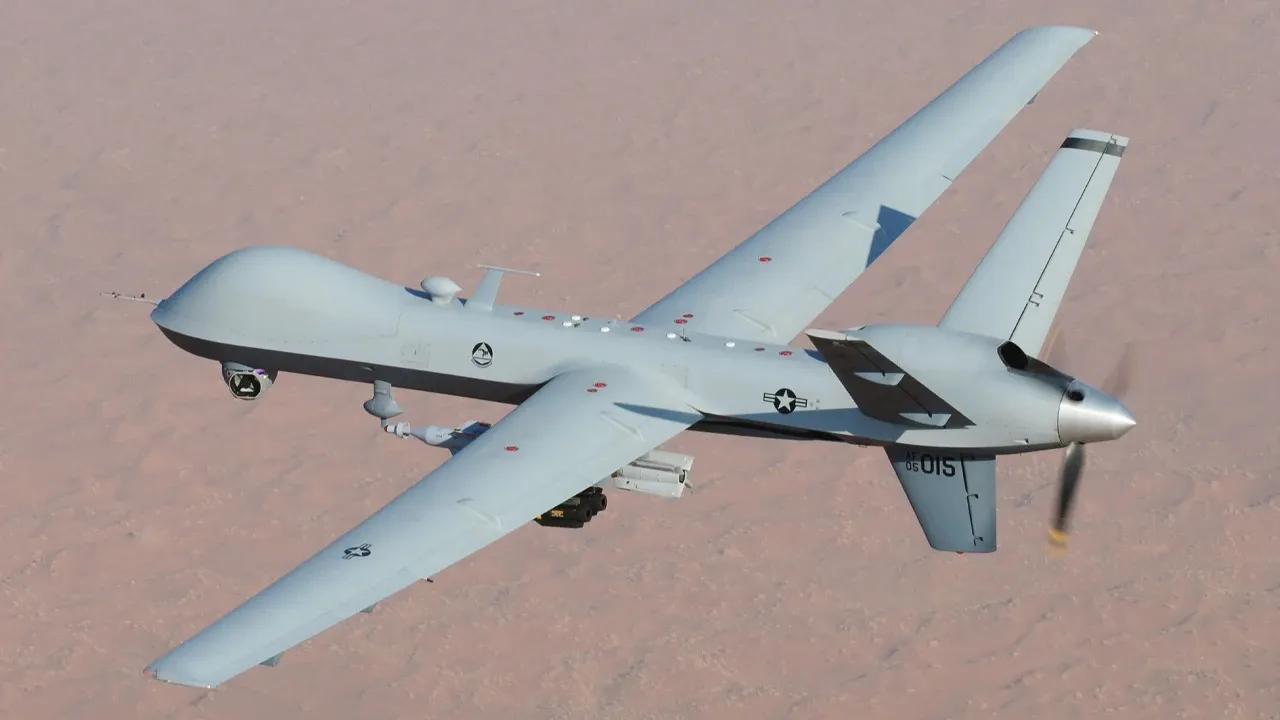
Iran’s Islamic Revolutionary Guard Corps (IRGC) on Monday (August 31) claimed that its air defence forces had shot down a US MQ-9 Reaper drone over the Strait of Hormuz, sending the aircraft crashing into the waters of the Gulf.
The claim was reported by Iran’s Mehr News Agency, citing a statement from the IRGC’s public relations department.
According to the IRGC, its air-defence forces launched a missile at the long-range US MQ-9 Reaper, striking the drone in the early hours of Monday. The military said the aircraft subsequently crashed into the Gulf.
The MQ-9 Reaper is an advanced unmanned aerial vehicle widely used by the US military for intelligence, surveillance, reconnaissance and precision strike missions. The cost of an individual aircraft can run into hundreds of crores of Bangladeshi taka, depending on its configuration and associated systems.
In its statement, the IRGC praised what it described as the vigilance of its modern air-defence forces.
The force also praised the continued presence and support of the Iranian public, describing it as a major source of support for its personnel.
However, there has been no independent confirmation in the information provided that the US drone was actually shot down, and Washington has not been reported as confirming the IRGC's claim.
The reported drone incident came a day after US forces carried out strikes against two Iranian launchers on Larak Island, according to Iranian media reports.
An unnamed US official told Axios that the operation was the first US strike on Iranian territory since the end of July.
Iranian news agency Tasnim reported that preliminary information suggested the strikes had been carried out using drones.
The United States reportedly targeted equipment that it alleged was being prepared to launch rockets carrying sea mines into the Strait of Hormuz.
The IRGC said several of its fighters and civilians were killed or wounded in the US strikes and vowed to retaliate.
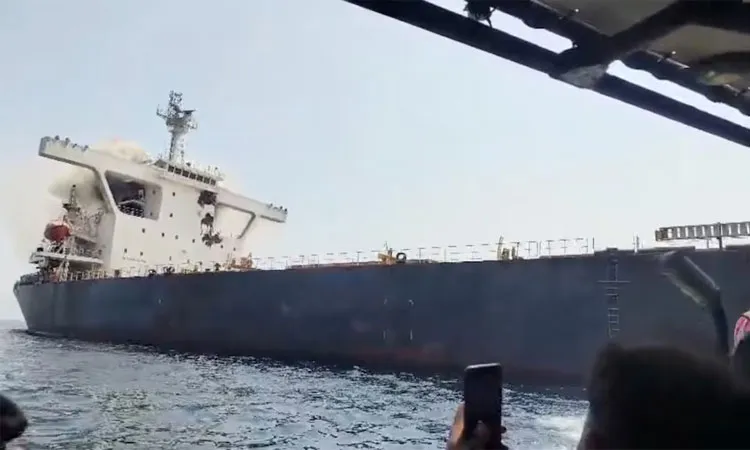
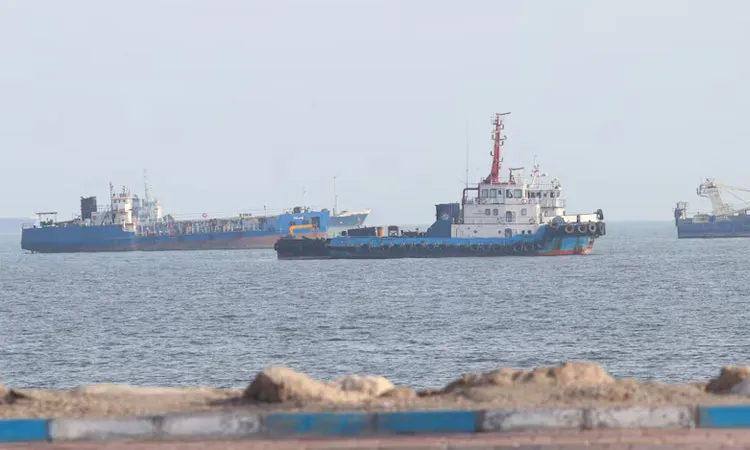
The latest developments further raise tensions around the Strait of Hormuz, a strategically important maritime passage through which a significant share of global energy supplies passes.
Any escalation involving military operations or disruption of shipping in the area could have wider implications for global oil markets, regional security and international trade.