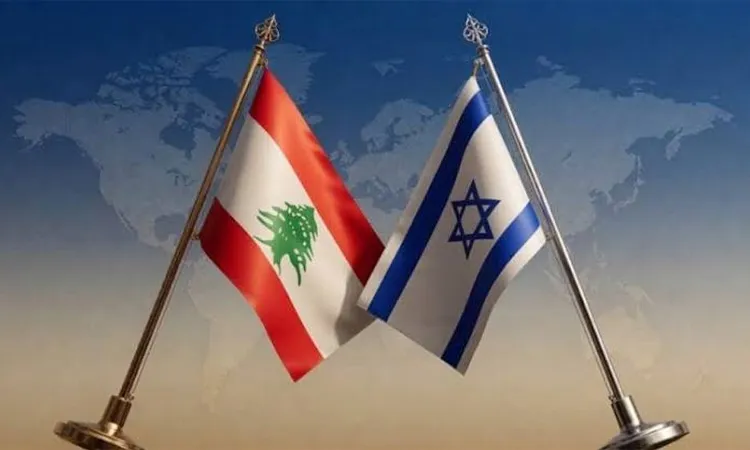
Israel and Lebanon have signed a US-brokered "framework agreement" in Washington after several days of negotiations. Announcing the deal, US Secretary of State Marco Rubio said it would lay the foundation for long-term peace and security between the two countries.
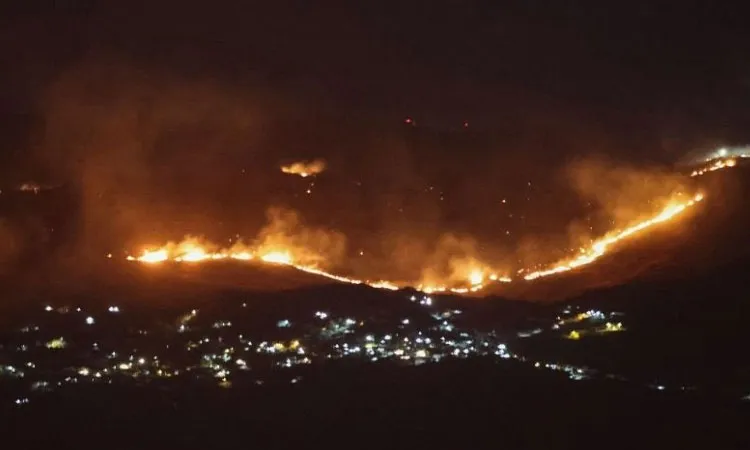
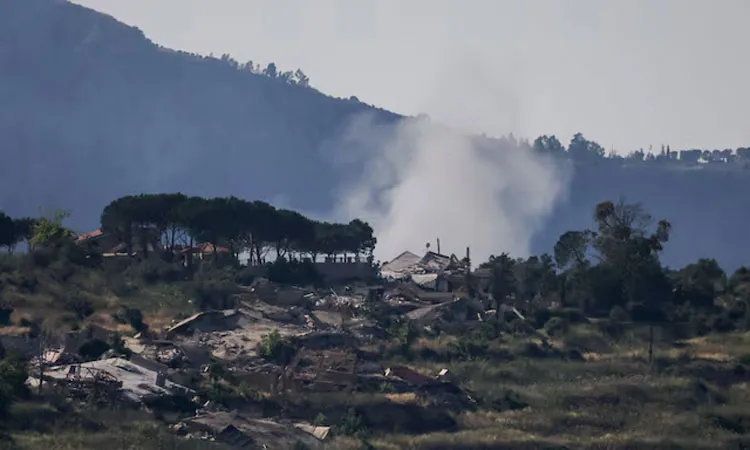
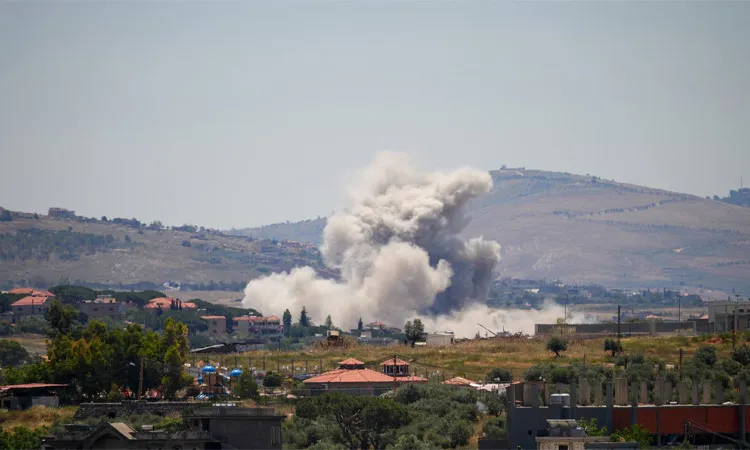
Despite the agreement, limited clashes between Israeli forces and the Iran-backed Hezbollah group continue in southern Lebanon. Although a ceasefire remains in place, tensions have not fully eased.
Hezbollah was not a party to the agreement signed on Friday (June 26). As a result, it remains unclear whether the group will withdraw its fighters from areas south of the Litani River, a key provision linked to security arrangements.
The United States had expressed concern that continued fighting between Israel and Hezbollah could undermine broader diplomatic efforts in the region, including negotiations involving Iran. The agreement includes a commitment to end hostilities on all fronts, including Lebanon.
The 14-point framework recognizes the right of Israel and Lebanon to peaceful coexistence and affirms their commitment to living as secure and sovereign neighboring states.
Both countries agreed to stop hostile actions against each other in international political and legal forums. They also pledged to cooperate on prisoner releases and the return of the remains of those killed in the conflict.
The agreement also states that each country retains the right to self-defense when necessary.
Under the deal, the Lebanese Armed Forces (LAF) are expected to establish state control across the country. Before that can happen, non-state armed groups are expected to be disarmed and their military infrastructure dismantled.
Lebanon has sought support from the United States and Arab countries to help implement these commitments. A US-supported military coordination group will also be established to oversee implementation.
Although the agreement marks a significant diplomatic step, there has been little immediate change on the ground.
Israel and Hezbollah continue to exchange attacks along the border while accusing each other of violating the ceasefire. However, the intensity of the fighting has decreased in recent days.
Lebanese President Joseph Aoun described the agreement as an important first step toward restoring the country's sovereignty.
Israeli Prime Minister Benjamin Netanyahu said Israeli troops would remain in southern Lebanon until Hezbollah is disarmed. Israeli forces currently control about 5 percent of Lebanese territory.
Netanyahu also said the Lebanese army would gradually assume security responsibilities in two areas on a trial basis—one south of the Litani River and another farther north.
According to Lebanon's Ministry of Health, at least 4,192 people have been killed since the current conflict began. More than 11,600 people have been injured, and over 1.2 million people have been displaced.
Israeli authorities say 36 Israeli soldiers and four civilians have been killed in cross-border fighting.