Myanmar’s military-backed government says more than 300,000 Rohingya currently living in Bangladesh have been identified as former residents of western Rakhine state and could be allowed to return if security conditions improve.
The announcement came Saturday, as the Rohingya refugee crisis entered its ninth year. In a statement, Myanmar’s Foreign Ministry said it had verified 426,545 people from a list of 828,824 names provided by Bangladesh. Of those, 308,797 were identified as former residents of Rakhine.
Myanmar said it could not verify the information of another 113,507 people, while 4,241 were allegedly identified as being involved in what the government described as “terrorist” activities.
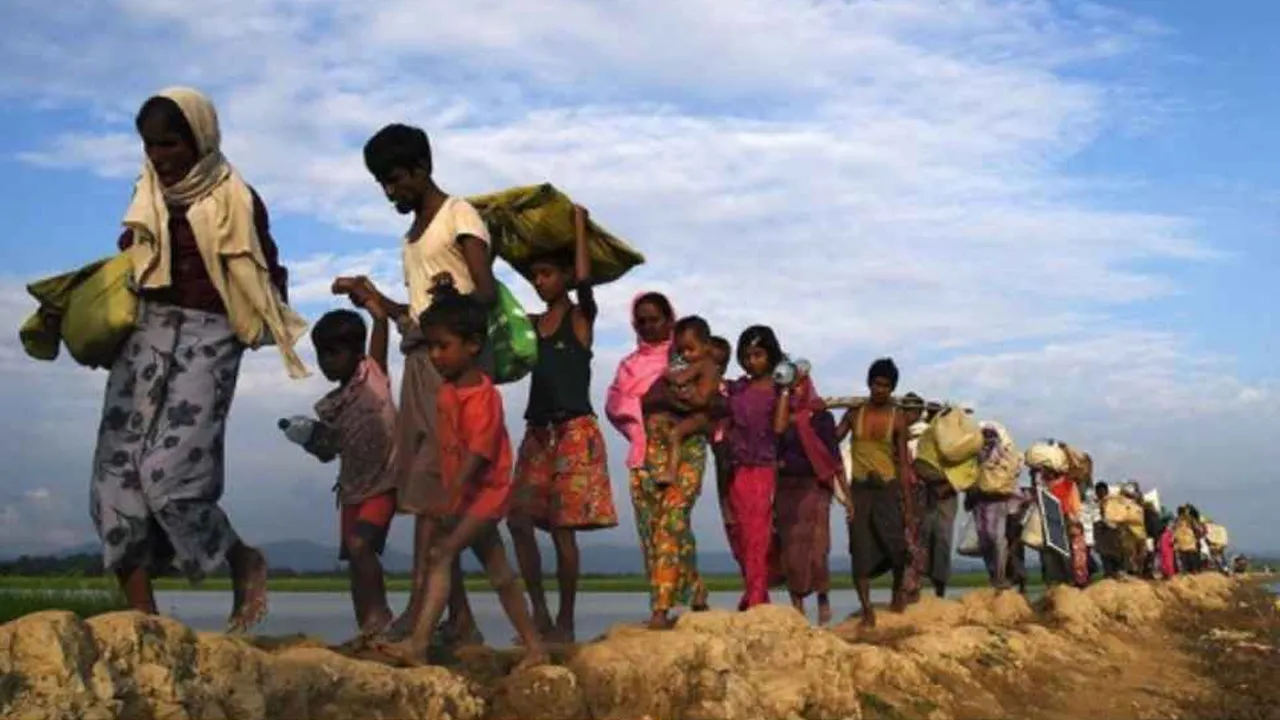
The Rohingya crisis escalated in August 2017, when Myanmar’s military launched a brutal crackdown in Rakhine state following attacks by a Rohingya insurgent group. More than 700,000 Rohingya fled to Bangladesh, joining hundreds of thousands who had already escaped previous waves of violence.
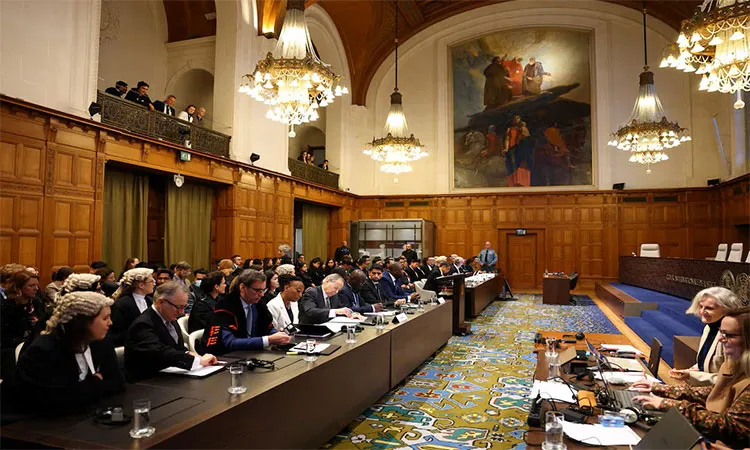
The United Nations and other international organizations have accused Myanmar’s military of carrying out ethnic cleansing and genocide during the 2017 crackdown. Myanmar has consistently denied the allegations and does not recognize the Rohingya as one of the country’s officially recognized ethnic groups, instead often referring to them as “Bengali.”
Myanmar’s Foreign Ministry said it would continue working with Bangladesh to repatriate verified former residents once security conditions in Rakhine become sufficiently stable.
However, the prospects for a safe and large-scale return remain uncertain. A 2018 repatriation agreement between Bangladesh and Myanmar failed to produce a sustained return program. The situation deteriorated further after Myanmar’s military seized power in 2021, triggering widespread armed conflict.
Fighting intensified again in Rakhine in 2023 between the Myanmar military and the Arakan Army, which has since taken control of large parts of the state. The renewed conflict has forced more Rohingya to flee.
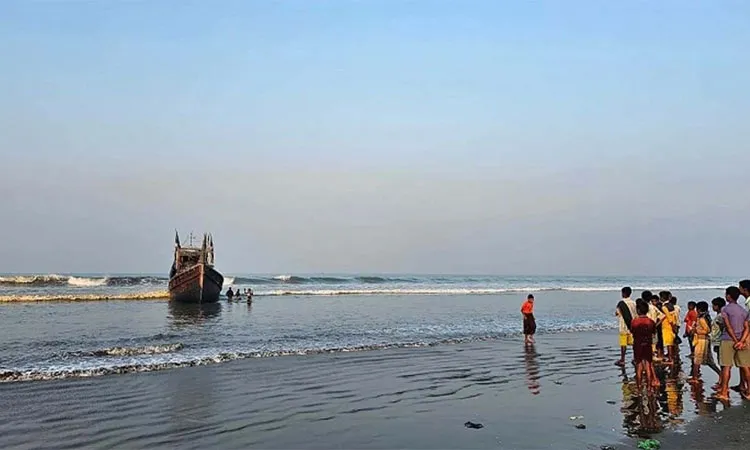
Meanwhile, conditions in Bangladesh’s refugee camps have become increasingly difficult as international aid has declined. With little prospect of a safe return home, some Rohingya have also attempted dangerous sea journeys toward countries such as Malaysia and Indonesia.
The latest announcement from Myanmar could revive discussions about repatriation, but when and whether the more than 300,000 verified Rohingya can actually return safely remains unclear.