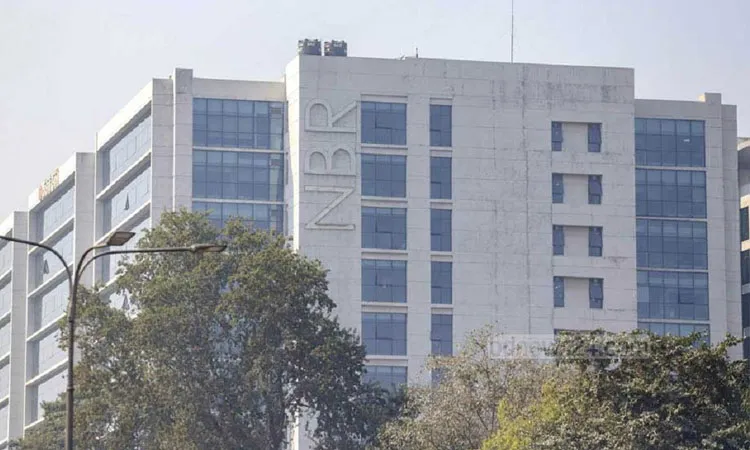
The implementation of Bangladesh’s much-anticipated 9th National Pay Scale has faced fresh uncertainty, even as the proposed salary structure had reached its final stage.
The process is being reviewed after officials of the Judicial Service demanded full allowances under the new pay structure. The Prime Minister’s Office has reportedly called for a further review before the government issues the final gazette.
To address the issue, the Finance Division is preparing to re-examine recommendations from the Bangladesh Judicial Service Pay Commission-2025.
According to Finance Ministry sources, Prime Minister Tarique Rahman recently discussed the proposed pay structure with Finance Minister Amir Khosru Mahmud Chowdhury. The prime minister reportedly stressed that the new system must maintain fairness among different government services while also considering its impact on the national budget.
The government is also weighing the country’s current economic conditions and high inflation. Rising prices of essential goods and the growing cost of living have raised questions about whether implementation of the new pay scale should be delayed somewhat.
A seven-member high-level committee led by the finance minister is expected to meet soon to review judges’ salaries and other financial benefits. The committee will examine the Judicial Pay Commission’s recommendations and estimate the additional financial burden on the government.
Meanwhile, a secretary-level committee led by Cabinet Secretary Nasimul Gani reportedly finalized a draft by combining recommendations from the armed forces, the National Pay Commission and the Judicial Pay Commission.
Under the draft, basic salaries could increase by roughly 100% to 140%, depending on the grade, with lower-paid employees expected to receive relatively larger increases.
The proposal also suggests implementing the new structure in two phases—basic salary increases in the first year, followed by allowances in subsequent years.
The latest review means government employees may have to wait longer for a final decision, as the government balances demands for higher salaries with inflation, budget pressures and fairness across public services.