UK Prime Minister Keir Starmer has officially announced his resignation as the country’s leader and head of the Labour Party, stepping down two years after his election victory.
In an emotional address on Monday, Starmer stated he accepted "with good grace" that he is no longer the best person to lead the Labour Party into the next general election. Emphasizing that his decision was made to put the country first, he confirmed he has already informed the King of his departure.
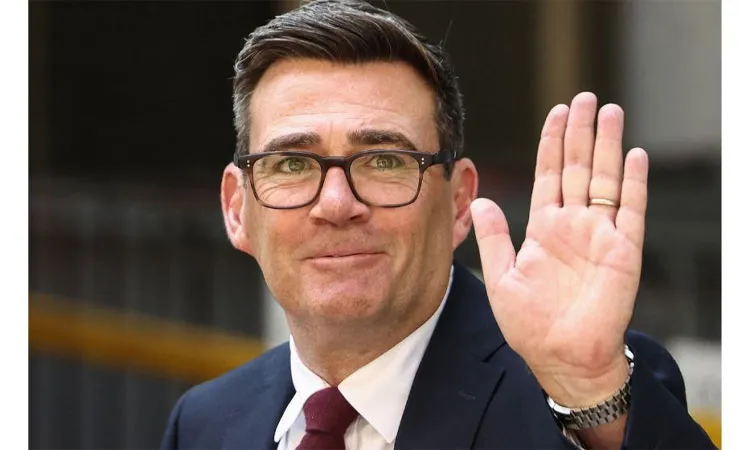
Starmer will remain in office to ensure an orderly transition. The Labour Party will open leadership nominations on July 9. If prominent figure Andy Burnham runs unopposed, he could assume the role of Prime Minister around July 17. Should a leadership contest occur, a new leader will be determined by the end of August, ahead of Parliament's return in September.
Defending his two-year legacy, Starmer highlighted achievements such as robust economic growth, expanded worker rights, increased defence spending, and the restoration of Britain's global reputation.
The resignation drew mixed reactions. Attorney General Lord Hermer praised Starmer for putting the country above personal ambition, and Australian Prime Minister Anthony Albanese commended his global contributions. Meanwhile, Reform UK leader Nigel Farage immediately called for a general election, arguing that an unelected successor like Burnham would lack a "meaningful mandate" to lead the public.
Starmer concluded his address by expressing his desire to step back from the "biggest job in the country" to spend more time fulfilling his most important roles: a father and a husband.