Sri Lanka has implemented a mandatory public holiday every Wednesday to combat an escalating energy crisis. This move effectively creates a three-day weekly break as the island nation joins other Asian countries in taking drastic steps to manage fuel shortages.
According to the BBC, the Sri Lankan government declared the Wednesday holiday to mitigate potential energy deficits. During an emergency meeting on Monday (March 16), President Anura Kumara Dissanayake stated, "We have to prepare for the worst, but we hope for the best."
The measures follow disruptions in oil supplies through the Strait of Hormuz—a vital artery for nearly 90% of Asia’s gas and oil imports. Across the continent, governments are tightening belts:
Thailand The government has urged citizens to wear short-sleeved shirts instead of formal suits to lower air conditioning dependence.
Myanmar Authorities have introduced an odd-even license plate system, restricting private vehicle use to alternating days.
Bangladesh Universities have advanced Ramadan holidays, and the government has implemented scheduled load-shedding to conserve power.
Philippines President Ferdinand Marcos Jr. has mandated one day of remote work for government offices and banned non-essential official travel.
Vietnam The government is promoting carpooling, public transport, and cycling to reduce private vehicle reliance.
Sri Lanka’s new four-day work week applies to schools and universities, though essential services like healthcare and immigration remain operational. Officials selected Wednesday as the holiday to prevent three consecutive days of closure, ensuring administrative continuity.
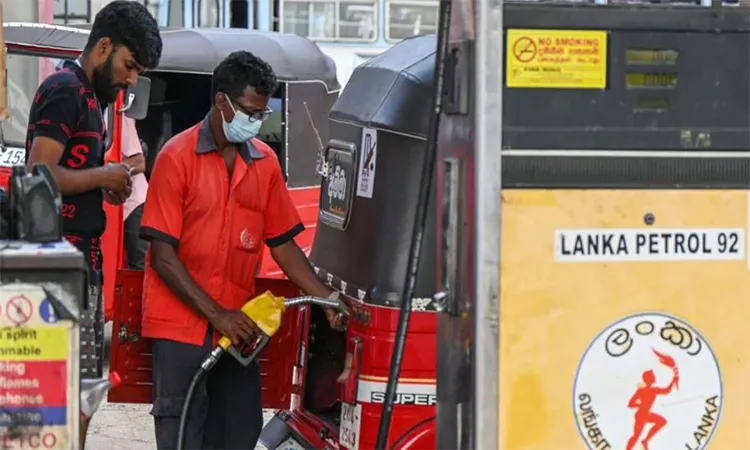
Furthermore, citizens must now use a National Fuel Pass for rationing. Current quotas are set at 15 liters for cars and 5 liters for motorcycles—levels that have sparked public frustration. This rationing system mirrors the 2022 economic crisis when foreign exchange reserves hit record lows.
With global oil prices hovering near $100 per barrel, regional stability remains a primary concern for Asian economies.