- National
- Bangladesh
- Business
- International
- Sports
- Entertainment
- Politics
- Technology
- Life Style
- Religion
- Opinion
- FIFA World Cup 2026
Thursday, 11 June 2026

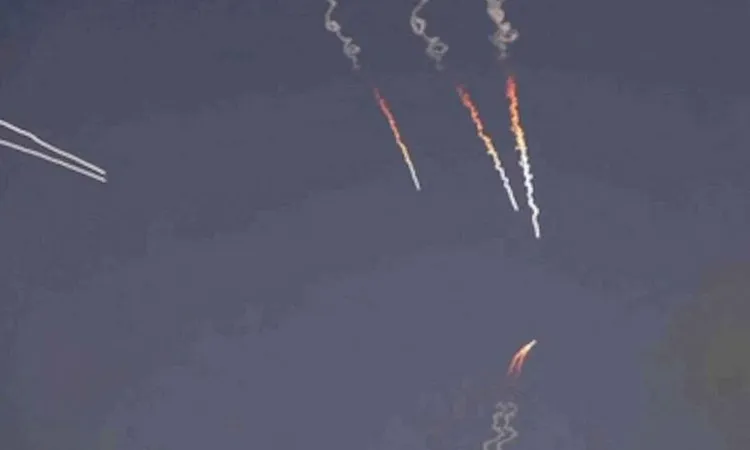
Iran has launched retaliatory missile and drone attacks targeting US military bases in Bahrain and Kuwait, following a second consecutive day of "self-defense" airstrikes by American forces in southern Iran.
The sharp escalation has effectively shattered a fragile ceasefire brokered in April, pushing the Middle East deeper into conflict and triggering a sudden spike in global energy markets. Tit-for-Tat Escalation
The latest friction began after a US military helicopter was downed earlier this week, an incident Washington blamed on Tehran. US President Donald Trump warned that Iran would "pay the price" for delaying peace negotiations, authorizing US Central Command (CENTCOM) to deploy precision strikes against Iranian radar sites, air defenses, and communication hubs near the strategic Strait of Hormuz.
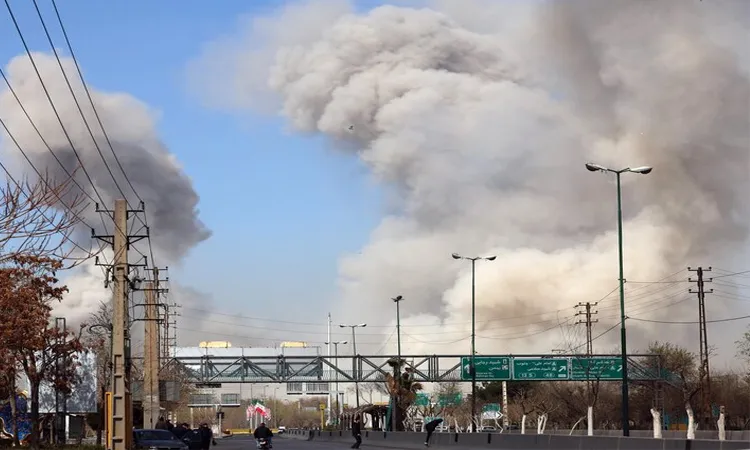
In response, Iran’s Islamic Revolutionary Guards Corps (IRGC) claimed it hit 18 targets across US installations in Kuwait and Bahrain, including the Ali Al-Salem and Sheikh Isa airbases. While Iranian state media claimed major damage, US officials stated that nearly all incoming projectiles were intercepted, reporting no American casualties. Shipping and Oil Markets Disrupted
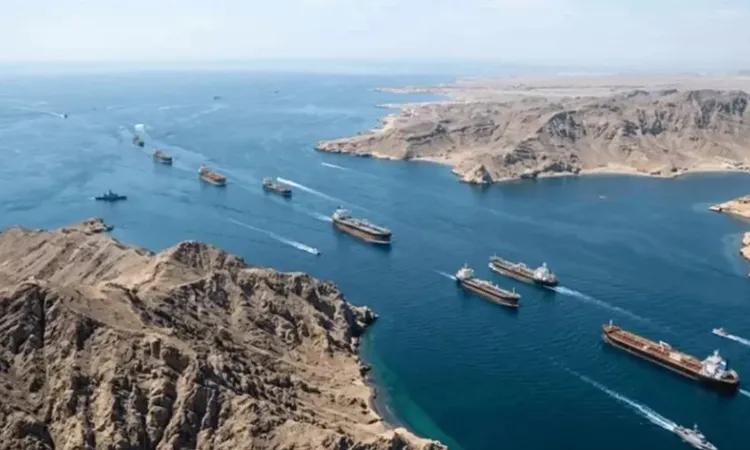
Compounding regional anxiety, Iranian state media announced that the Strait of Hormuz—the world's most critical oil transit chokepoint—is "completely closed to all vessels."
While CENTCOM quickly disputed the claim, insisting that commercial shipping continues safely, fear of prolonged disruption sent energy markets into a tailspin. Brent crude oil jumped more than 2%, surging past $95 a barrel during Asian trading hours.
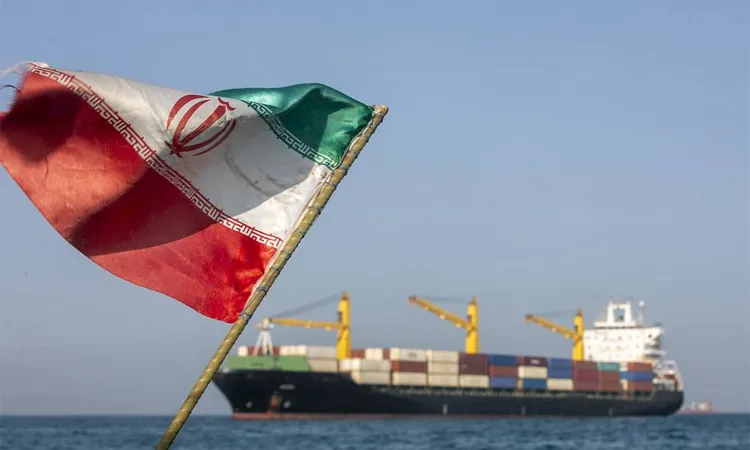
The IRGC also claimed to have struck two oil tankers passing through the strait, though independent maritime agencies have yet to confirm the attacks. Stalled Diplomacy
The initial two-week ceasefire signed in April had managed to prevent full-scale war despite occasional skirmishes. However, formal peace talks have completely stalled.
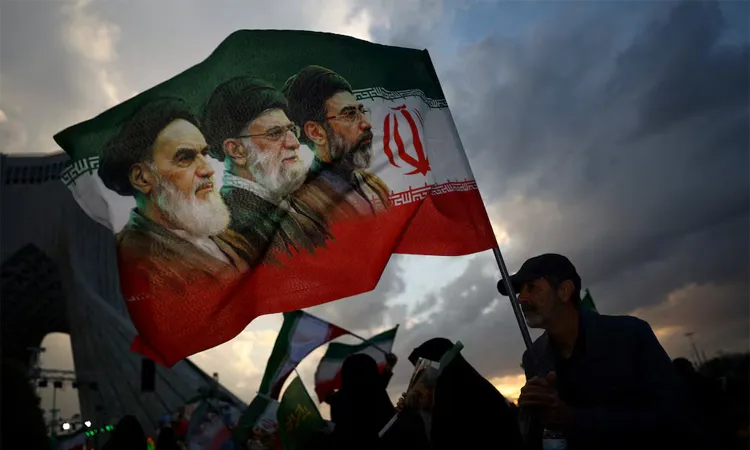
US Defense Secretary Pete Hegseth defended the renewed military campaign, stating the US would continue to "negotiate with bombs" if Tehran refuses a permanent settlement. Meanwhile, Iranian President Masoud Pezeshkian remained defiant, stating Iran would not bow to external pressure or threats.
Condemning the rapid descent into active warfare, UN Secretary-General António Guterres urged an immediate halt to hostilities.
"The Middle East is being pulled deeper into crisis," Guterres warned, labeling the current situation a highly volatile "lesser-fire" that risks exploding into a full-scale regional war. "All parties must work towards a diplomatic settlement. No more excuses."