- National
- Bangladesh
- Business
- International
- Sports
- Entertainment
- Politics
- Technology
- Life Style
- Religion
- Opinion
- FIFA World Cup 2026
Saturday, 20 June 2026

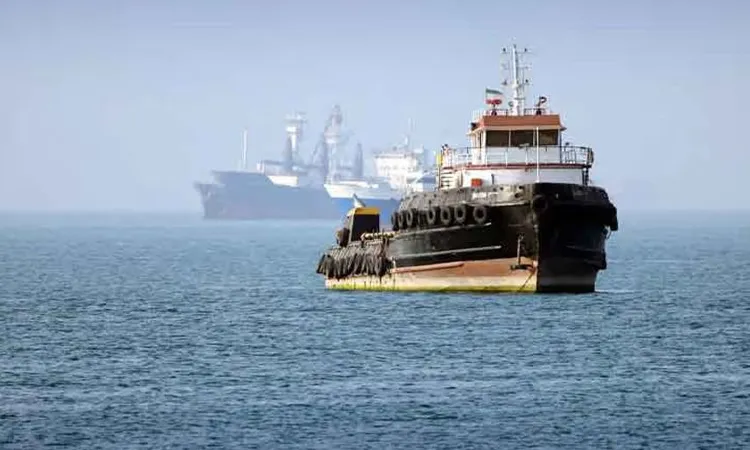
Iran’s Supreme National Security Council has announced it will waive all transit fees for commercial ships passing through the Strait of Hormuz for the next 60 days. Tehran implemented this measure as part of the Islamabad Memorandum of Understanding (MoU) recently signed with the United States.
This move is a major step toward restoring normal maritime traffic in one of the world's most critical waterways. Months of US-Iran tensions had previously restricted the strait, severely disrupting global energy markets and international shipping.
In a statement released on Thursday (June 18) evening, the council confirmed the Iranian government will fully absorb the operational costs normally charged for using the strait. "No fees will be charged from applicants for the next 60 days," the statement read.
The announcement comes after the Islamabad MoU, signed electronically by US President Donald Trump and Iranian President Masoud Pezeshkian on Wednesday (June 17), officially took effect. Prior Approval Required
Despite the fee waiver, all commercial vessels must still apply for clearance through the Persian Gulf Waterway Management Authority before entering the strait.
The council has ordered the authority to fast-track these applications in accordance with the MoU. Upon approval, ships will receive permits containing specific schedules and designated routes, which they must strictly follow. Security Measures in Place
Iranian authorities emphasized that due to lingering security risks in the maritime corridor, traffic must remain tightly controlled.
Officials stated that adhering to assigned routes and times will ensure safe navigation, prevent maritime accidents, and help gradually return shipping volume in the Strait of Hormuz to normal pre-conflict levels.