
- National
- Bangladesh
- Business
- International
- Sports
- Entertainment
- Politics
- Technology
- Life Style
- Religion
- Opinion
- FIFA World Cup 2026
Friday, 19 June 2026

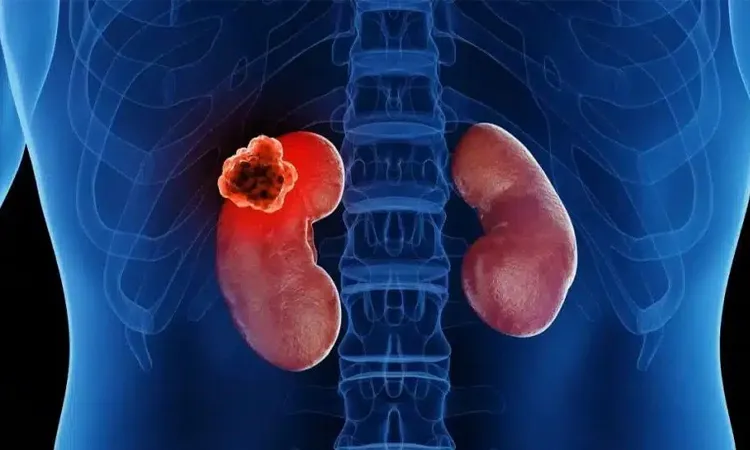
Despite being one of the 10 most common cancers globally, kidney cancer remains widely misunderstood. Many assume that all kidney tumors are identical, that the disease is strictly hereditary, or that a diagnosis means losing the entire organ.
However, oncologists note that the landscape of diagnosis and treatment has transformed drastically over the last two decades.
Dr. Amit Bansal, Senior Consultant of Uro-Oncology at Fortis Hospital, explains: "It is vital to understand that kidney cancer is complex and multi-typed, rather than a single disease. When detected early, highly effective treatment is possible in most cases."
Here are the facts behind seven major misconceptions about kidney cancer:
Fact: Kidney cancer comprises several distinct subtypes. Renal Cell Carcinoma (RCC) accounts for roughly 90% of adult cases. Among these, clear cell RCC is the most prevalent, making up 70% to 75% of diagnoses. Each subtype behaves differently and requires a tailored treatment approach.
Fact: Certain demographics face a higher risk. The disease is most frequently diagnosed in individuals aged 55 to 74, and it affects men significantly more often than women. Major risk factors include smoking, obesity, high blood pressure, chronic kidney disease, prolonged dialysis, and specific inherited genetic syndromes.
Fact: Most cases are not inherited. Medical data shows that only 5% to 10% of all cancers are hereditary. For kidney cancer specifically, the genetic link is even lower. Most patients develop the disease due to spontaneous DNA mutations acquired during their lifetime.
Fact: Unlike breast cancer (mammograms) or prostate cancer (PSA tests), there is no routine screening protocol for kidney cancer in healthy, asymptomatic individuals. Doctors only recommend targeted screening for families with known hereditary cancer syndromes. Most kidney tumors are discovered incidentally during ultrasounds or CT scans performed for unrelated health issues.
Fact: Modern surgical techniques are highly precise. While removing the whole organ (radical nephrectomy) was once standard, urologists now prioritize removing only the tumor while preserving the healthy tissue (partial nephrectomy) whenever possible. Additionally, advanced options like thermal ablation (destroying tumors with heat or cold), immunotherapy, and targeted therapies are widely accessible.
Fact: These are entirely different medical conditions. Chronic kidney disease (CKD) occurs when the kidneys gradually lose their filtering capacity, usually due to long-term diabetes or hypertension. Kidney cancer is the uncontrolled growth of abnormal cells forming a tumor. However, having CKD does slightly elevate a person's risk of developing kidney cancer.
Fact: Cancer is not an infectious disease. It cannot spread from person to person through touch, shared food, or physical proximity. It originates entirely from cellular and DNA alterations within an individual's body.
With continuous advancements in oncology, early detection and survival rates for kidney cancer have improved significantly. Staying informed about risk factors, maintaining a healthy lifestyle, and seeking timely specialist advice remain the best defenses.
