Bangladesh is going through a sensitive time where democracy, state stability, and economic future are all deeply intertwined. Over the years, we have seen how political conflict, mistrust, and weak institutions have hindered our progress. Experience shows that when political competition is reduced, the economy suffers, people’s rights are curtailed, and young people turn away from politics. The upcoming national elections are therefore an opportunity for Bangladesh to set a new course, to build inclusive and accountable politics.
The three pillars of democracy are freedom of expression, freedom of political action, and competitive elections. Unfortunately, we need a renewed commitment to all three. People want a political environment where they can speak without fear, opposition parties can carry out their activities, and elections truly reflect the will of the voters. Only transparent and competitive elections can restore public trust and bring politics back to the center of the country.
Fair elections mean equal opportunities for all political parties. Whether a party is popular or controversial–its future will be determined by the people, not by any ban. International experience shows that banning political parties never brings peace or stability in the long run. In Germany, extremist parties are banned, but ideology has survived. In Turkey, party bans have increased polarization. In Venezuela and Russia, party bans have resulted in further erosion of democracy. These examples show that political bans actually exacerbate problems–not solve them.
In Bangladesh, the solution is not sanctions; it is political. Confronting the adversary requires better policies, stronger public support, and transparent leadership. A strong opposition party increases government accountability, encourages policy-based debate, and consolidates democracy.
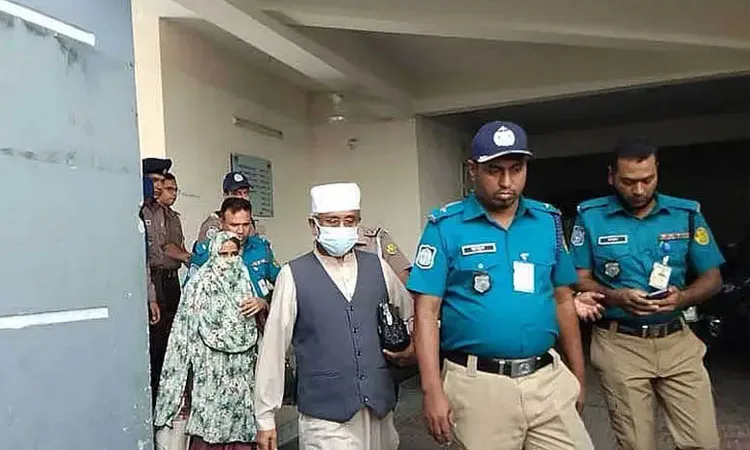
Making state institutions independent and impartial is the demand of the hour. Democracy cannot survive if the administration, election commission, law enforcement, and human rights protection institutions are not independent. The people must believe that these institutions work for the people–not for the interests of any party. Impartial law enforcement, fair elections, and protection of human rights are the foundations of building an accountable state.
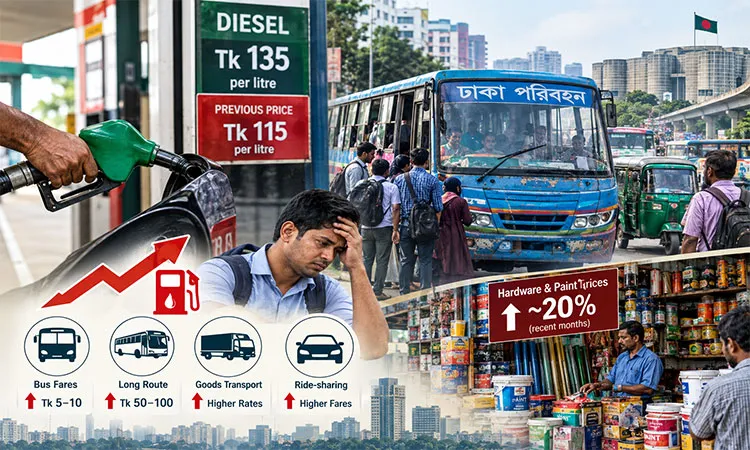
Political openness is even more important in times of economic stress. Inflation, the dollar crisis, energy problems, and global uncertainty–all require stable politics. Repression weakens economies. Investment, trade, and international confidence require a peaceful and predictable political environment. Countries that have ensured political stability have achieved rapid economic progress–this is a global reality.
The most important thing now is to give importance to the participation of the youth. Bangladesh's great strength is its young population. But political violence, fear and an insecure environment are holding them back. If a safe and principled political environment can be created, the young generation will join politics, bring new ideas and take the country forward.
It is now essential to create a minimum national consensus in Bangladeshi politics. There will be differences of opinion–that is politics. But let there be no doubt about the basic rules of democracy. There needs to be a fundamental agreement among political parties on these four issues: peaceful competition, freedom of expression, participatory politics, and independent institutions.
Constructive political settlement is not a luxury; it is the greatest need of our time. Elections that are peaceful, institutions that are credible, citizens that can speak with dignity–this is the foundation of a future-oriented state. Bangladesh has huge potential–economy, climate adaptation, human resources, technology–we can move forward in all areas. But for this, a stable, inclusive, and accountable political system is needed first.
May the Bangladesh of the future be one of dialogue, participation and tolerance. May our journey be one of cooperation, not division. Respect for differences–this should be the beginning of a new political culture. Constructive political settlement is not just our hope–this should be our firm commitment to the future.