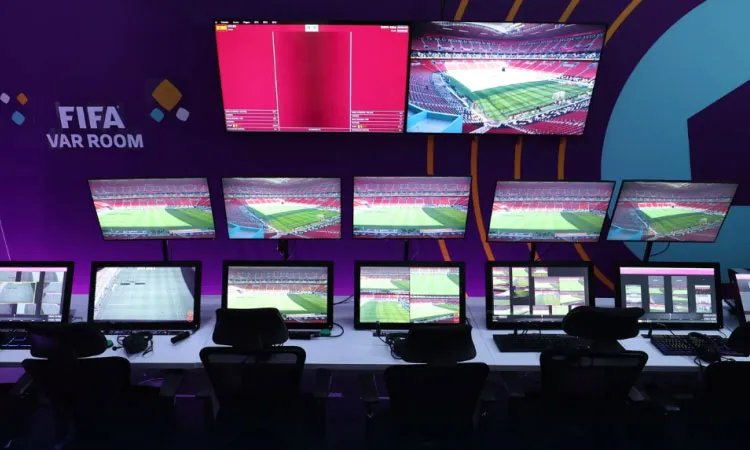
FIFA President Gianni Infantino’s push to integrate advanced refereeing technology at the 2026 World Cup has sparked widespread controversy rather than ending on-field disputes. The expanded use of the Video Assistant Referee (VAR) system and in-ball sensors has triggered accusations of overreach and inconsistency from coaches, players and fans.
Originally introduced to fix "clear and obvious" errors, VAR’s scope was significantly broadened for this 104-match tournament. FIFA referees' chief Pierluigi Collina defended the system insisting that VAR can and should intervene on any missed foul regardless of when it occurs in the buildup.
However the teams remain fiercely critical. Egypt’s coach condemned the officiating after a disallowed goal against Argentina while England manager Thomas Tuchel slammed the referees as "not good enough" following disputed calls against Mexico.
The technology's extreme precision has also drawn ire. Croatia’s dramatic stoppage-time equalizer against Portugal was ruled out after a ball sensor detected a microscopic touch possibly from a teammate's hair creating an offside offense. Croatian captain Luka Modric criticized the system’s selective use arguing that VAR should only intervene for glaring mistakes, not extreme technicalities.
Strict micro-refereeing has also led to a spike in ejections, with red cards tripling compared to recent tournaments. VAR interventions caused the dismissals of England’s Jarell Quansah and US striker Folarin Balogun. Balogun's red card even prompted US President Donald Trump to contact Infantino to protest the "unfair" decision.
While AI and camera networks offer unprecedented data experts and fans argue that relentless micro-refereeing is ruining the spirit of the game.