
- National
- Bangladesh
- Business
- International
- Sports
- Entertainment
- Politics
- Technology
- Life Style
- Religion
- Opinion
- FIFA World Cup 2026
Wednesday, 29 July 2026

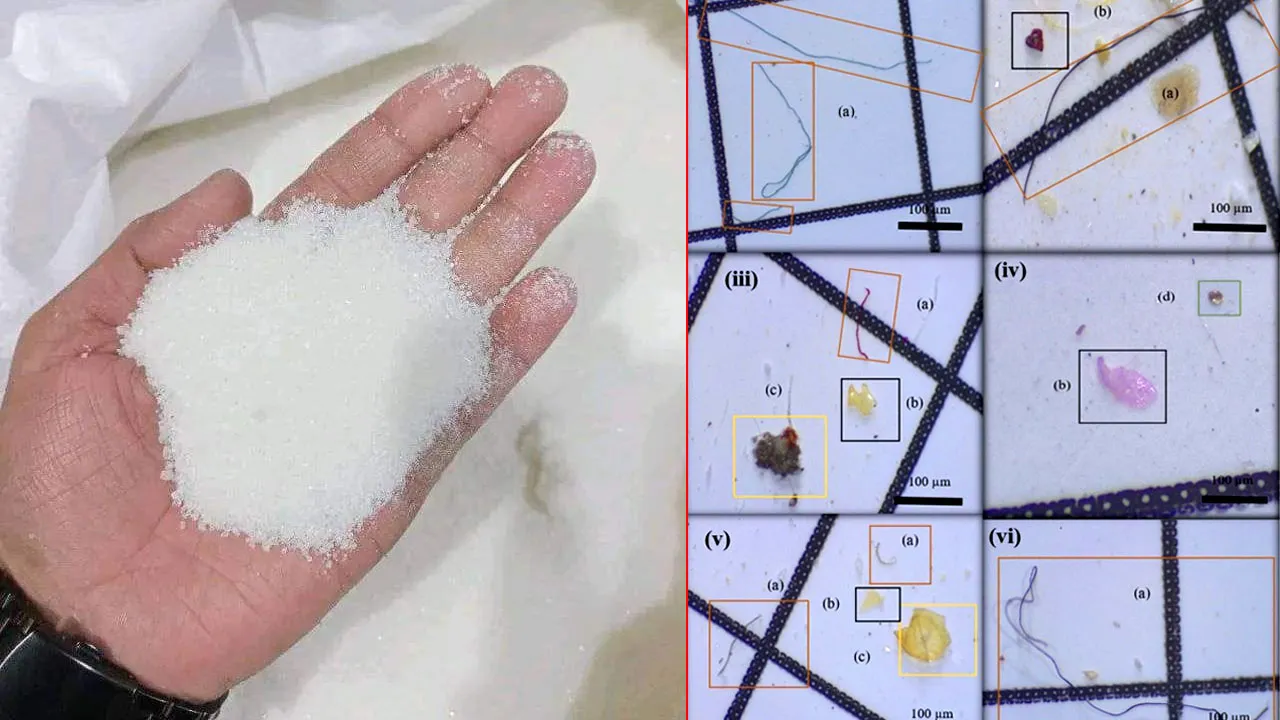
A new study has found widespread microplastic contamination in sugar sold in Bangladesh, raising fresh concerns about food safety and long-term health risks.
Published in the Journal of Food Composition and Analysis, the research analyzed seven commercially available sugar products—both branded and unpackaged—collected from retail markets in Dhaka. The study was conducted by researchers Sadia Afrin, Nayan Hossain, and Mostafizur Rahman.
Researchers detected microplastics in 95% of the sugar samples tested. The contamination ranged from 210 to 508 microplastic particles per kilogram, suggesting that consumers may be unknowingly ingesting plastic particles through their daily diets.
The study found that branded sugar contained an average of 322 microplastic particles per kilogram, while unpackaged sugar averaged 403 particles per kilogram. Although unpackaged sugar showed higher contamination, the difference between the two groups was not statistically significant.
The identified particles ranged in size from 12 micrometers to 3.19 millimeters. About 63% were fibers, 21% were fragments, 11% were films, and 5% were spherical particles.
Researchers said the contamination likely originates from plastic packaging, food processing equipment, transportation, storage, and environmental plastic pollution.
Laboratory analysis identified several common plastic polymers, including acrylonitrile butadiene styrene (ABS), polyvinyl chloride (PVC), polyethylene terephthalate (PET), polytetrafluoroethylene (PTFE), high-density polyethylene (HDPE), and nylon.
The study also assessed potential human exposure. Researchers estimated that adults could ingest an average of 0.2178 microplastic particles per kilogram of body weight per day from sugar consumption alone.
While the estimated exposure from sugar is relatively low, the researchers said sugar represents a continuous source of microplastic intake, highlighting the need for further research into the long-term health effects.
The authors also noted that plastic-based filters, pipes, conveyor belts, storage bags, and packaging materials used during sugar production and refining may contribute to contamination. Airborne microplastics introduced during processing, storage, and distribution could also play a role.
The researchers called for routine monitoring of microplastics in Bangladesh's food supply, stronger food processing standards, and broader research to better understand the scale of contamination and its potential impact on public health.
