Despite earlier pledges of austerity, operating expenses in the upcoming 2026-27 national budget are set to surge. The last-minute inclusion of the Ninth National Pay Scale has added an estimated Tk 8,000 crore to operating costs, pushing the total to a record Tk 6,38,000 crore.
This massive sum is more than double the Tk 3 lakh crore allocated for the Annual Development Program (ADP). Experts warn that shrinking development funds to cover rising administrative costs could fuel inflation and stall economic growth unless paired with deep structural reforms.
Last-Minute Budget Shifts During early budget planning in May, operating expenses were initially capped at Tk 6,30,000 crore alongside the Tk 3 lakh crore ADP. However, the decision to roll out the first phase of the new pay scale—which will ultimately require an additional Tk 37,000 crore—forced a last-minute addition of Tk 8,000 crore. As a result, the total budget size has swelled to Tk 9,38,000 crore.
Finance officials argue that higher salaries will boost the purchasing power of government employees, potentially stimulating the economy. However, critics caution that rising consumer demand without a matching increase in production will inevitably drive up inflation.
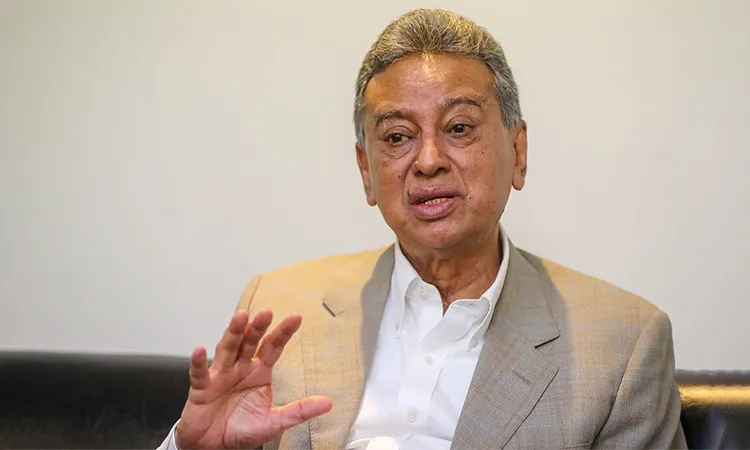
Calls for Accountability and Revenue Growth Former Finance Secretary Mahbub Ahmed told Jugantar that while a salary adjustment was overdue given the rising cost of living, it must be met with better administrative efficiency. "Increasing salaries alone only drains state coffers without delivering better public services," Ahmed noted.
He identified revenue generation as the government's biggest hurdle. Without a significant boost in revenue collection, the government will be forced to borrow more to cover these expenses, which could squeeze credit flow to the private sector.
Development at Risk The ballooning operating budget is squeezing development funds, threatening to slow down new infrastructure projects and state investments. Economists stress that developing nations must balance administrative spending with development initiatives. To achieve this, the government must enforce strict austerity—halting unnecessary foreign trips and luxury vehicle purchases for officials—while reforming subsidies and accelerating ADP implementation.
M. Masrur Riaz, Chairman of Policy Exchange Bangladesh, emphasized the need for efficient spending and structural tax reforms. Speaking to Jugantar, Riaz said, "In our current economic climate, any waste must be strictly curbed. The government must prioritize the quality of its spending over the sheer size of the budget to protect an investment-friendly environment."