Heart disease is a leading global cause of death, yet many dismiss its early symptoms as minor, everyday ailments. While a heart attack often feels sudden, the body typically broadcasts warning signals well in advance.
If you experience a combination of the following symptoms—or if any new, unexplained physical changes occur—seek emergency medical care immediately.
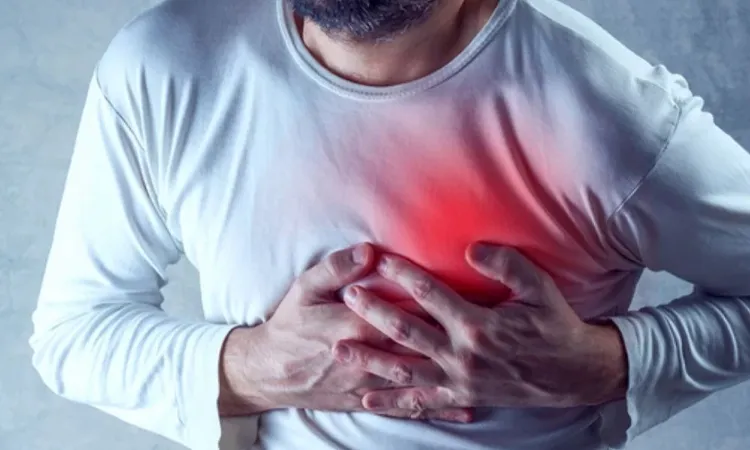
Chest Pressure: A feeling of heaviness, burning, or tightness in the center of the chest that lasts for several minutes.
Radiating Pain: Discomfort that spreads from the chest to the left arm, shoulder, neck, or jaw.
Back Pain: Chest pain that distinctly radiates to the upper back.
Chest Fullness: A persistent feeling of discomfort or fullness, often mistaken for severe indigestion.
Shortness of Breath (Exertion): Struggling to breathe after very light physical effort.
Shortness of Breath (Resting): Difficulty catching your breath even while sitting perfectly still.
Sleep Apnea: Pauses in breathing during sleep, which puts severe strain on the heart.
Unusual Snoring: Loud, abnormal snoring that interrupts your sleep cycle.
Nighttime Waking: Repeatedly waking up gasping or feeling breathless.
Panic-Like Symptoms: Sudden bouts of palpitations and breathlessness that mimic a panic attack.
Irregular Heartbeat: A fluttering sensation indicating a problem with the heart's electrical signals.
Racing Heart: A sudden, pounding heart rate without any physical trigger.
Chronic Fatigue: Profound, unusual weakness that lasts for days without physical exertion.
Dizziness: Sudden lightheadedness or a loss of balance due to a lack of oxygen to the brain.
Fainting: Passing out or sudden syncope caused by a serious arrhythmia.
Cognitive Decline: Unexplained memory loss, confusion, or severe attention deficits due to poor blood flow.
Severe Headaches: Intense, sudden headaches accompanied by dizziness, which can indicate stroke risk.
Cold Sweats: Breaking out in a sudden, cold sweat without any physical exertion or heat.
Excessive Sweating & Shaking: Sudden weakness combined with profuse sweating and trembling.
Nausea and Loss of Appetite: A slowed digestive process due to a weak heart, frequently misdiagnosed as simple gastritis.
Sudden Weight Gain: Unexplained, rapid weight gain caused by the body retaining water.
Swollen Extremities: Noticeable swelling in the feet, ankles, and lower legs.
Frequent Nighttime Urination: The body attempting to excrete accumulated fluid while you lie down at night.
Chronic Cough: A persistent cough that won't go away.
Discolored Phlegm: Coughing up white, pink, or blood-tinged mucus, indicating fluid backing up into the lungs.
Foamy Phlegm: A severe cough producing frothy sputum, a classic sign of heart failure.
Leg Pain While Walking: A cramping pain in the thighs or calves, indicating blocked blood vessels (Peripheral Artery Disease).
Changes in Leg Skin: Cold, shiny skin or sudden hair loss on the legs due to poor circulation.
Gum Disease: Chronic gum inflammation and bleeding, which is heavily linked to systemic inflammation and heart disease.
Sexual Dysfunction: Erectile dysfunction in men, often an early indicator of arterial blockage.