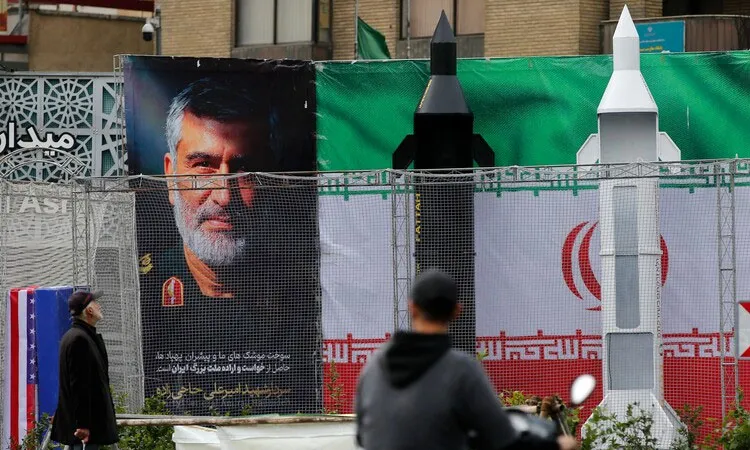
Both sides halt military action to allow ships through the Strait of Hormuz as diplomats prepare for Tuesday's meeting in Doha.
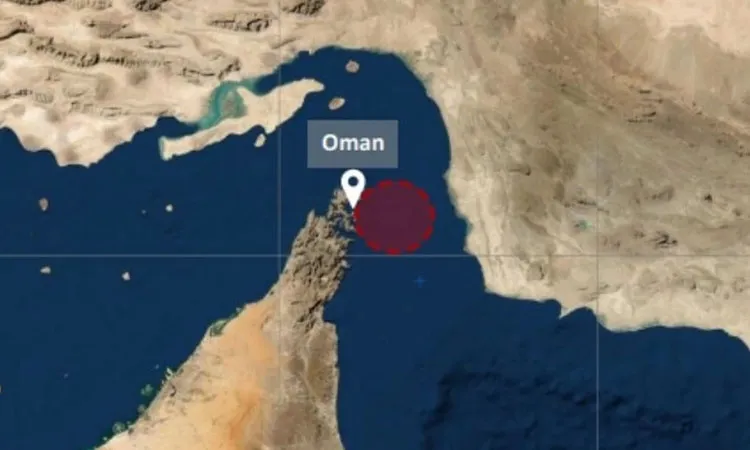
The United States and Iran have agreed to halt military strikes and allow commercial ships to move freely through the Strait of Hormuz, following days of dangerous exchanges in the region. Emergency talks are set for Tuesday in Doha, Qatar, with mediators establishing de-escalation channels to manage any new incidents.
The fragile calm follows a fresh round of fighting triggered when an Iranian projectile struck a cargo vessel in the strait last Thursday. Iran subsequently launched missiles and drones at US military sites in Kuwait and Bahrain. US President Donald Trump warned that Iran could face destruction if the situation escalates further. The two countries signed a 14-point memorandum of understanding on June 17, agreeing to end four months of conflict and reopen the strait a waterway through which roughly one-fifth of the world's oil and liquefied natural gas passes. Closure had pushed oil prices past $100 per barrel and sparked fresh global inflation.
Iranian President Masoud Pezeshkian said $6 billion of the $12 billion in frozen Iranian assets held in Qatar would be released in two instalments as part of the deal. However the US officials said no funds have been released yet. Iran's deputy foreign minister denied that any technical meetings were scheduled this week.
The accord opens a 60-day window for deeper talks on Iran's nuclear programme, though both sides continue to give conflicting accounts of what was agreed. Oil prices steadied near $72 per barrel on news of a return to diplomacy. Tensions remain high elsewhere, with Lebanon's parliament speaker casting doubt on a separate US-brokered Israel-Lebanon ceasefire deal.