A rapidly escalating outbreak of the rare Bundibugyo Ebola strain has triggered a major public health crisis across East Africa, forcing neighboring nations to seal borders and suspend travel.
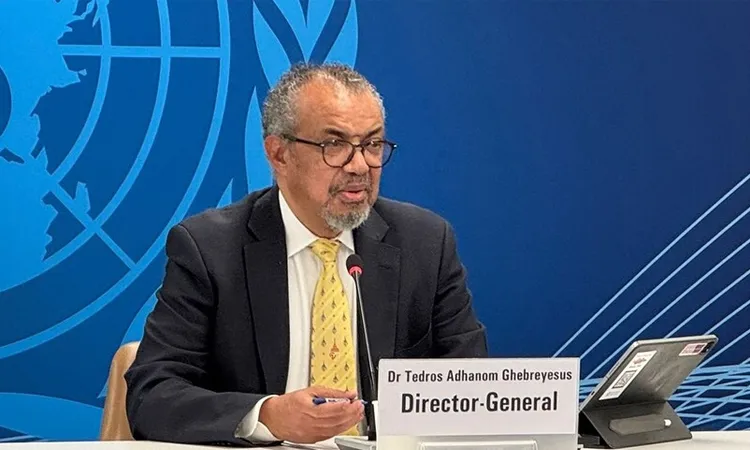
World Health Organization (WHO) Director-General Tedros Adhanom Ghebreyesus confirmed on Monday that the Democratic Republic of the Congo (DRC) has recorded over 900 suspected cases, including 101 laboratory-confirmed infections. The virus has caused 220 suspected deaths in the DRC, with 10 confirmed. The outbreak has also crossed into Uganda, which has reported seven confirmed cases and one fatality.
The WHO declared the crisis a Public Health Emergency of International Concern (PHEIC) on May 17, while the Africa Centres for Disease Control and Prevention issued a parallel continental emergency status.
The Threat of a Vaccine-Free Strain
The current crisis is driven by the rare Bundibugyo strain, first identified in Uganda in 2007. Unlike the more common Zaire strain that caused the devastating West African epidemic a decade ago, there is no licensed vaccine or approved antiviral treatment for the Bundibugyo strain.
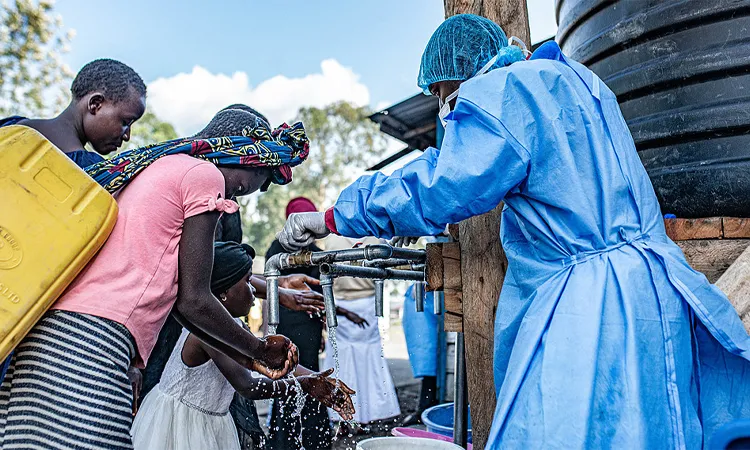
Without medical countermeasures, health workers must rely entirely on traditional, slower containment methods are Strict isolation of patients, Aggressive contact tracing, Enhanced hospital infection controls and Supervised safe burials.
Regional Border Closures and Travel Bans
The virus initially emerged in the porous mining settlements and displacement camps of the DRC's Ituri Province before spreading into North and South Kivu. Due to heavy cross-border trade, nearby nations have swiftly implemented emergency containment protocols:
Uganda: Effective within 48 hours of May 22, Kampala has suspended all flights to and from the DRC, alongside a four-week ban on cross-border public transport, including buses and ferries.
Rwanda: Authorities sealed key border crossings into eastern Congo, particularly around the high-traffic Gisenyi and Rubavu sectors, while ramping up health facility surveillance.
South Sudan & Burundi: Both nations have deployed emergency screening teams to informal border crossing points to monitor high-risk trade routes.
Kenya & Tanzania: Heightened preparedness and screening protocols have been activated at major international airports and land checkpoints.
Security and Deficits Challenge Containment
Public health officials warn that official numbers vastly underrepresent the actual scale of the epidemic. Active armed conflict and severe insecurity in eastern Congo continue to block medical teams from reaching remote areas, causing long reporting delays and leaving hundreds of suspected cases unconfirmed by laboratories.
Historically, since its discovery in 1976, Ebola has claimed over 15,000 lives across Africa. Experts warn that containing this latest wave will depend entirely on how fast regional governments can coordinate their border defenses to outpace the vaccine-resistant strain.