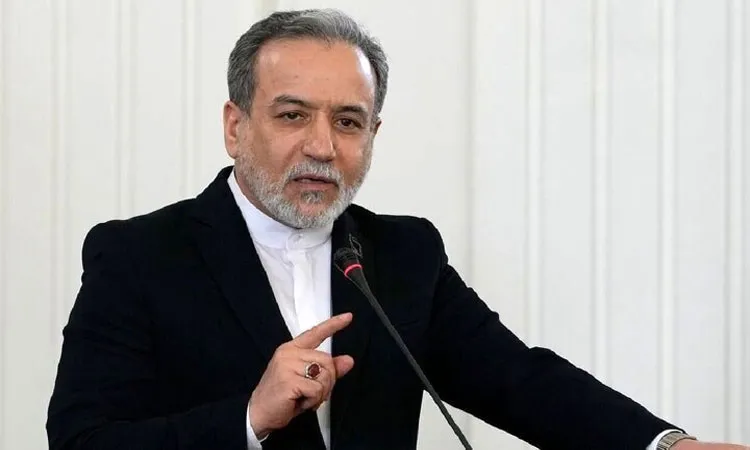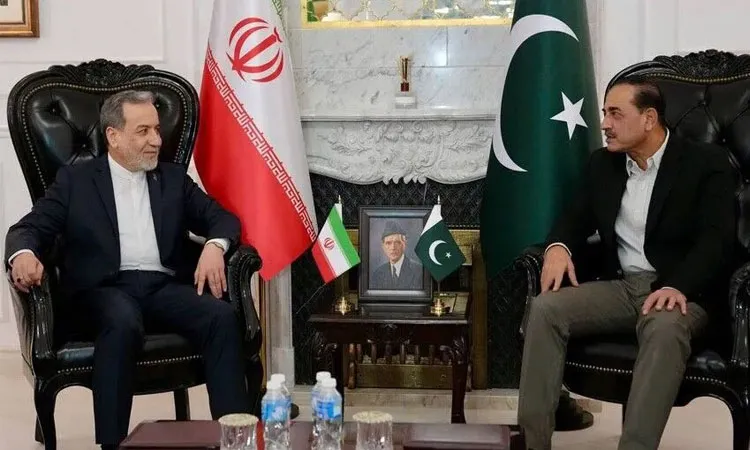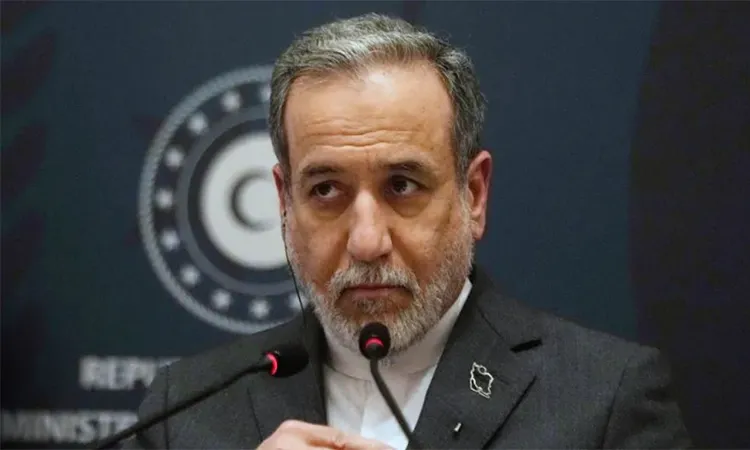
Ahead of high-stakes negotiations with the United States in Pakistan, Iran has signaled a deeply cautious approach. Iranian Foreign Minister Abbas Araghchi informed his German counterpart, Johann Wadephul, that Tehran is entering the talks with "complete distrust" of Washington.
In a phone call, Araghchi attributed this stance to the "bitter experience" of past diplomatic failures. He accused the U.S. of a "betrayal of diplomacy" and repeated breaches of promises, suggesting that Washington’s history makes it impossible for Iran to offer immediate good faith.
Despite these tensions, Araghchi emphasized that Iran remains committed to protecting its national interests and rights with "the highest authority and determination."
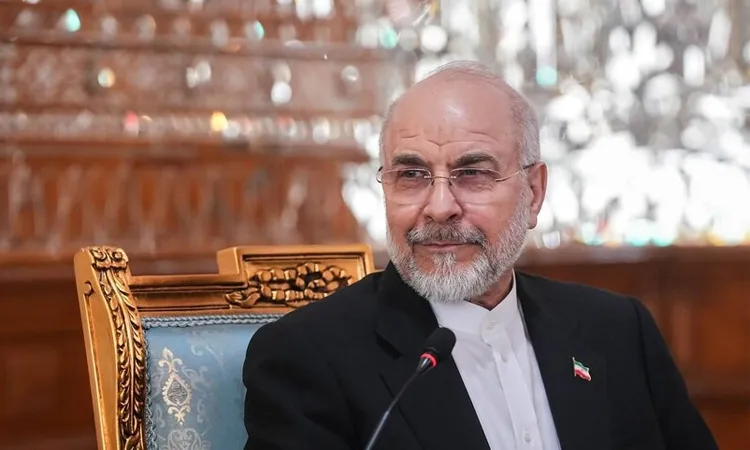
The talks, mediated by Pakistan, follow a fragile two-week ceasefire in the 2026 conflict. While the atmosphere is tense, some Iranian officials see a narrow path forward. First Vice President Mohammad Reza Aref noted on social media that a mutually beneficial agreement is possible—provided the U.S. focuses on a pragmatic "America First" agenda rather than prioritizing regional escalations.
The Islamabad summit is viewed as a critical turning point that could either stabilize global energy markets or lead to further regional conflict.