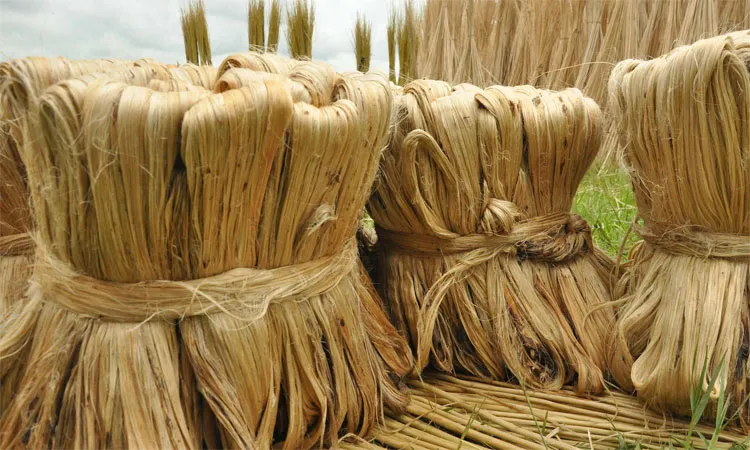
Bangladesh has drawn up a comprehensive five-year strategy to revitalize its historical jute sector with aiming to double overseas earnings to $2 billion by 2031. The initiative comes amid a strong rebound in export sales and signaling renewed global demand for eco-friendly products.
According to Export Promotion Bureau (EPB) data, exports of raw jute and jute products generated $162.5 million during the first two months of the 2026-27 fiscal year (July–August) a 37.09% increase compared to the same period in 2025-26. This surge follows a modest 7.75% growth in FY 2025-26 when overall earnings reached $883.7 million.
During the July–August period the raw jute exports jumped 36%, jute yarn 58% and other diversified products 48.15%. However the export earnings from traditional jute sacks and bags declined by 13%.
Industry insiders note that recent export value gains were largely driven by higher raw jute prices following flood-induced crop damages last year rather than a significant increase in physical volume. Higher energy costs and geopolitical uncertainties in Europe have also weighed on order volumes for high-margin diversified goods.
To sustain long-term growth, the Ministry of Textiles and Jute finalized the draft "Bangladesh Jute Sector Development Strategy and Action Plan 2026-31." The proposed roadmap envisages up to Tk.47.5 billion in public and private investment to modernize the industry.
Increasing the annual export earnings from the current baseline to $2 billion by 2031. Boosting raw jute yield from 11.5 million to 12 million bales annually. Raising the share of high-value, diversified products such as technical textiles, automotive components, home furnishings and charcoal from 45% to 70%. Achieving 85–90% self-sufficiency in high-yield jute seed production. Establishing internationally accredited testing laboratories and attracting foreign direct investment (FDI) through joint ventures.
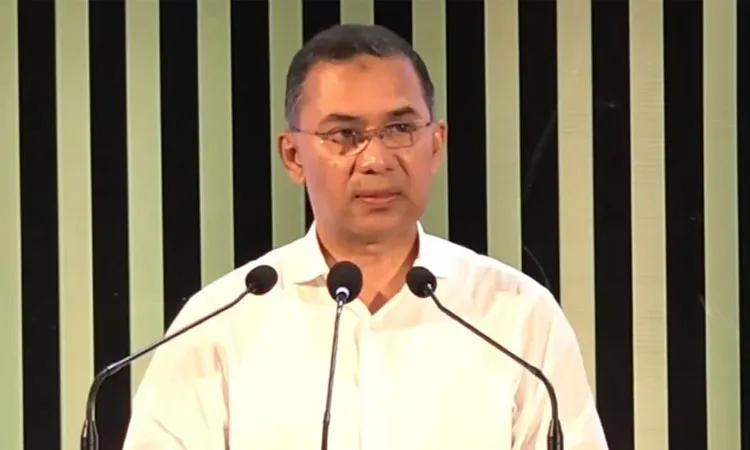
Syed Md Nurul Basir, Director General of the Jute Department, emphasized that while fully restoring the historical "golden era" may be unrealistic with structured policy support and market expansion will establish a sustainable, high-value trajectory for Bangladesh's iconic fibre.