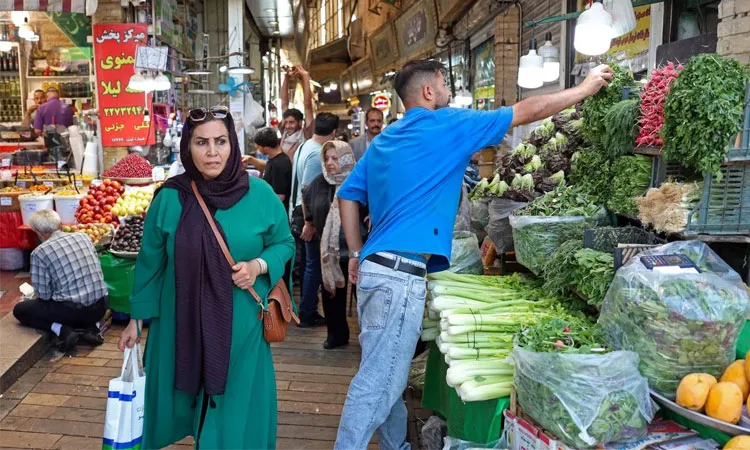
Iran has successfully transferred $7.5 billion in oil revenue to its central bank, meeting 99 percent of its budget targets for the first four months of the Iranian year. According to the Fars News Agency and these funds will cover the government's foreign currency expenditures through December with defying a crippling US naval blockade.
Despite this financial milestone, President Masoud Pezeshkian acknowledged the severe economic toll of ongoing US sanctions with urging the public to accept that the country is managing an economy under intense "wartime conditions." Tehran Governor Mohammad Sadeq Motamedian highlighted the severe infrastructure damage caused by US-Israeli strikes which began on February 28 noting that 1,200 electricity sites in Tehran province alone were targeted before being rapidly restored.
Geopolitical tensions over the Strait of Hormuz continue to escalate. While a June Memorandum of Understanding (MoU) outlined plans to end hostilities with lift the blockade and reopen the Strait, subsequent negotiations stalled over security guarantees. Tehran insists it will not fully reopen the strategic waterway until Washington lifts sanctions and releases frozen Iranian assets.
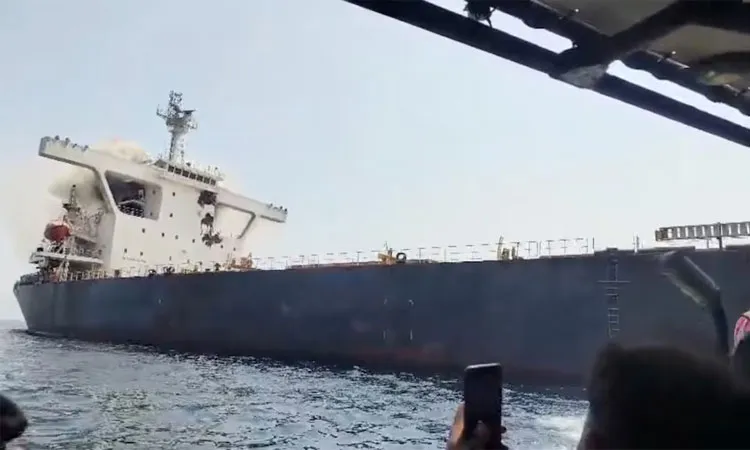
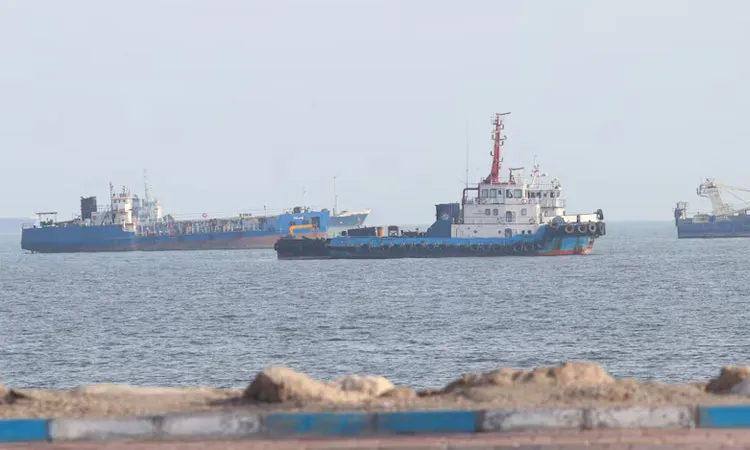
The ongoing standoff has triggered a severe maritime crisis with worldwide implications. The International Maritime Organization (IMO) reports that six months into the conflict 400 vessels and approximately 6,000 seafarers remain stranded in the Gulf. IMO Secretary-General Arsenio Dominguez warned that the resulting disruption to global fuel and fertilizer supply chains carries grave consequences for economies worldwide.