Operations at Bangladesh’s primary maritime gateway came to a complete standstill Sunday morning as port workers resumed an indefinite strike following a failed two-day truce.
The work stoppage, which restarted at 8:00 a.m., targets the government's plan to lease the New Mooring Container Terminal (NCT) to the Dubai-based operator DP World. Protesters are demanding an immediate cancellation of the lease, citing concerns over national interest and job security.
Heavy security, including armored vehicles and water cannons, has been deployed across the port area. While no physical clashes were reported by midday, strike coordinators alleged that two labor leaders were arrested by Detective Branch (DB) police late Saturday night. Authorities have not yet confirmed the detentions.
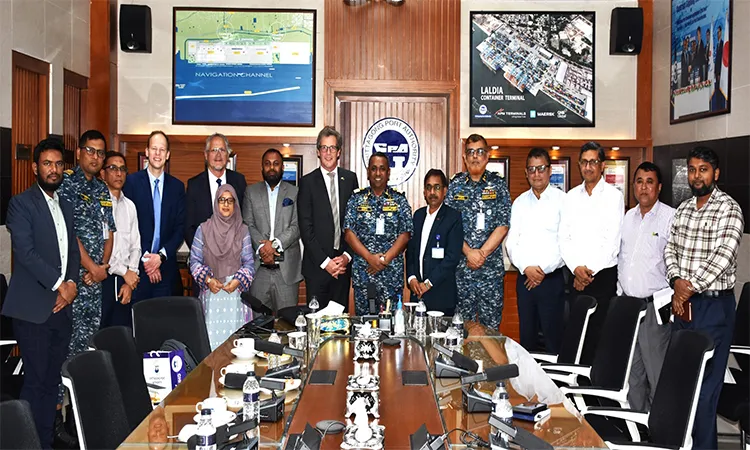
A scheduled 9:30 a.m. meeting between workers and the Chattogram Port Authority (CPA) chairman was boycotted by labor leaders. Protesters further alleged that security forces were "forcibly" attempting to bring workers from their residences to the meeting auditorium.
The strike follows a tense week where a previous six-day stoppage was briefly suspended on Friday after talks with Shipping Adviser Brig. Gen. (retd) M. Shakhawat Hossain. However, relations soured after the CPA requested an Anti-Corruption Commission (ACC) investigation into the assets of 15 leading protesters.
The Port Authority has also sought a travel ban on these individuals, accusing them of "anti-state" activities.
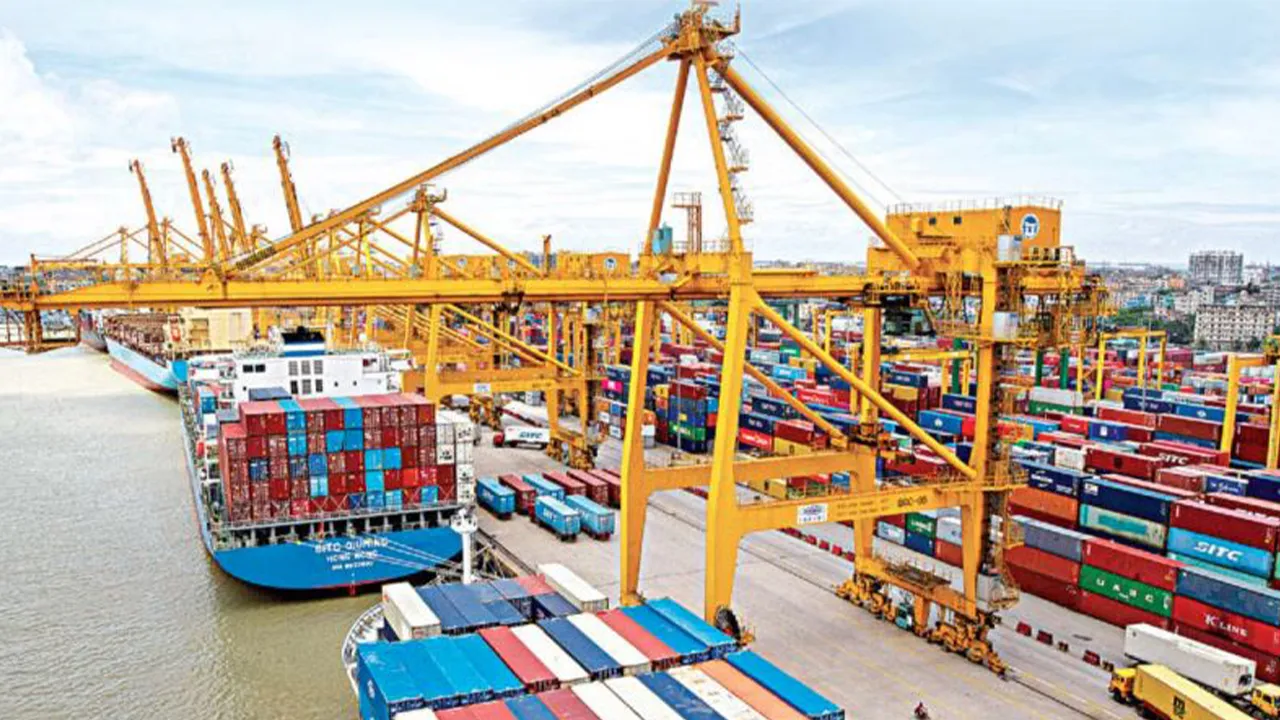
Business leaders are warning of catastrophic consequences for the national economy, especially with the month of Ramadan approaching. Estimated losses have reached at least Tk3,000 crore ($250 million). Significant container backlogs and vessel congestion at the outer anchorage. Risks to the ready-made garment (RMG) sector as exporters miss shipment deadlines.
"The ultimate losers will be the people of the country," warned Sarwar Hossain Sagar, chairman of the Bangladesh Ship Handling and Berth Operators Association, noting that delays will inevitably trigger price hikes for essential goods.