

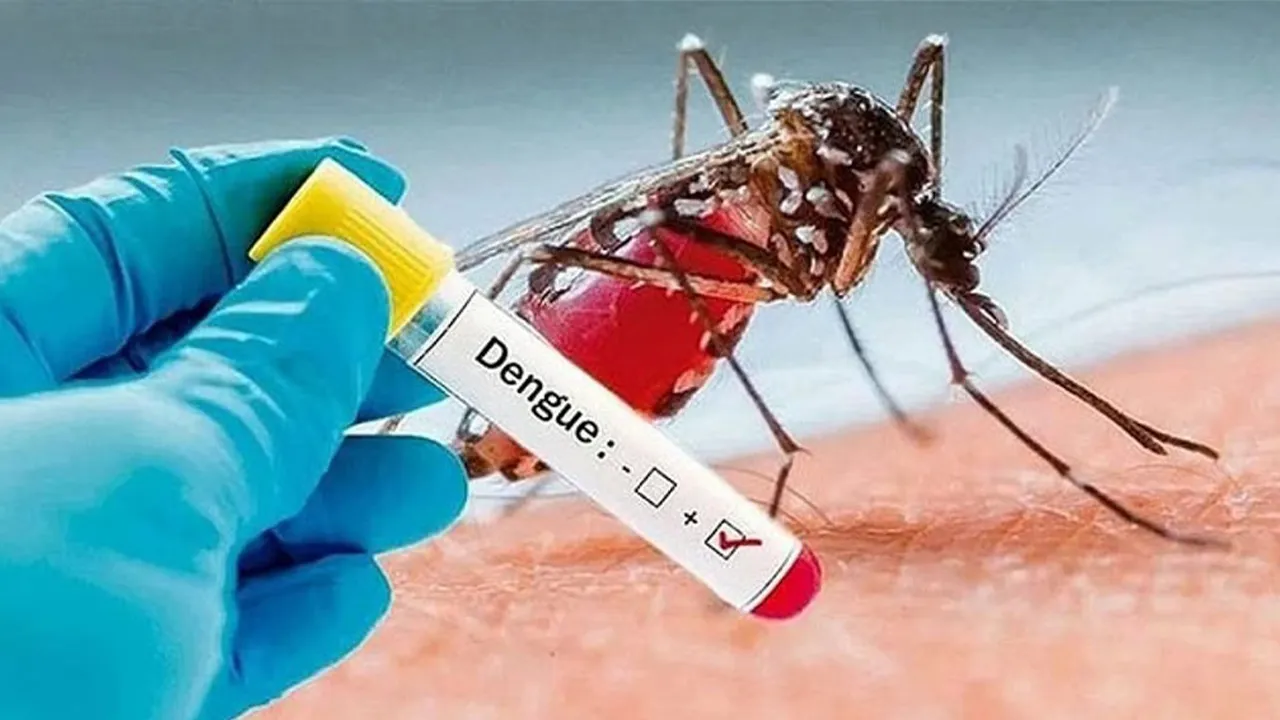
Both dengue infections and deaths are rising in Chattogram, with 19 people having died from the disease in the district so far this year and the number of reported cases exceeding 4,000.
In the latest 24 hours, 82 new dengue patients were admitted to hospitals. Of them, 65 were admitted to government hospitals and 17 to private hospitals and clinics, according to a report released by the Chattogram Civil Surgeon’s Office.
According to health department statistics, the number of dengue cases in Chattogram has reached 4,067 since the beginning of the year. Of these, 3,368 patients received treatment at government hospitals, while 699 were treated at private hospitals and clinics.
The admission of 82 patients in a single day indicates that healthcare facilities continue to face pressure from the ongoing dengue outbreak.
The death figures are also concerning. Of the 19 people who have died from dengue this year, 12 died while receiving treatment at private hospitals and clinics. Six died at Chattogram Medical College Hospital, while one died at Chattogram 250-Bed General Hospital.
Among the 82 patients admitted during the latest 24-hour period, 19 were admitted to upazila health complexes, 17 to Chattogram Medical College Hospital, 17 to private hospitals and clinics, 16 to Chattogram 250-Bed General Hospital, 12 to Bangladesh Institute of Tropical and Infectious Diseases (BITID) Hospital and one to Chattogram Combined Military Hospital (CMH).
The admission of 65 new patients to government hospitals also indicates continued pressure on the public healthcare system. At the same time, 17 patients were admitted to private hospitals and clinics.
Public health experts say treating dengue patients alone is not enough; controlling the sources of infection is also essential.
They have stressed removing stagnant water where Aedes mosquitoes can breed, maintaining cleanliness in and around homes and regularly monitoring and destroying mosquito breeding sites.
Homes, rooftops, construction sites, abandoned containers and other places where water can accumulate should be cleaned regularly, they said.
Experts also said dengue control efforts should not be limited to publishing case numbers or identifying patients. Authorities need to regularly analyse which areas have higher infection rates, where Aedes breeding sites are concentrated and how many patients are developing severe disease so that targeted measures can be taken.
At the same time, public awareness should be increased so that people seek medical advice without ignoring fever and take patients to hospital promptly if their physical condition deteriorates.