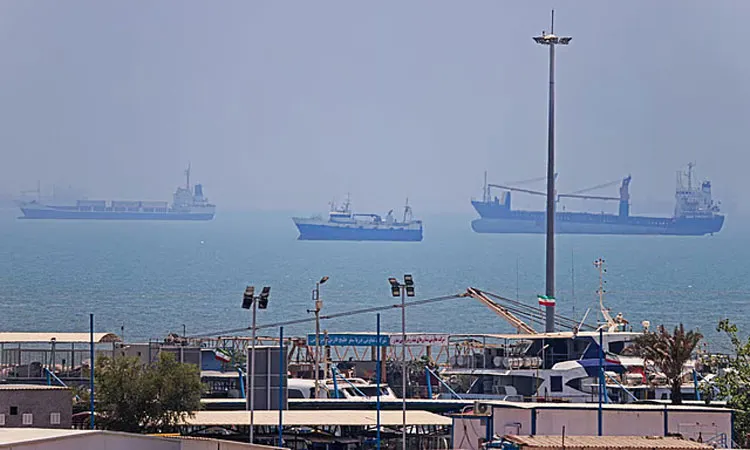
The fragile initial peace accord between the United States and Iran faces mounting hurdles as disputes emerge over military withdrawals in Lebanon, nuclear inspections and the management of the Strait of Hormuz.
The US and Iran recently signed a preliminary agreement to end hostilities that began in late February, a conflict that severely disrupted global energy supplies. However, the deal has drawn skepticism from Middle Eastern allies and faced pushback in Washington where the US Senate recently voted to direct President Donald Trump to halt military action against Iran.
A major sticking point is the parallel conflict in Lebanon. On Wednesday, Israeli Defense Minister Israel Katz stated that Israeli troops will not withdraw from southern Lebanon a key condition demanded by Beirut and Tehran. Speaking in Tel Aviv, Katz noted that Washington has not requested an Israeli withdrawal emphasizing that troops will remain to protect northern Israel.
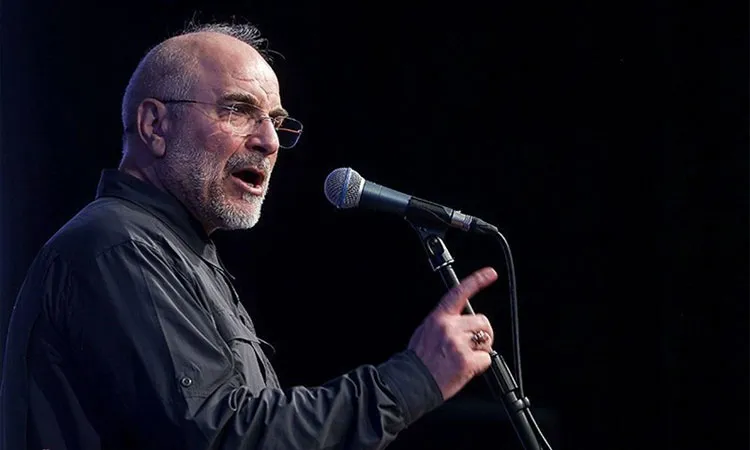
In response, Iran's Parliament Speaker Mohammad Baqer Qalibaf warned that ending the war in Lebanon is just as critical to Tehran as the broader US-Iran ceasefire.
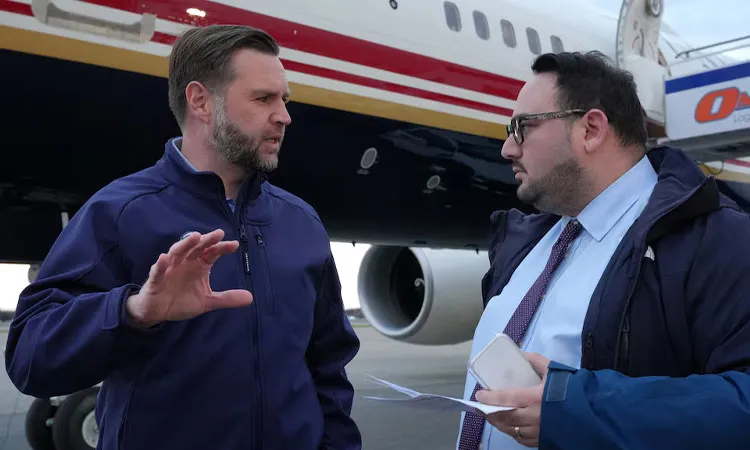
To address regional anxieties over the accord which reportedly includes a $300 billion fund and sanctions waivers US Secretary of State Marco Rubio is touring the Middle East. After meeting leaders in the UAE, Kuwait and Bahrain, Rubio confirmed that technical negotiations between Washington and Tehran will resume in Switzerland around June 29.
Meanwhile, conflicting narratives threaten the agreement's core provisions. President Trump claimed the deal ensures infinite nuclear inspections and that unfrozen Iranian funds must be used to purchase US agricultural and medical supplies. Iran quickly rejected these assertions. Iranian Deputy Foreign Minister Kazem Gharibabadi stated that access to nuclear facilities will only be granted after a final agreement is reached and all sanctions are officially lifted.
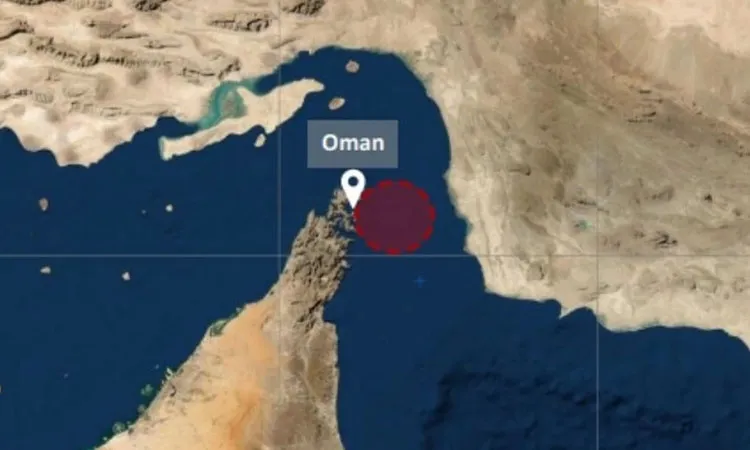
Despite the political friction, economic relief is materializing as shipping resumes through the Strait of Hormuz helping to stabilize global oil prices. Qatar announced it expects its liquefied natural gas (LNG) operations to return to normal within weeks.
To secure the waterway's long-term management, Qatari Prime Minister Sheikh Mohammed bin Abdulrahman al-Thani travelled to Oman to initiate negotiations. While regional diplomats anticipate Iran might propose environmental or security transit fees President Trump declared on social media that Tehran has assured the US there will be no tolls or charges of any kind for ships navigating the strait.