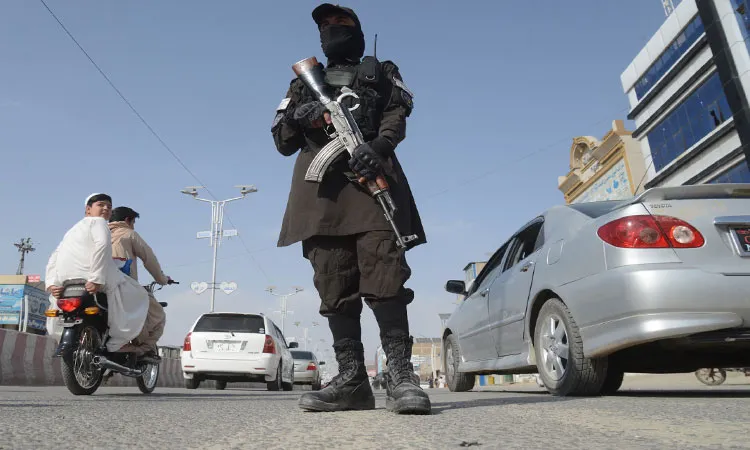
Afghanistan’s Taliban authorities said on Friday they were willing to negotiate with Pakistan after a sharp escalation in hostilities that included Pakistani air strikes on Afghan cities and deadly clashes along the border.
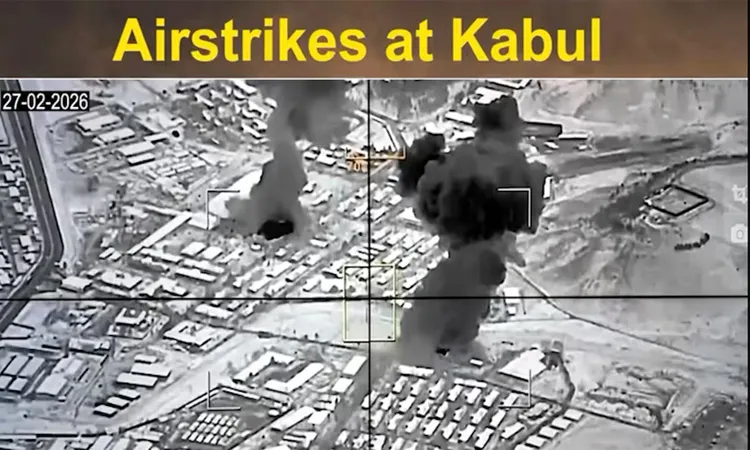
Pakistan carried out air-to-ground missile strikes on Taliban military targets in Kabul and Kandahar, marking the first direct attacks on its former allies. Islamabad described the situation as an “open war,” accusing the Taliban of sheltering militants who target Pakistan.
Reuters witnesses reported thick black smoke rising from strike sites in Kabul, with loud explosions and ambulance sirens heard across the city. Taliban spokesperson Zabihullah Mujahid said Pakistani forces also struck areas in Paktia, Paktika, Khost and Laghman provinces. He said civilian casualties occurred in Friday’s strikes, without providing figures.

Pakistan said the strikes were in response to Afghan attacks on Thursday and alleged drone assaults on Pakistani military positions—claims Kabul denied. Both sides reported casualties, but figures could not be independently verified. Pakistan confirmed 12 of its soldiers were killed, while Afghanistan said 13 Taliban fighters died.
Despite the escalation, the Taliban said it preferred dialogue. Afghanistan’s Foreign Ministry quoted Foreign Minister Amir Khan Muttaqi as telling Qatar’s junior foreign minister Mohammed bin Abdulaziz Al-Khalifi that Kabul seeks to resolve disputes through mutual understanding, provided Pakistan shows sincerity.
Qatar, which helped mediate between the two sides during clashes last year, said it was again working with regional partners to de-escalate the crisis.
Pakistan’s Defence Minister Khawaja Muhammad Asif said patience had run out, warning that further attacks or “terrorist provocations” would be met with a decisive response. Pakistan’s Foreign Ministry echoed the warning, stressing that national security would not be compromised.
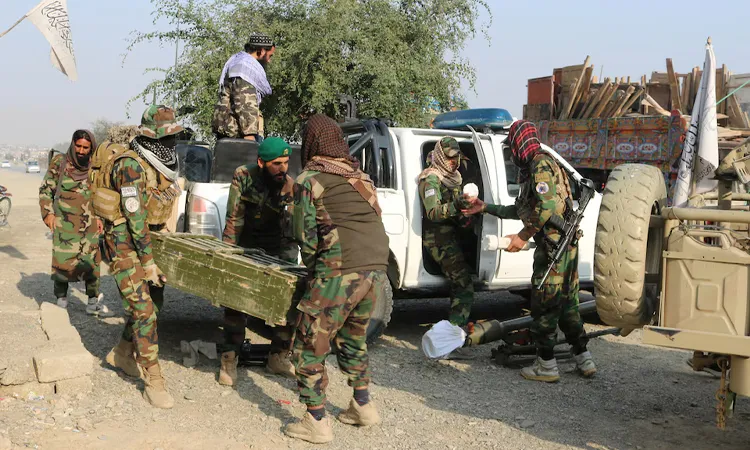
The renewed fighting has raised fears of a prolonged conflict along the 2,600-kilometre Pakistan-Afghanistan border. Pakistan, a nuclear-armed state with superior military capacity, faces a Taliban force experienced in guerrilla warfare after decades of conflict.
Tensions have worsened since Pakistan launched earlier air strikes this week on what it said were camps of Pakistani Taliban and Islamic State militants inside Afghanistan. Kabul and the United Nations said those strikes killed civilians, including women and children.
The crisis has also drawn in regional dynamics. Pakistan has accused the Taliban of acting as a proxy for India, a claim Kabul denies and for which Islamabad has presented no evidence. India, meanwhile, has condemned Pakistan’s air strikes in Afghanistan, citing civilian casualties during Ramadan.
India has gradually expanded diplomatic and humanitarian engagement with Afghanistan since the Taliban returned to power in 2021, reopening its mission in Kabul and holding high-level meetings. Analysts say New Delhi’s approach is driven by strategic pragmatism rather than ideology.