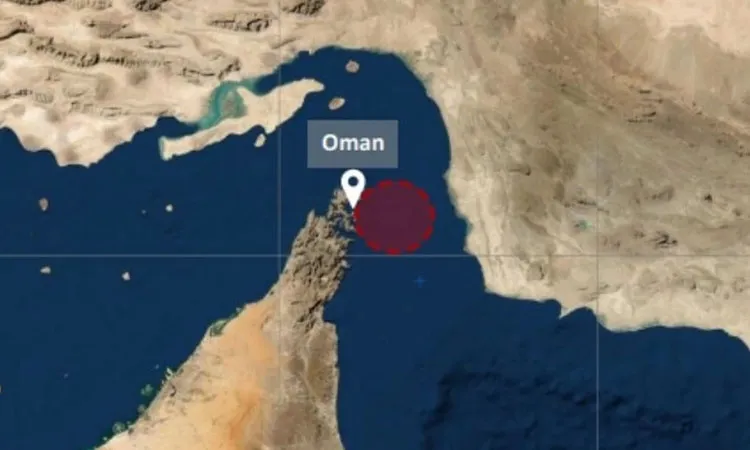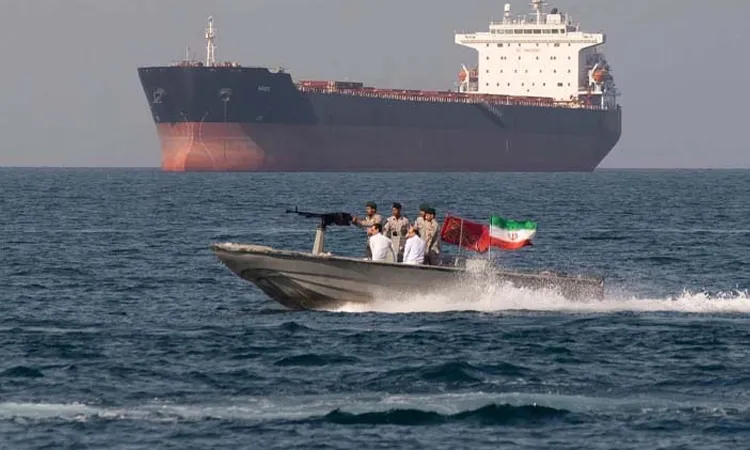
Tensions have resurfaced in the Strait of Hormuz after Iran’s Islamic Revolutionary Guard Corps (IRGC) warned commercial vessels against using a newly established shipping route created without Tehran's approval.
In a statement broadcast Thursday on Press TV, the IRGC Navy rejected the undisclosed waterway, stating that "some authorities" bypassed coordination with Iran. The IRGC emphasized that only Iran’s previously designated maritime corridors are legitimate, warning that any ships deviating from these routes will face immediate action. Al Jazeera reported that the Iranian declaration followed a related statement regarding the strait from neighboring Oman.
Despite the IRGC’s warning, some maritime restrictions appear to be easing. South Korea’s maritime ministry reported that five of its commercial ships successfully navigated the strait this week, with 13 more currently transiting the area.
The renewed friction follows recent diplomatic talks between Iran and the United States in Switzerland. Following those discussions, Iranian chief negotiator Mohammad Bagher Ghalibaf asserted that the strait "will never return to its pre-war condition." He stated that Tehran will retain administrative supervision of the waterway in accordance with international law.
The Strait of Hormuz, a narrow channel connecting the Persian Gulf to the Arabian Sea, remains one of the most critical chokepoints for the global economy. A substantial portion of the world's seaborne crude oil and natural gas from Saudi Arabia, Iraq, Kuwait, the UAE, and Qatar passes through this corridor daily.
Recent conflicts involving Iran, the U.S., and Israel have amplified the strait's geopolitical significance. While recent ceasefires and diplomatic engagements have reduced open hostilities, disputes over shipping lanes ensure the Strait of Hormuz remains a primary flashpoint for global security. Any disruption to traffic here risks an immediate spike in international oil prices and severe supply chain delays.