- National
- Bangladesh
- Business
- International
- Sports
- Entertainment
- Politics
- Technology
- Life Style
- Religion
- Opinion
- FIFA World Cup 2026
Tuesday, 25 August 2026


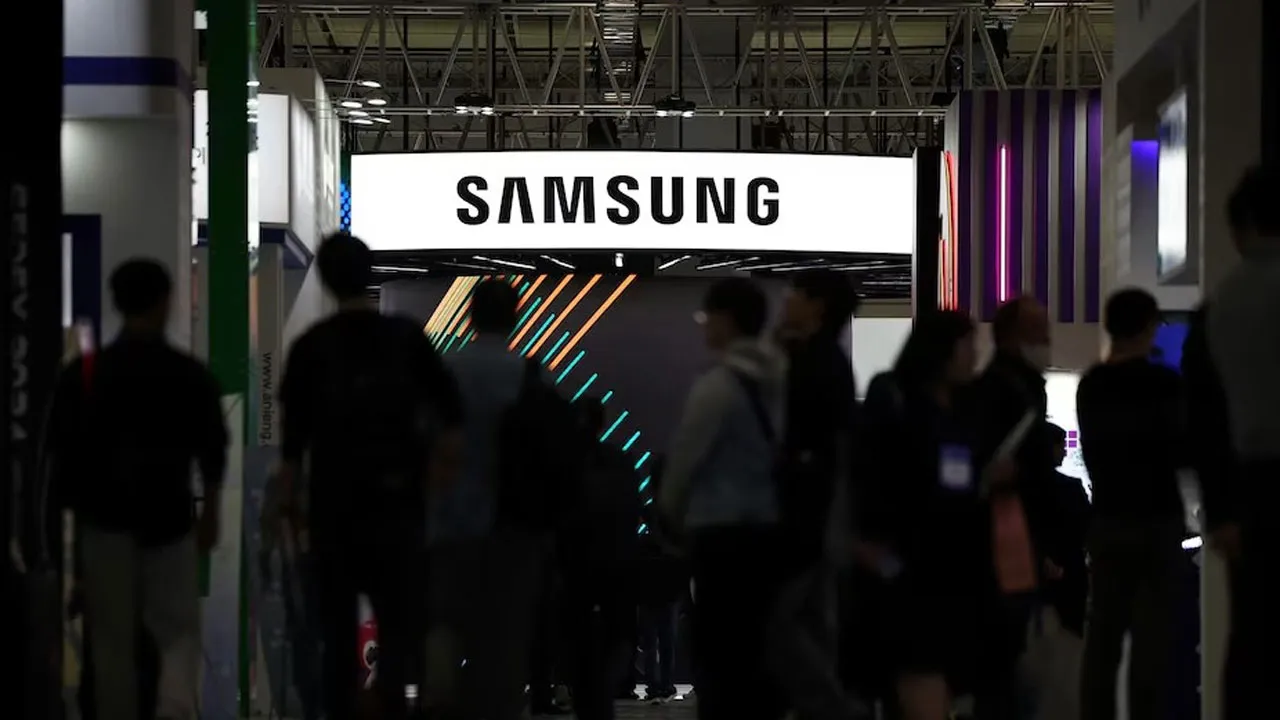
Samsung Electronics has reported a staggering 19-fold increase in second-quarter operating profit, driven by the global artificial intelligence (AI) boom. The South Korean tech giant estimated a profit of 89.4 trillion won ($58.44 billion) for the April-June period, a massive leap from the 4.7 trillion won recorded a year earlier. Revenue also surged by 129% to 171 trillion won.
The primary driver behind this turnaround is the relentless rollout of AI data centers, which has pushed memory chip prices to record levels. Prices for DRAM and NAND products rose by 44% and 53% respectively during the quarter. Remarkably, this profit surge occurred despite significant bonus provisions for semiconductor workers; without these, analysts suggest operating profit could have surpassed 100 trillion won.
However, these stellar numbers failed to calm investor nerves. Samsung’s market value plummeted by over $100 billion as shares dropped 10.1% on Tuesday. This slump reflects growing anxiety regarding the sustainability of the AI surge. Markets are increasingly worried that infrastructure spending by major U.S. tech firms might stall or that the triple-digit gains seen in the first half of the year are unlikely to be repeated.
As the world’s largest memory chipmaker, Samsung’s performance is a bellwether for the global tech sector. While supply remains tight due to the rapid growth of high-bandwidth memory (HBM), investors are now cautiously awaiting the detailed earnings breakdown on July 30 to determine if this growth is structural or nearing a peak.