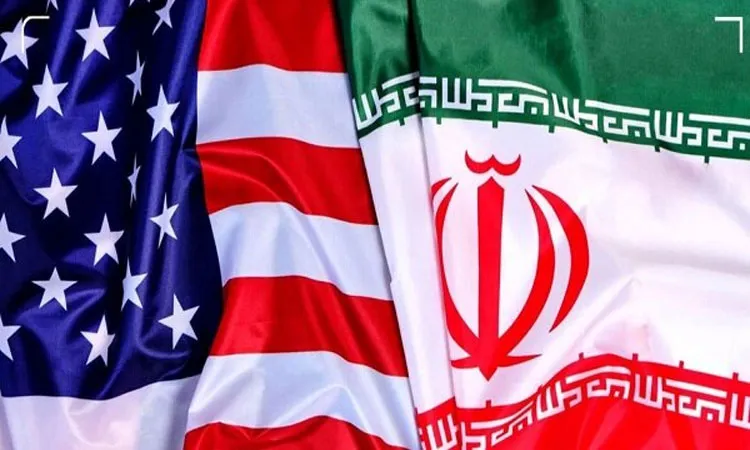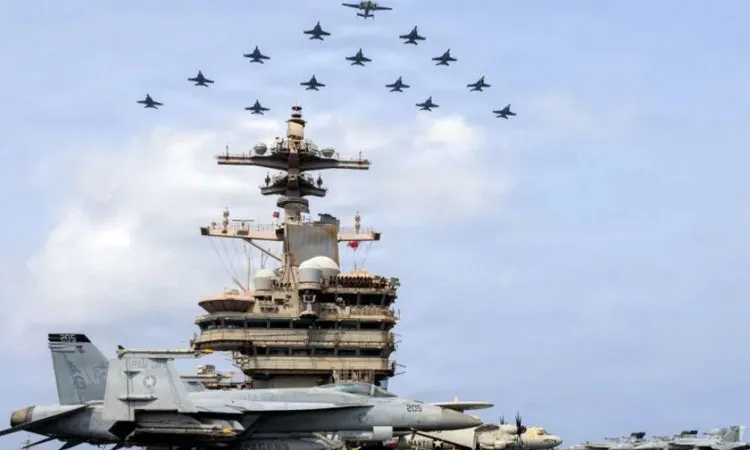
Oil prices fluctuated during the three-and-a-half-month war. Iran’s key weapon was the unprecedented closure of the Strait of Hormuz, choking off a fifth of the world’s oil and liquefied natural gas (LNG) supplies overnight and giving Tehran significant leverage.
Benchmark Brent crude surged from around $70 a barrel before the war to a peak of $118 in late March. It then fell back to $83 after Washington and Tehran announced a preliminary peace deal on Sunday. Given that this was one of the largest supply disruptions in modern history, the price hikes were remarkably restrained.
For comparison, oil prices surged to $123 a barrel after Russia invaded Ukraine in February 2022, driven by fears of losing Moscow’s 7.5 million barrels per day (bpd) in exports. That is only about half the volume lost during the Hormuz blockade. For decades, a Hormuz shutdown was viewed as the ultimate doomsday scenario. Yet, when it happened, prices jumped but did not spiral out of control.
The Market's Resilience
On the surface, the explanation is straightforward: the physical market did its job. The global energy system showed extraordinary flexibility. Governments and companies released hundreds of millions of barrels from commercial and strategic stockpiles. Fortunately, oil production was running hot heading into the conflict, and rising inventories helped cushion the blow.
Demand also adjusted. When the war broke out, Chinese imports dropped sharply. Across much of Asia, governments imposed curbs to reduce energy use, preventing a deeper economic shock. The system bent, but it did not break. However, this is only half the story. Pricing in the 'Trump Put'
Looking closer, the market’s reaction to shrinking global inventories tells a different tale. Oil stocks were depleted at an unprecedented pace during the war, dropping by an average of 5.3 million bpd between March and May, according to the US Energy Information Administration. They neared dangerously low levels just as the northern hemisphere entered peak summer demand. This should have been a flashing red warning sign. Instead, it reinforced market confidence that a deal was near.
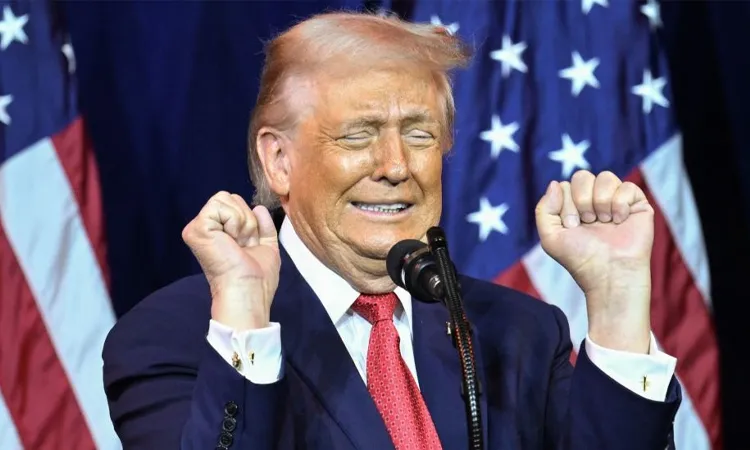
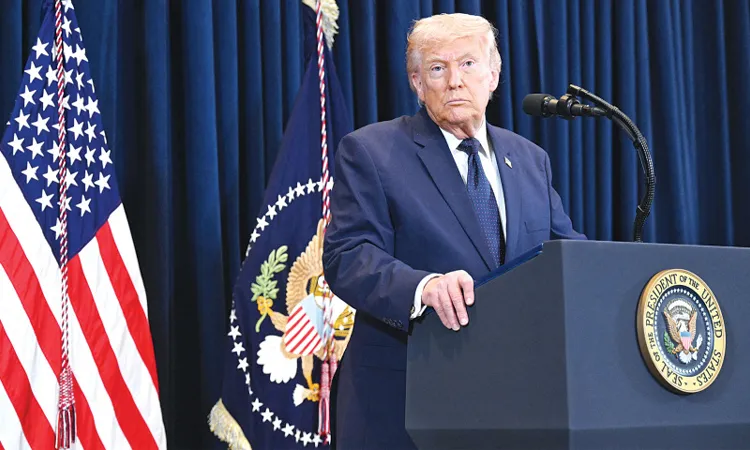
What explains this? The implicit bet was clear: Trump would not let US gasoline prices surge to unmanageable levels and risk reigniting inflation, especially with midterm elections looming. Put simply, investors believed he would blink before the market cracked.
The lower inventories fell, the closer a deal seemed. This pattern is familiar. During Trump’s second term, markets have repeatedly discounted the extreme outcomes implied by his rhetoric. His most aggressive moves are often followed by retreats when financial markets begin to wobble. The so-called "Trump put"—the belief that he will intervene to save markets—shaped the commodity sector during the Iran war. Traders were not ignoring the risks; they were pricing in Trump’s political limits. Reality Catches Up
However, the oil market’s "Trump trade" has boundaries. Unlike stocks, which can run on sentiment, commodity markets are anchored in physical reality. And reality was catching up with both the president and energy traders.

Despite the market’s effective response, losing around 1.4 billion barrels of supply since the war began created a massive hole in global inventories. That gap remains. Sunday's deal announcement dramatically reduced the risk of a massive price spike, but the challenge now is that supply and demand will likely recover at different rates, pointing to future volatility:
Demand could spike: Refiners, traders, and governments must refill the inventories they drained during the crisis. This new wave of demand could tighten markets as summer peaks and supply buffers remain thin. The strain is already visible in the US: after pushing exports to record levels, US crude inventories have hit their lowest point since 2004, and gasoline stocks are at their lowest since 2014.
Supply could flood the market: Alternatively, supply could recover faster than expected as revenue-starved Gulf producers scramble to regain market share. This could lead to a steeper price drop than traders currently anticipate.
A Timely Resolution
Throughout the war, Trump’s influence over oil markets remained strong. His rhetoric repeatedly boosted investor hopes for a quick resolution, even as conditions worsened on the ground. The US-Iran deal announced on Sunday was vague and offered limited gains for Washington, but it arrived just as the market was running out of room.
Its timing was likely no coincidence. Investors understood that Trump’s tolerance for economic pain had limits, and those limits mattered just as much as physical pipelines or storage tanks. They bet on him acting before the crisis deepened—and this time, they were right.