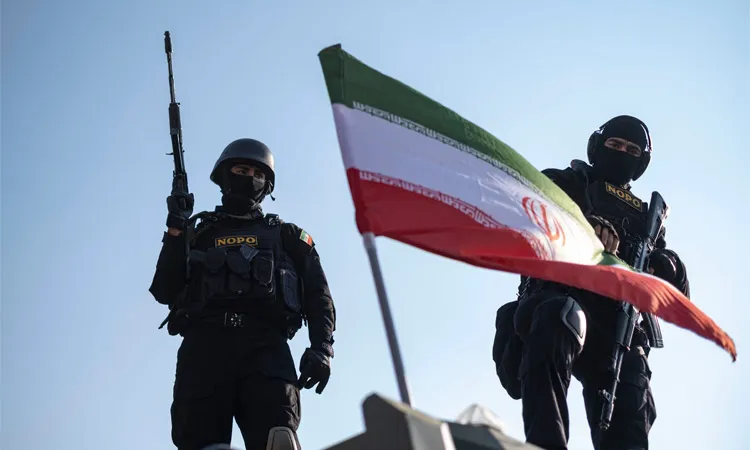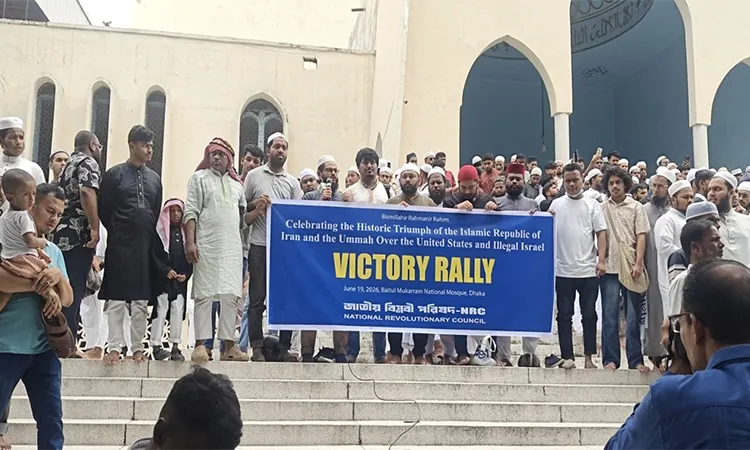
The National Revolutionary Council held a rally at the north gate of the Baitul Mukarram National Mosque on Friday to mark the conclusion of the 108-day war between Iran, the United States, and Israel. Party leaders claimed the diplomatic outcome safeguards the sovereignty of smaller nations, including Bangladesh.
Speakers at the rally argued that the formal agreement signed in Geneva significantly alters regional geopolitics. National Revolutionary Council Convener Khomeini Ihsan stated that the conclusion of the conflict reshapes foreign policy dynamics across South Asia, reducing unilateral regional pressures on Bangladesh.
Referring to current domestic governance, Ihsan noted that the diplomatic shift is reflected in Prime Minister Tarique Rahman’s current foreign itinerary. Following his assumption of office in February, the Prime Minister's first official overseas tours are scheduled for Malaysia and China, rather than traditional regional routes. The council urged the government to confidently pursue independent economic initiatives, explicitly calling for active integration into China’s Belt and Road Initiative (BRI) and the development of the deep-sea port at Sonadia.
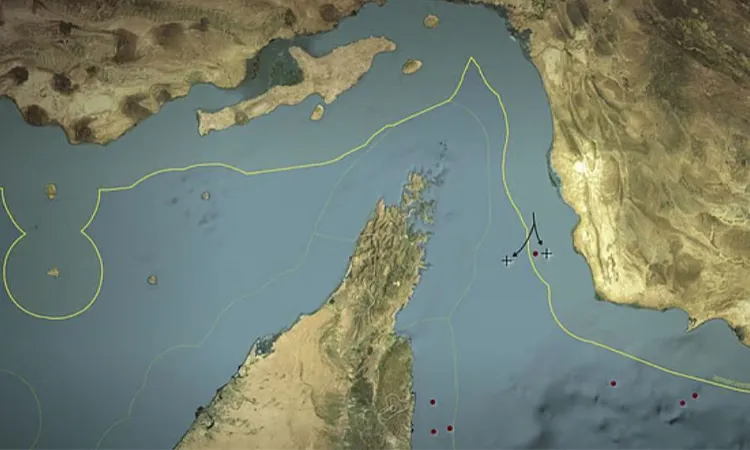
Member Secretary Dr. Nabil Ahmed reviewed the timeline of the conflict, noting that despite suffering severe leadership losses and significant civilian casualties since the initial strikes on February 28, Iran’s enforcement of the Strait of Hormuz blockade eventually forced a negotiated settlement via the Islamabad Memorandum.
The rally concluded with leaders emphasizing that Bangladesh, as part of the broader global community, stands to benefit economically and strategically from a multi-polar diplomatic environment. Senior party figures, including Joint Convener Seyyed Qutb and leaders from the Muslim League and Pan Islamic Movement, were also in attendance.