Global oil prices rose on Thursday after the United States confirmed it is not in active negotiations with Iran, heightening concerns over prolonged disruptions to Middle East energy supplies.
Brent crude futures climbed by $1.08 to $88.92 a barrel also recovering from three consecutive sessions of losses. Meanwhile, US West Texas Intermediate (WTI) crude gained slightly to reach $82.42. WTI’s growth was moderated by a recent build-up in US domestic crude inventories which signaled a comfortable local supply.
The sudden price surge reflects fading market optimism for a diplomatic breakthrough. The White House explicitly stated that no negotiations are underway with Tehran emphasizing that talks will only resume when Iran engages meaningfully. This follows the US Treasury's recent rollout of aggressive economic sanctions against Iran which Iranian officials condemned but dismissed as ineffective.
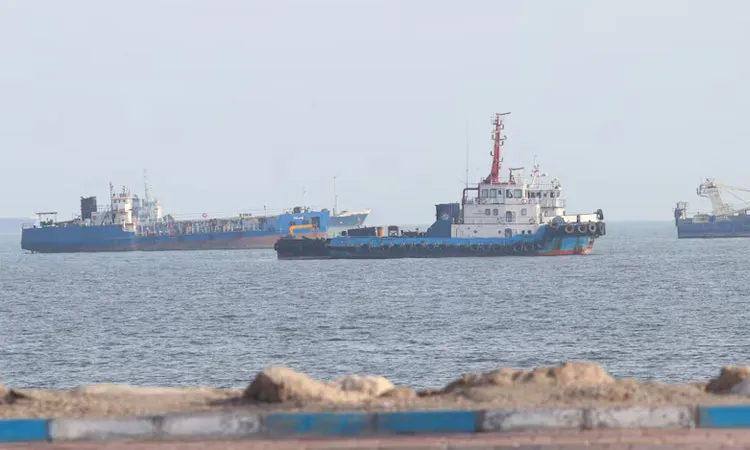
Despite diplomatic visits to Tehran by Qatari officials seeking to de-escalate regional tensions of traffic through the crucial Strait of Hormuz remains heavily restricted. As a vital maritime route that historically handles one-fifth of the world's daily oil and liquefied natural gas (LNG) supplies any bottleneck injects a significant risk premium into global energy prices.
Market analysts warn that the core disputes particularly concerning Iran's nuclear program and its strategic leverage over the Strait of Hormuz remain unresolved. Until diplomatic channels yield concrete agreements also global markets will likely face continued price volatility and restricted Middle Eastern oil flows.