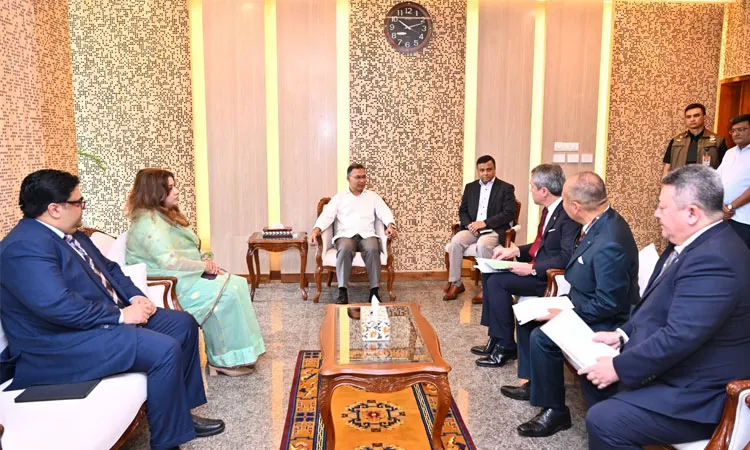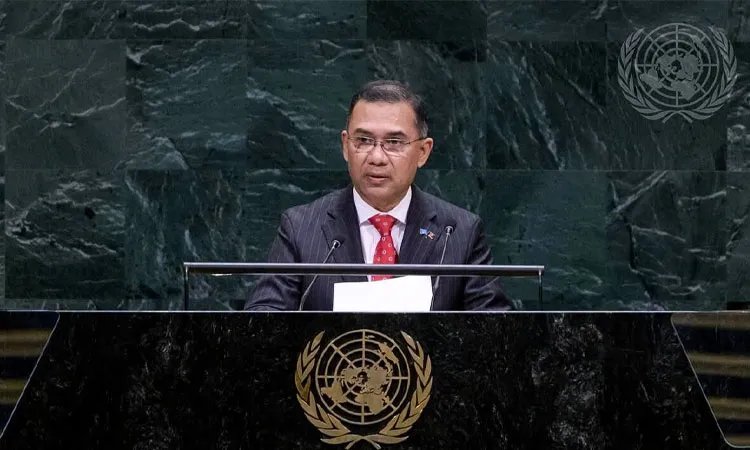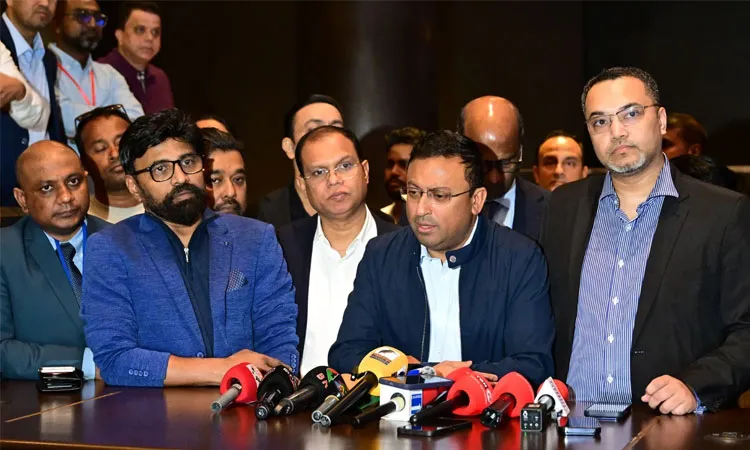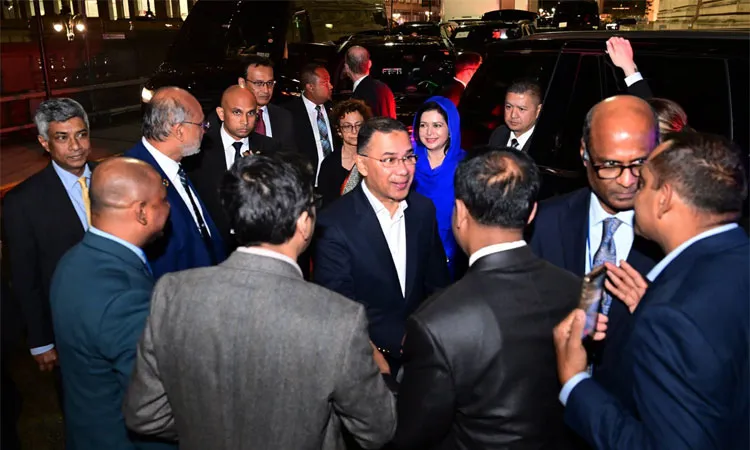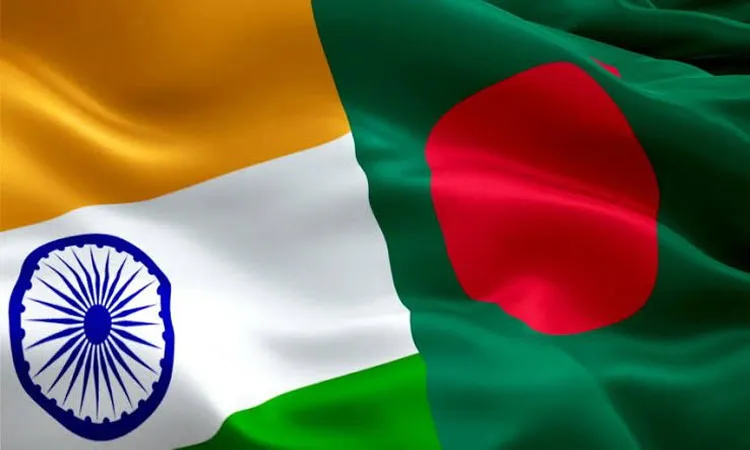
A prematurely released email from the Indian President's office recently offered a rare glimpse into New Delhi’s intense diplomatic efforts to host Bangladesh Prime Minister Tarique Rahman. The message, which canceled a ceremonial guard rehearsal meant to welcome Rahman was quickly retracted since no official visit had been announced.
However, the leak highlighted Delhi's eagerness to engage Bangladesh’s new leadership. PM Rahman has yet to accept the invitation. "No decision has been made on the visit" the Prime Minister's Press Secretary AAM Saleh told the BBC.
Timing is critical. A visit would be Rahman's first since his Bangladesh Nationalist Party (BNP) secured a landslide victory in the February parliamentary elections. This vote marked a new political era following the August 2024 mass uprising that ousted long-time leader Sheikh Hasina.
Since Hasina fled to India, relations between Dhaka and Delhi have faced significant friction. Delhi views Rahman’s government as an opportunity to reset a vital bilateral relationship but Hasina's continued presence on Indian soil remains a major stumbling block. Bangladesh has officially requested the extradition of Hasina who was recently sentenced to death in absentia by a special tribunal for ordering lethal force against protesters.
"We have called for the creation of a propitious environment and are awaiting India's response regarding expediting Sheikh Hasina’s extradition" Saleh noted. India maintains that the request is under consideration.
Despite this hurdle, India has made significant diplomatic overtures. Indian High Commissioner Dinesh Trivedi has held multiple discussions with PM Rahman, promising the "highest honour" and a "memorable welcome" should he visit. Former Indian Foreign Secretary Shyam Saran observed that Delhi has gone to great lengths to reach out to Dhaka, including resuming medical visas with ensuring energy supplies and reviving bilateral trade mechanisms.
The urgency from New Delhi is palpable, especially as Bangladesh begins diversifying its foreign alliances. Following the tenure of the interim government led by Muhammad Yunus, Dhaka has actively begun rebuilding ties with India's regional rival Pakistan. Recent high-level military exchanges and discussions of expanding defense cooperation between Dhaka and Islamabad have caught Delhi's attention.
Adding to the shifting geopolitical landscape is Bangladesh’s interest in the recently announced "Mecca Pact" a collective defense agreement signed by Saudi Arabia, Turkey and Pakistan. Modeled on NATO’s collective defense principle, the pact has sparked interest in Dhaka.
"If there is a security arrangement among Islamic nations in the Middle East, it is not unusual for us to consider participating," State Minister for Foreign Affairs Humayun Kabir said, adding that the pact is being "viewed positively." Saudi Arabia has also invited PM Rahman for a bilateral visit.
Foreign policy experts urge careful navigation. Dhaka University Professor Lailufar Yasmin advised that Bangladesh must weigh whether aligning with such pacts serves its long-term national interests.
Furthermore, Hasina’s recent virtual address to the Foreign Correspondents' Club in Delhi where she vowed to return to Bangladesh and criticized the BNP government triggered severe backlash in Dhaka. The event raised domestic questions about whether Delhi is truly sincere about resetting ties.
For India, these developments underscore a stark reality is the exceptionally close and dependent relationship it enjoyed under Hasina is over. PM Rahman’s government has actively demonstrated that its foreign policy is not solely reliant on its giant neighbor.
Despite the complexities, Prof. Yasmin suggests that PM Rahman should visit Delhi before the UN General Assembly in mid-September with noting simply "Neighbors have to live together."
An upcoming BRICS summit hosted by India in mid-September to which Bangladesh is invited as a special guest may provide the perfect diplomatic opening. After weeks of quiet invitations and leaked emails also Delhi hopes the new Prime Minister will finally cross the border.
News Source: BBC