


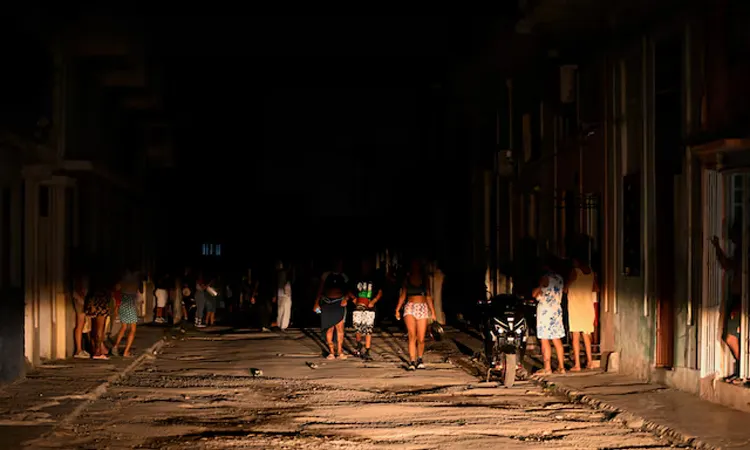
Cuba’s national electric grid collapsed on Monday, leaving around 10 million people without power, officials said. The outage comes amid a U.S.-imposed oil blockade and Cuba’s aging energy infrastructure.
The national grid operator, UNE, said it is investigating the causes of the blackout, which is the latest in a series of prolonged outages. Recent power failures have triggered rare public protests in the communist-run country. Residents in Havana and other cities have been seen banging pots and pans in frustration, a traditional protest known as “cacerolazo.”
The U.S. increased pressure on Cuba after the capture of Venezuelan President Nicolás Maduro in January. President Donald Trump cut Venezuelan oil shipments to Cuba and threatened tariffs on countries supplying oil, limiting Cuba’s fuel imports.
Cuba has received only two small oil shipments this year: one from Mexico in January and another from Jamaica in February. Venezuela, Cuba’s former primary supplier, has not delivered fuel. The government has relied on solar power, natural gas, and thermoelectric plants, but energy production has been insufficient.
President Miguel Díaz-Canel said the country has not received significant oil shipments for over three months, forcing delays in medical procedures and straining essential services. Officials confirmed a “complete disconnection” of the electrical system and are implementing protocols to restore power.
Cuba has faced repeated outages in recent years, including major blackouts in 2024 and 2025. The country continues talks with the U.S. to address the crisis while balancing energy, economic, and political pressures.

