Tensions in Yemen are escalating rapidly after reciprocal military strikes between the Saudi-backed government and Iran-aligned Houthi rebels, threatening to collapse a fragile 2022 ceasefire.
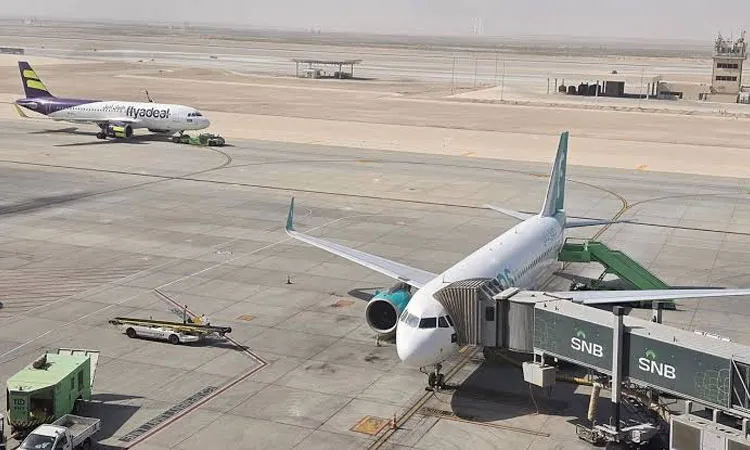
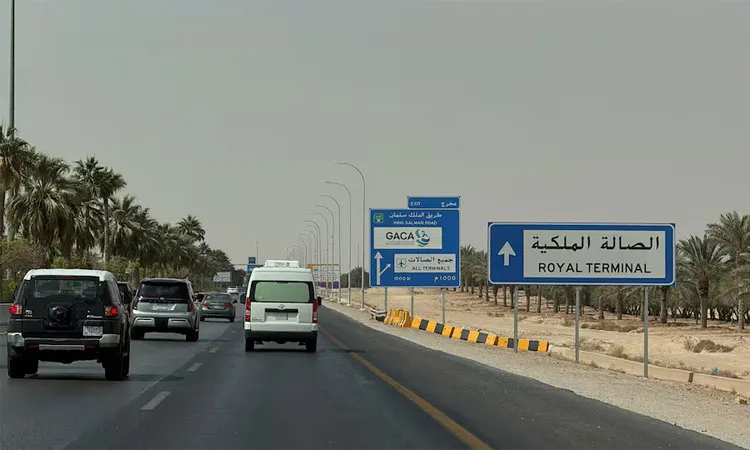
On Monday, Houthi forces launched ballistic missiles and drones at Saudi Arabia’s Abha International Airport. The Saudi-led coalition reported that its air defences successfully intercepted the weapons.
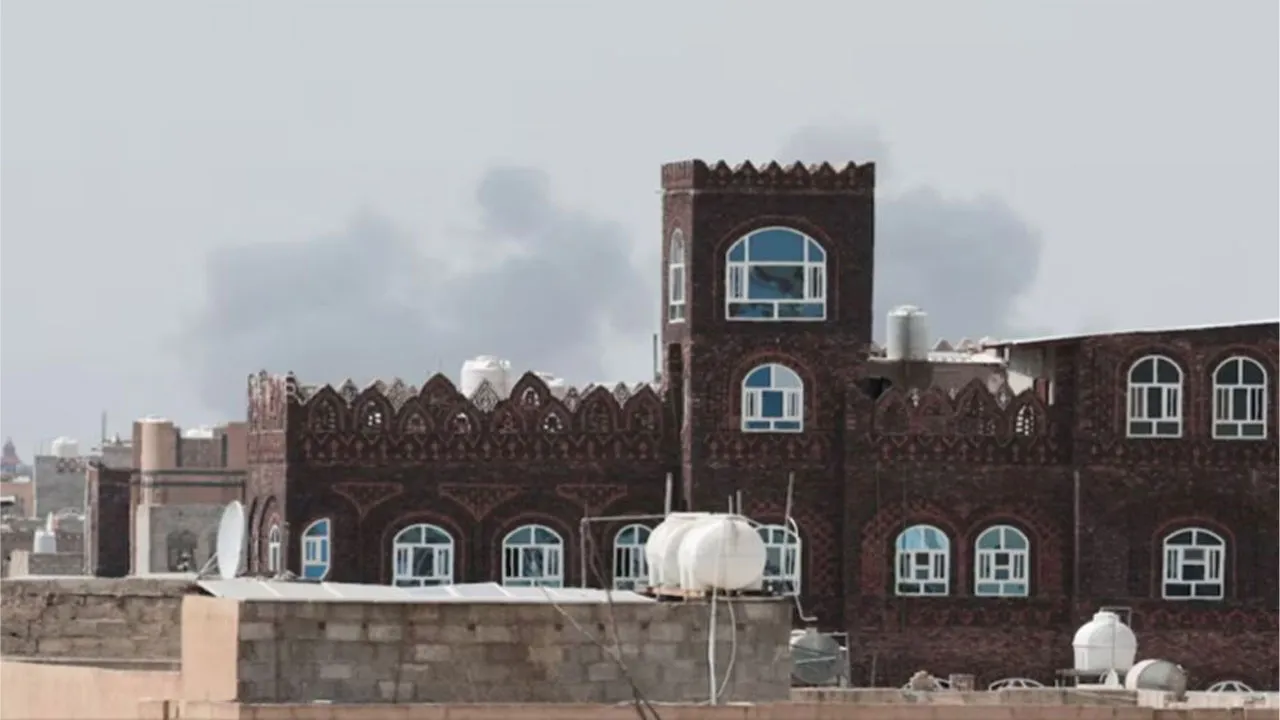
This retaliation followed a strike on the Houthi-controlled Sanaa International Airport. The Yemeni government claimed responsibility for the bombing, stating its goal was to stop an Iranian aircraft from landing. The dispute ignited after a Houthi delegation bypassed standard flight protocols—which require Saudi coalition clearance—by taking a direct flight from Iran to Sanaa following the funeral of Iran's late Supreme Leader Ali Khamenei.
In response, Houthi military spokesman Yahya Saree warned international airlines to avoid Saudi airspace until the blockade on Sanaa's airport is lifted. Iran also condemned the Sanaa airport strike as a violation of international law.
Despite the severe escalation, Rashad al-Alimi, head of Yemen's Presidential Leadership Council, has ordered his forces to limit the scope of the confrontation. However, risk analysts warn that continued retaliation could shatter the years-long truce. This would deeply worsen the humanitarian crisis for millions of Yemenis who have suffered since the civil war escalated in 2014. The clashes also coincide with heightened regional instability involving the US and Iran in the Gulf.