A court in Los Angeles has delivered a landmark verdict against tech giants Meta and Google, holding them liable for designing addictive social media platforms that harmed a young woman’s mental health.
The plaintiff, identified as Kaley, was awarded $6 million in damages, including $3 million in compensatory damages and $3 million in punitive damages. Jurors concluded the companies acted with “malice, oppression, or fraud.” Meta will bear 70% of the compensation, while Google will pay the remaining 30%.

Kaley testified that she began using Instagram at age nine and YouTube at six, encountering no effective age restrictions. She described developing anxiety, depression, and body dysmorphia linked to prolonged exposure and features like filters and infinite scrolling. At one point, she reportedly spent up to 16 hours a day on Instagram.
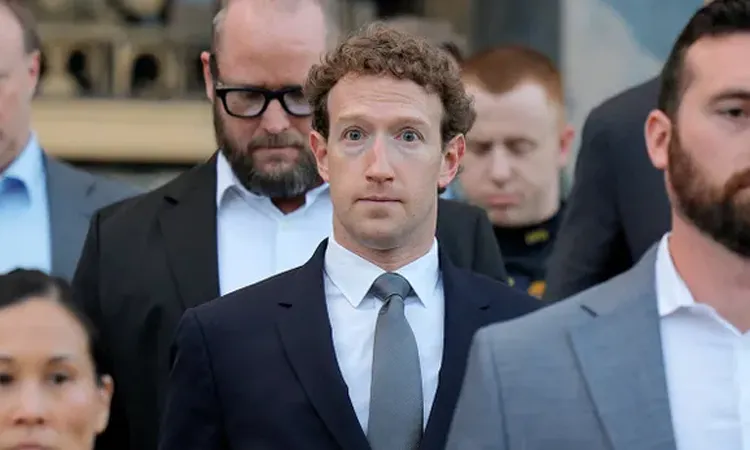
Her legal team argued that both companies intentionally engineered “addiction machines” to maximize user engagement, particularly targeting young users to secure long-term platform loyalty. Internal documents and testimony from executives, including Mark Zuckerberg, were presented during the five-week trial.

Both companies rejected the verdict and confirmed plans to appeal. Meta stated that teen mental health is complex and cannot be attributed to a single platform, while Google argued that YouTube is a responsibly designed streaming service rather than a social media platform.
The case is considered a bellwether trial for thousands of similar lawsuits currently progressing through US courts. Legal experts suggest the ruling could push tech companies to introduce stricter safeguards for younger users, potentially affecting their growth models.
The verdict follows closely after another ruling in New Mexico, where a jury found Meta liable for exposing children to harmful content and online predators. Analysts say these back-to-back decisions signal growing public and legal pressure on social media firms.
Globally, governments are also tightening regulations. Countries like Australia have introduced restrictions on children’s social media use, while the United Kingdom is testing potential bans for users under 16.
Additional trials involving platforms such as Instagram, YouTube, TikTok, and Snapchat are expected to begin later this year, indicating that the legal battle over social media’s impact on youth is far from over.