


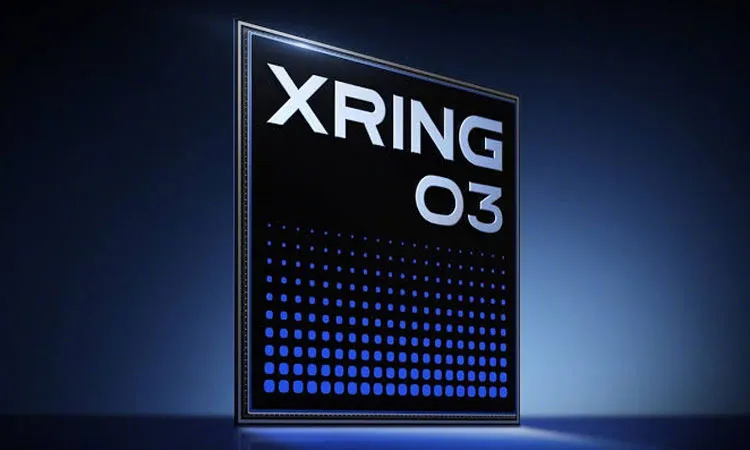
Chinese smartphone giant Xiaomi unveiled its new in-house processor on Monday with marking the latest step by the world’s third-largest smartphone vendor to develop proprietary chips and reduce reliance on external suppliers.
The new processor named Xring O3 arrives a year after Xiaomi introduced its first proprietary chip Xring O1. The move places Xiaomi alongside rivals Apple, Samsung and Huawei in building custom chips to differentiate products and cut reliance on vendors like Qualcomm and MediaTek.
Taiwan’s TSMC will manufacture the Xring O3 using 3-nanometer technology, according to sources familiar with the matter. The chip is expected to power Xiaomi's upcoming flagship folding phone with initial shipment targets set between 200,000 and 300,000 units.
The expansion into premium foldables aims to challenge domestic market leader Huawei captured a 68% share of China's foldable market in the second quarter.
Xiaomi also contracted TSMC for two additional chips Xring O100 a 6nm neural processing unit designed for AI applications and the Xring D100 a 3nm chip for autonomous driving. The O3 is currently in mass production while the O100 and D100 are scheduled for deployment next year.
The strategic shift comes as smartphone makers face rising component costs and dropping demand. Global smartphone shipments are projected to decline 14% in 2026 according to IDC research data. Xiaomi reported selling 65 million handsets in the first half of 2026 also down from 84 million during the same period last year.
