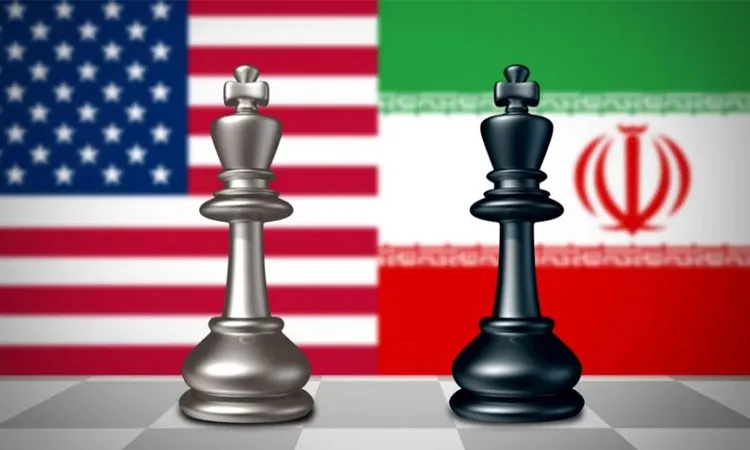
The United States has imposed five new conditions on Iran amid ongoing diplomatic efforts to resolve tensions between the two countries. According to Iran’s semi-official Fars News Agency, Washington presented the conditions in response to Tehran’s recent peace proposal.
One of the key US demands is the transfer of 400 kilograms of Iran’s enriched uranium directly to the United States. Washington has also refused to provide any compensation for economic losses Iran says it suffered due to previous US sanctions.
International media reported on Sunday (May 17) that the hardline position taken by the US administration has deepened the deadlock in negotiations.
According to the report, the United States wants Iran to limit its nuclear activities to only one operational facility in the future. Washington also rejected Iran’s request to release at least 25 percent of its frozen foreign reserves held abroad.
The US further linked any long-term reduction in Middle East military tensions to the success of the ongoing negotiations. Israeli outlet Ynet News reported that even if Iran accepts the US conditions, concerns over possible future military action by the US and Israel would remain.
Iranian media strongly criticized the US response. Mehr News Agency claimed Washington had offered no meaningful concessions in return for Tehran’s peace proposal.
In an editorial, Mehr stated that the United States was trying to secure through diplomacy what it “failed to achieve on the battlefield,” warning that the talks could collapse due to Washington’s “greedy approach.”

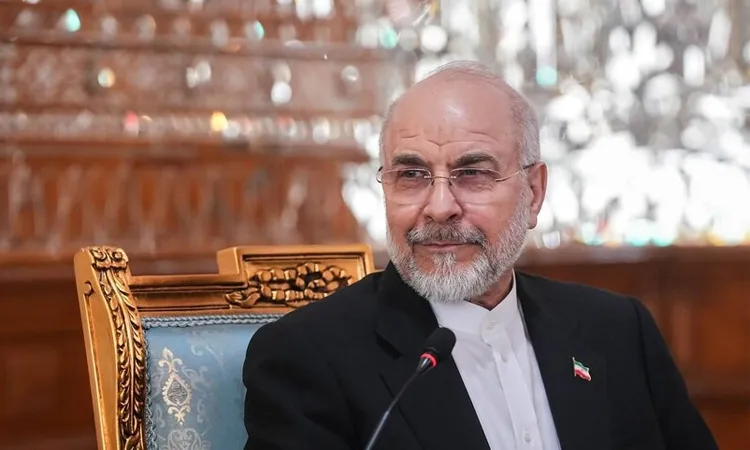
Earlier, US President Donald Trump reportedly rejected Iran’s 14-point peace proposal. Following the rejection, Iranian Parliament Speaker Mohammad Bagher Qalibaf warned that the US could face serious consequences if negotiations fail.
Iran has also outlined five preconditions for future talks. These include a permanent ceasefire across the region, an end to Israeli attacks on the Iran-backed group Hezbollah in Lebanon, the lifting of economic sanctions, and the release of Iranian funds frozen in international banks.
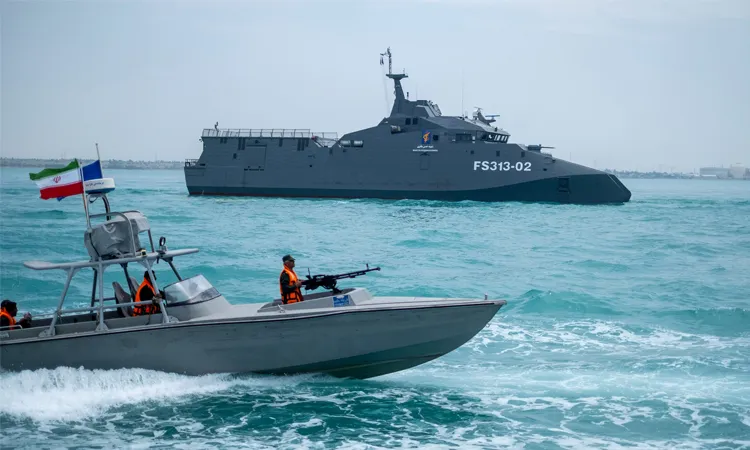
Tehran also demanded compensation for war-related infrastructure damage and international recognition of its sovereignty claims over the Strait of Hormuz, a key global energy shipping route.
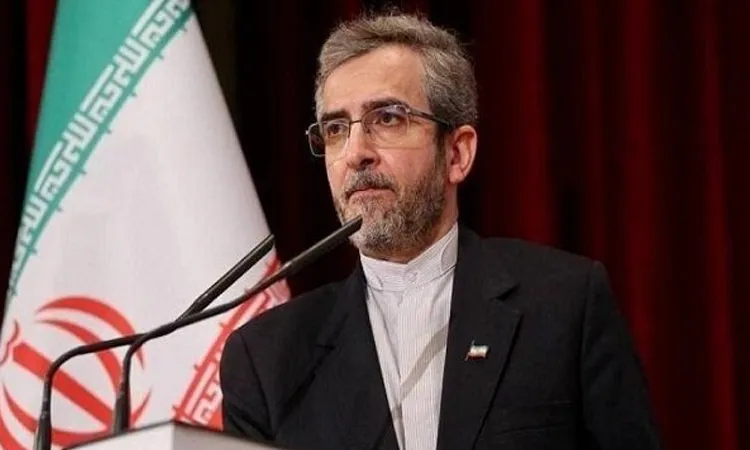
Iranian Foreign Ministry spokesperson Esmail Baghai criticized Washington on social media platform X, accusing the US of using diplomacy to advance military goals.
He wrote that the United States creates crises and conflicts and later presents itself as a force for peace and stability.

Regional tensions sharply escalated on February 28 after reported joint US-Israeli strikes inside Iran. Iran later responded with attacks linked to the Red Sea and the Strait of Hormuz, contributing to higher global oil prices and disruption in energy markets.
A temporary ceasefire was reached on April 8 through mediation efforts led by Pakistan. However, no permanent agreement has yet been achieved due to major differences between the two sides.