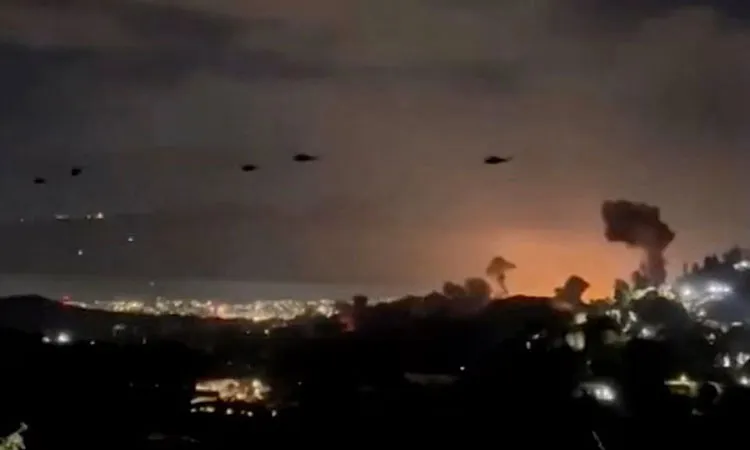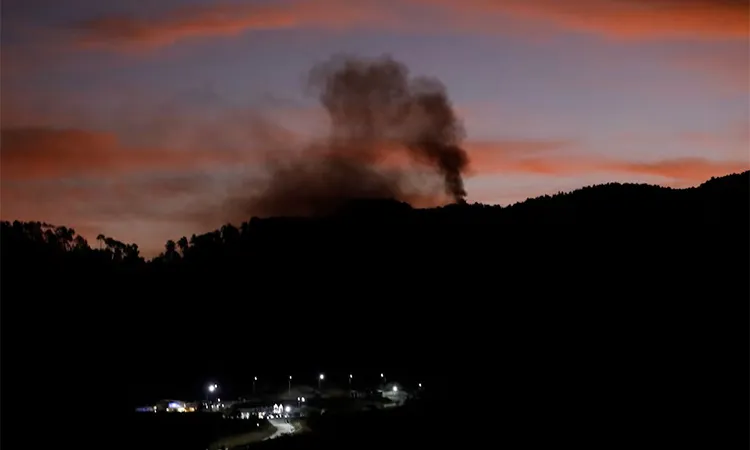
President Donald Trump announced Saturday that U.S. forces have captured Venezuelan President Nicolas Maduro in an overnight military operation, marking the most aggressive American intervention in Latin America in nearly four decades.
Speaking from his Florida resort alongside Defense Secretary Pete Hegseth and Secretary of State Marco Rubio, Trump described the mission as a "powerful display of American might." He confirmed Maduro is in custody and stated the U.S. will oversee Venezuela’s administration until a "judicious transition" can be organized.
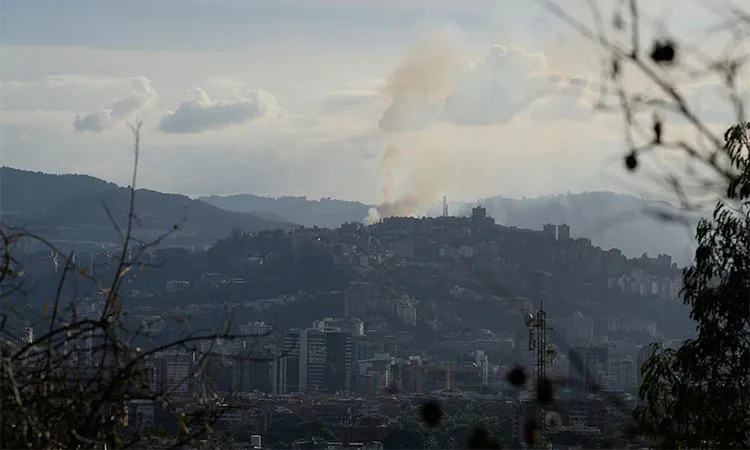
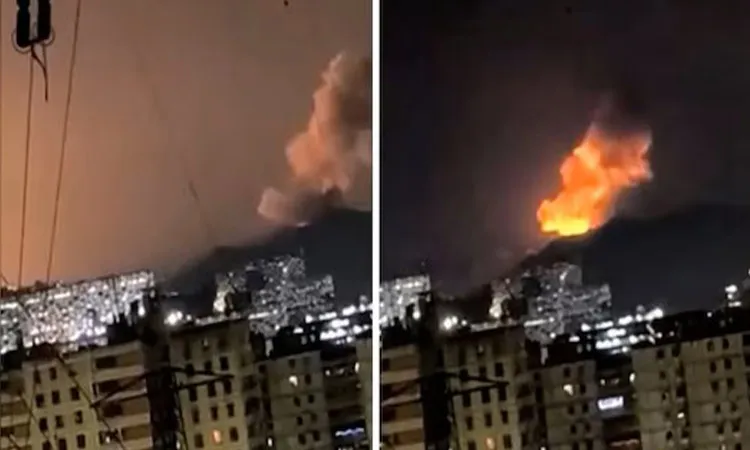
The operation, which reportedly disabled parts of Caracas’s power grid to facilitate Maduro's capture, leaves Venezuela in a precarious state. While Maduro is detained, his government remains largely in place, and U.S. forces do not yet have physical control over the country’s territory or institutions.
The removal of Maduro, who governed for 12 years, creates an immediate power vacuum. Vice President Delcy Rodriguez’s whereabouts remain a subject of intense speculation, with unconfirmed reports placing her in Russia—a claim the Kremlin has dismissed as "fake."

Regionally, the intervention has polarized Latin America. While Argentine President Javier Milei celebrated the move, Brazil and Mexico condemned the action as a violation of sovereignty. Overseas, allies of the Maduro administration, including Iran and Russia, denounced the "unlawful aggression," with Tehran calling for U.S. condemnation at the U.N. Security Council.
The move echoes the 1989 invasion of Panama and signals a modern return to "gunboat diplomacy." However, analysts warn that without a clear exit strategy, the U.S. risks entering a long-term quagmire in a nation of 28 million people.