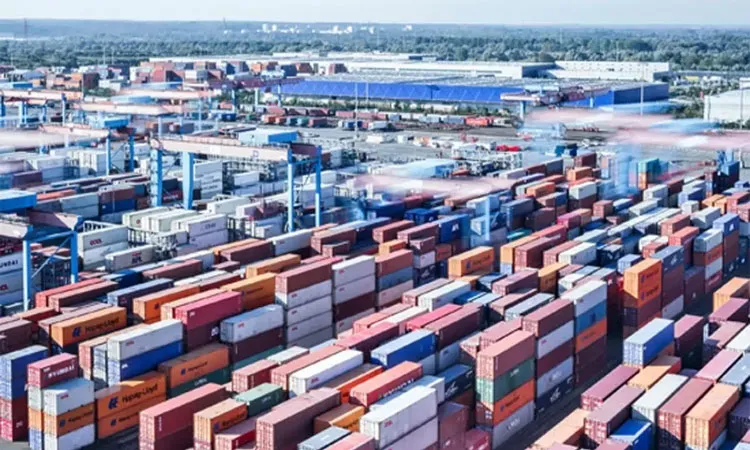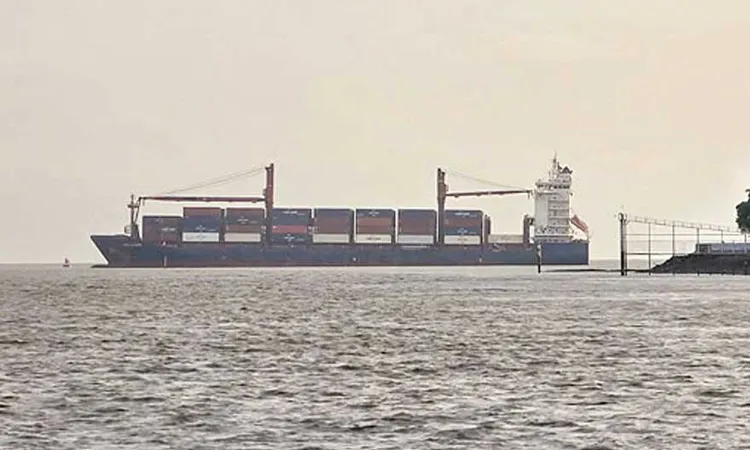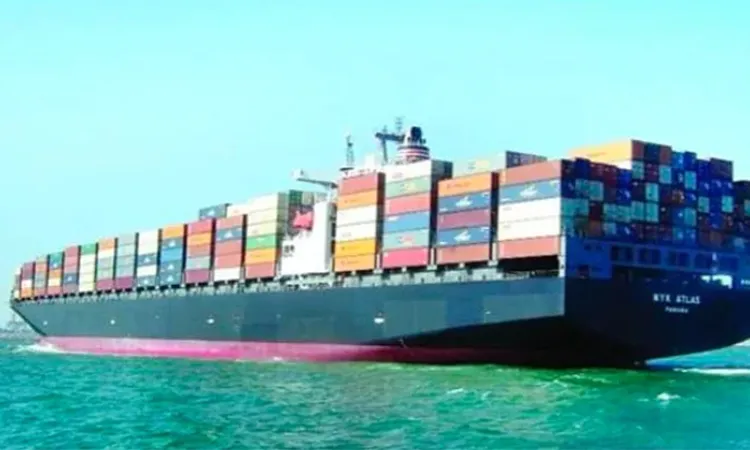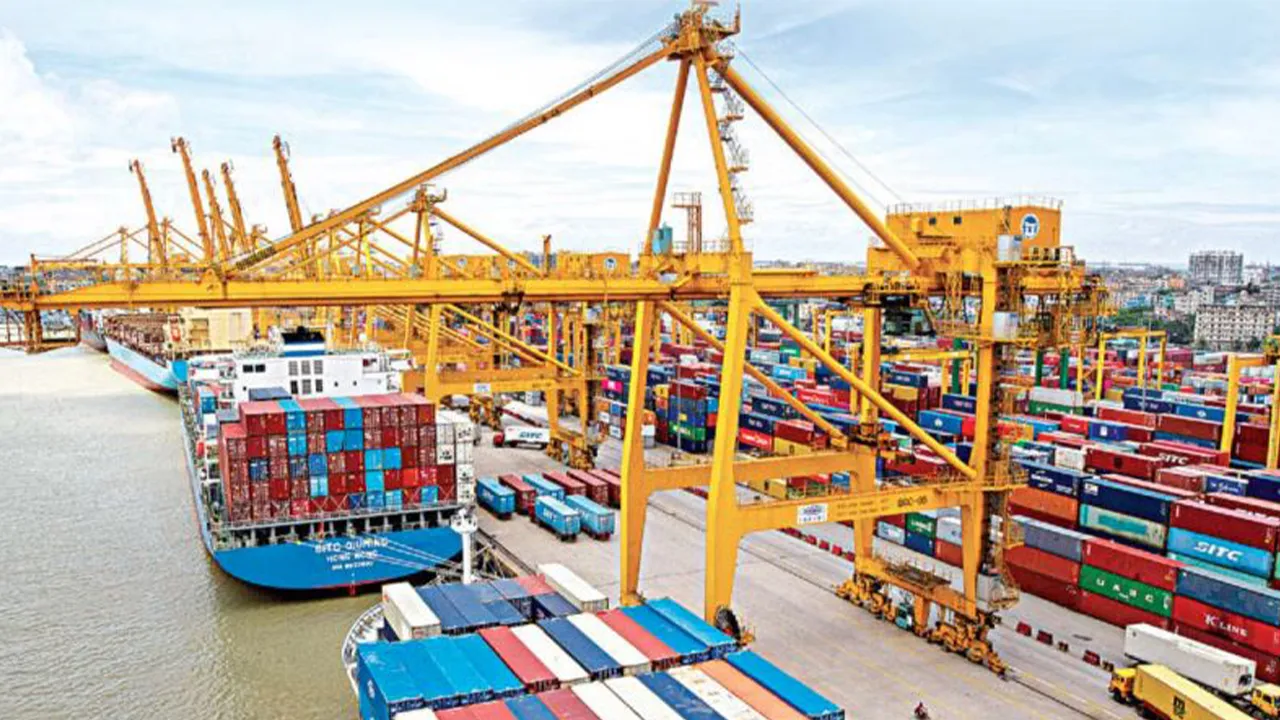
Chittagong Port, Bangladesh's main seaport, has recorded strong growth in container, cargo and vessel handling during the 2025-26 fiscal year, according to provisional data released before the fiscal year closed.
Statistics from the Chittagong Port Authority show that the port handled 3,518,841 TEUs (twenty-foot equivalent units) of containers up to June 29, compared with 3,296,067 TEUs during the same period of the previous fiscal year. This represents 6.76 percent growth, excluding the final day of the fiscal year.
The port handled 3,168,690 TEUs during the 2023-24 fiscal year.
The average turnaround time for container vessels also improved, falling to 2.38 days, reflecting increased operational efficiency and faster service.
According to the Port Authority, around 92 percent of Bangladesh's import and export trade passes through Chittagong Port, while about 98 percent of the country's containerized cargo is handled there.
Bulk cargo handling also increased during the period. The port handled 137.735 million tonnes of cargo up to June 29, compared with 137.725 million tonnes in the previous fiscal year. According to the Port Authority, cargo handling recorded 5.36 percent growth.
The number of commercial vessels calling at the port also rose. A total of 4,324 ships arrived by June 29, up from 4,077 during the same period last year, representing 6.06 percent growth in vessel handling.
Confirming the performance, Chittagong Port Authority Member (Marine and Harbor) Commodore Ahmed Amin Abdullah said the port is on track to set new records in cargo, container and vessel handling.
"Based on statistics up to June 29, cargo handling has grown by 5.36 percent, container handling by 6.76 percent, and vessel handling by 6.06 percent compared with the previous fiscal year. The final figures are expected to be higher after the last day's data are included," he said.
He attributed the port's performance to government support, guidance from the Ministry of Shipping, improved management, automation, information technology upgrades, and the combined efforts of port users, workers and employees.