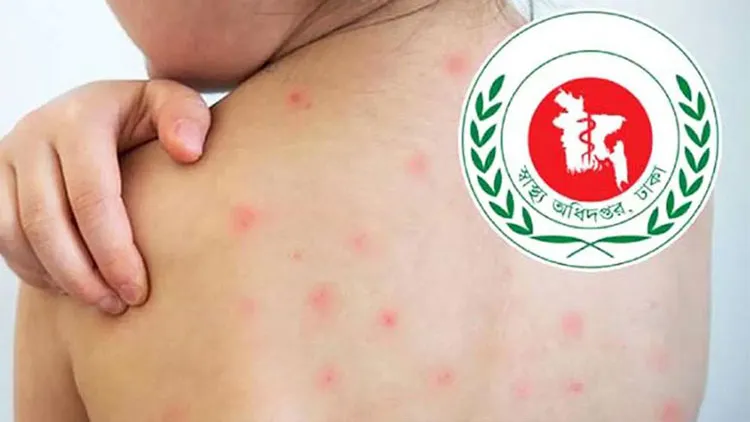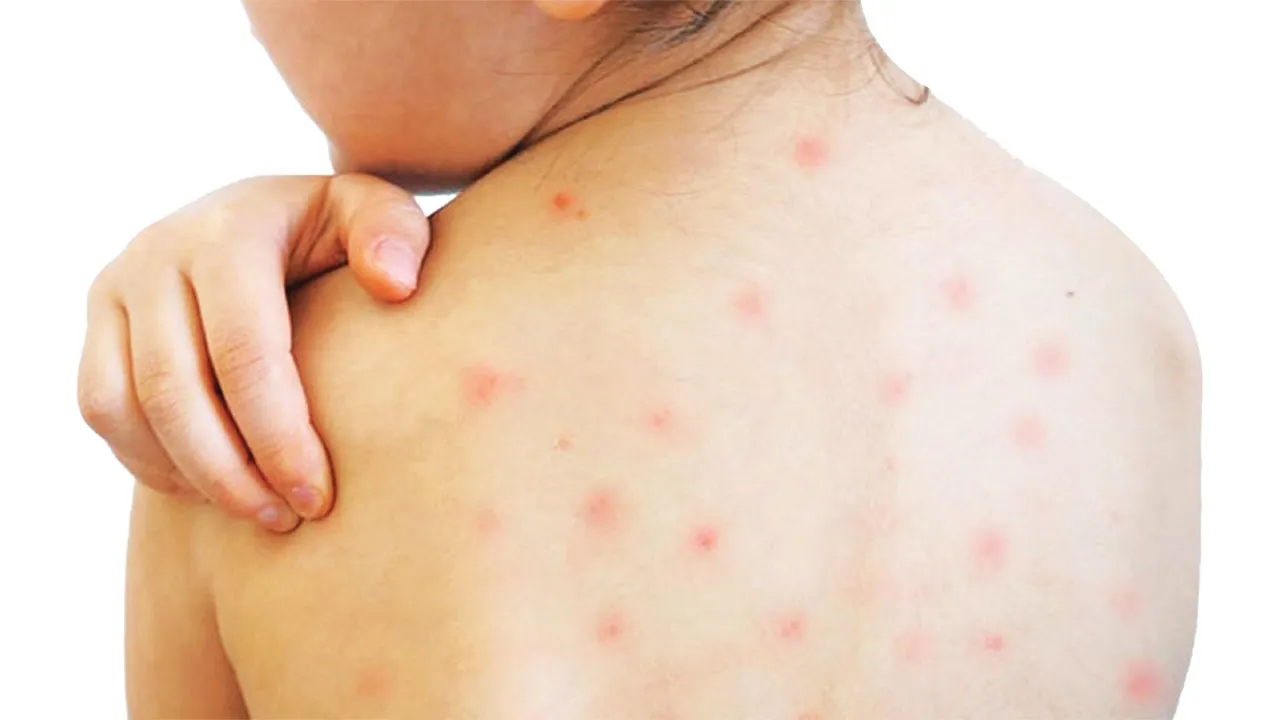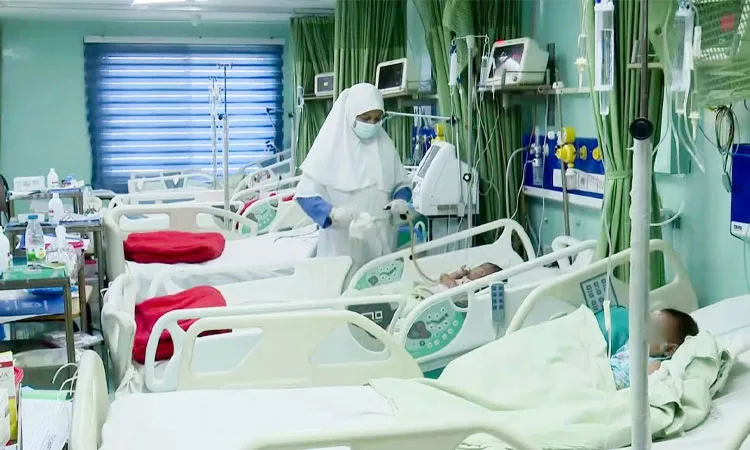
Despite significant medical advancements the measles remains one of the most misunderstood and highly contagious viral diseases in Bangladesh. Many still dismiss it as a minor and harmless childhood illness.
This is a fatal miscalculation. Measles can trigger severe pneumonia with brain inflammation (encephalitis) and even death. Furthermore, it is not restricted to children but also any unprotected adult remains at risk throughout their life.
As a healthcare professional, I frequently see families unintentionally endangering their loved ones by following outdated superstitions instead of science. One of the most dangerous myths is that a patient's room must be sealed shut. In reality, closing all windows traps the virus indoors and worsens the infection. The measles virus is airborne lingering in the air for up to two hours after a sneeze making proper ventilation essential.
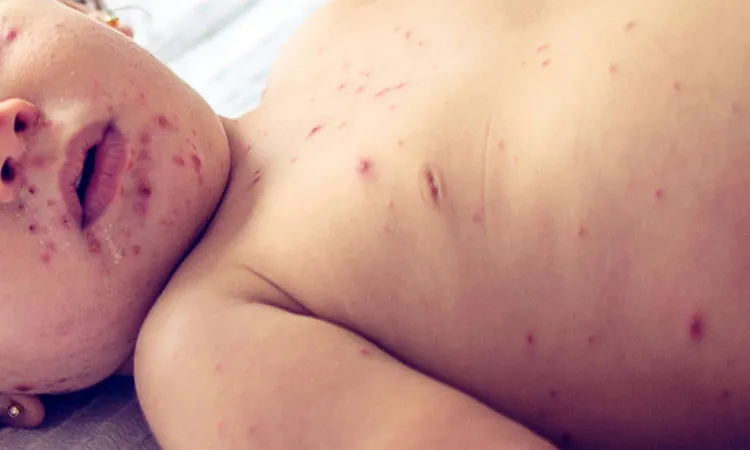
Similarly depriving a patient of proper physical care severely hampers recovery. High fevers should be managed by sponging the body with lukewarm water, not by avoiding baths. Moreover, caregivers should never apply unprescribed oils, powders or herbal juices to the skin as these can cause severe secondary bacterial infections. It is also important to remember that not every red rash is measles; dengue, allergies and rubella present similarly. A true measles diagnosis usually involves high fever, a severe cough and red eyes.
Nutrition is another critical battleground. A common misconception is that patients should only be given water. This is entirely false. Measles severely weakens the immune system. We must continue breastfeeding infants and provide older patients with soft, nutritious foods. While Vitamin A does not prevent measles, it is a vital medical intervention to reduce the risk of severe complications.
Finally we must stop misusing antibiotics, which are useless against viruses and stop sending patients back to school or work the moment their fever breaks. Patients remain contagious for about four days after a rash appears.
To protect our communities, we must stop relying on myths. Anyone can develop severe measles, especially the malnourished or uncompromising. If we want to save lives, we must prioritize isolation, proper hygiene, balanced nutrition and timely medical care.
Author:

Dr. Samina Arif (Associate Professor & Principal-cum-superintendent - Incharge). B.Pharm (Hons), M.Pharm, MBA(HRM), DHMS. Federal Homoeopathic Medical College & Hospital, Farmgate, Dhaka