


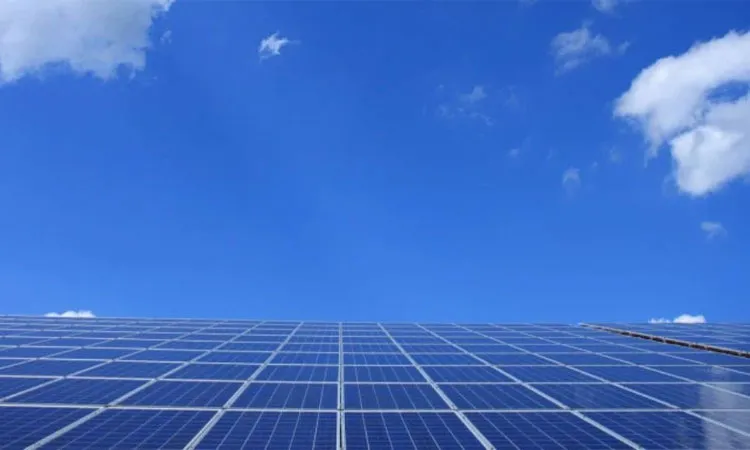
The Bangladesh government plans to launch a third-phase solar power project to achieve full electrification in the remote hill districts of Rangamati Bandarban and Khagrachhari.
Scheduled for 2026 to 2031 the initiative addresses the severe impact of unreliable electricity on local education agriculture and socio-economic growth. Because rugged topography and dense forests make traditional grid expansion technically difficult and expensive off-grid solar systems remain the most practical and sustainable solution for these communities.
The initiative, initially proposed by Rangamati’s Deputy Commissioner, is currently listed in the Annual Development Programme (ADP) as a preliminary "Green Leaf" project. Both the Ministry of Chittagong Hill Tracts Affairs and the Ministry of Power, Energy and Mineral Resources have submitted execution proposals to the Planning Commission. The government will decide which ministry will ultimately implement the finalized Development Project Proposal (DPP).
While the Tk 217.71 crore second phase of the project (2020–2023) successfully provided lighting and mobile charging facilities to targeted households many remote settlements still lack power. Supporting this next phase Prime Minister Tarique Rahman has strongly emphasized expanding renewable energy to tackle broader energy challenges ensuring financial support for future sustainable energy initiatives.

