



A 22-day fishing ban has begun in Cox’s Bazar to protect mother hilsa during the species’ peak spawning season. The ban will remain in effect from October 8 to October 29, during which fishing, transportation, storage, marketing and buying and selling of hilsa are prohibited in rivers and the sea.
The restrictions are aimed at ensuring safe spawning of mother hilsa and supporting the future growth of the country’s national fish. The Department of Fisheries has historically imposed a 22-day ban during the peak hilsa breeding season as part of its conservation measures.
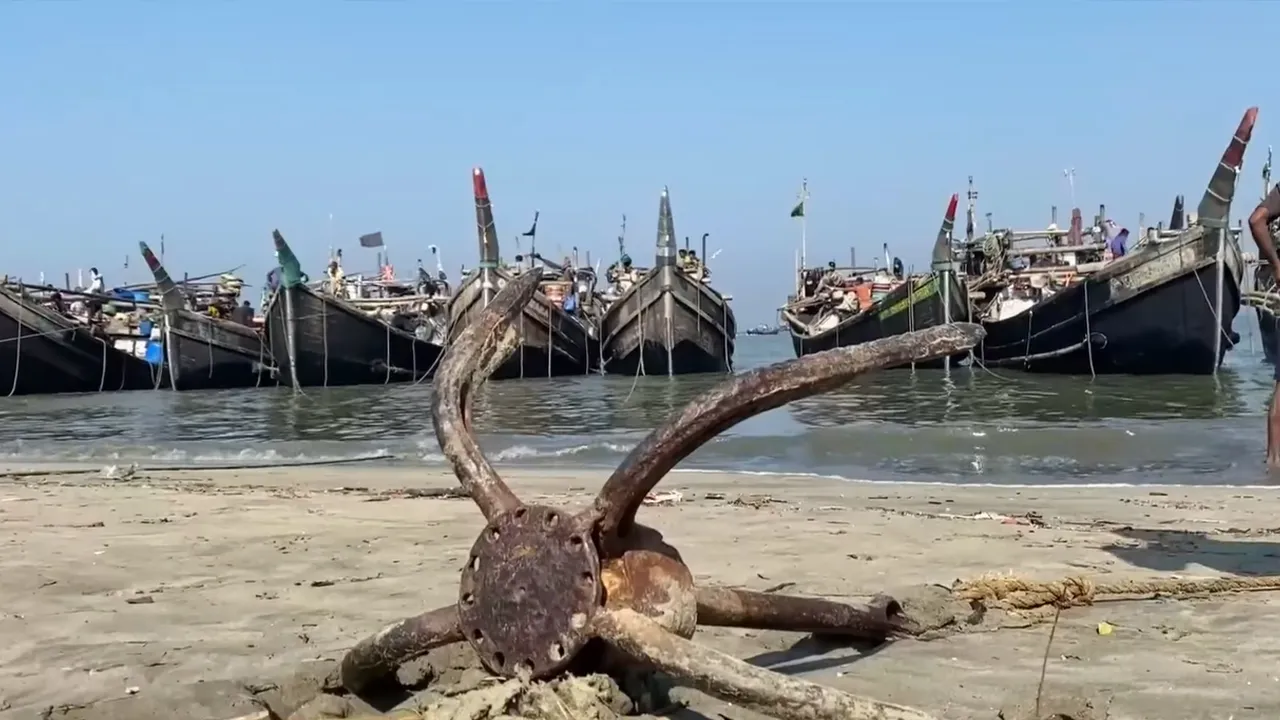
Cox’s Bazar’s Nuniyachhara fish landing centre on the western bank of the Bakkhali River, normally one of the district’s busiest wholesale fish markets, has fallen largely silent. The usual bustle of fishermen, fish traders, ice factories and transport workers has given way to rows of anchored fishing trawlers.
Around 6,000 large and small fishing trawlers operate along the Cox’s Bazar coast, involving about 127,000 fishermen, according to the local fisheries sector. The district has 63,193 registered fishermen.
Fisheries researchers in Cox’s Bazar say strict enforcement of the ban could help protect hilsa spawning and increase production in the next fishing season. They hope that successful conservation of mother hilsa will allow millions of jatka, or juvenile hilsa, to enter the fishery after the eggs hatch.
According to the government notification cited in the report, all fishing, transportation, storage, marketing and trading of hilsa will remain prohibited throughout the 22-day period. The Fisheries Department, district administration, Coast Guard, Navy and police will conduct joint enforcement operations.
The ban comes amid concerns over declining hilsa production. National production stood at around 571,000 metric tonnes in the 2022-23 fiscal year before falling to about 529,000 tonnes in 2023-24 and roughly 504,000 tonnes in 2024-25. Although the final figure for fiscal 2025-26 has yet to be released, fisheries officials fear production may have fallen below 500,000 tonnes.
Preliminary Department of Fisheries figures also indicate that hilsa catches in July-August of the current 2026-27 fiscal year were 30% to 40% lower than during the same period a year earlier.
Fishermen, however, say they are concerned about the timing of the ban, claiming that many hilsa have not yet developed eggs. Despite their concerns, they said they would comply with the government decision. They also called for stronger surveillance by the Navy and other authorities to prevent fishermen from neighbouring countries from entering Bangladesh’s waters during the ban, as well as increased incentives and proper distribution of assistance among genuine fishermen.
A visit to the Nuniyachhara landing centre and surrounding areas on Thursday morning found hundreds of trawlers anchored at the riverbank. With fishing suspended, some fishermen were spending time at tea stalls, while others were repairing nets or carrying out minor maintenance work on boat engines.
The fishing halt has also affected businesses throughout the coastal economy. Large ice factories in the Fisheries Ghat area have stopped operating, while fish marketing, transportation and cold-storage businesses have seen a sharp slowdown.
At the same time, some fishermen have used the break to return to their villages and spend time with their families after long periods at sea.
The ban came just as hilsa catches had reportedly increased along the Cox’s Bazar coast. Thousands of hilsa were recently caught in individual trawlers. One trawler reportedly caught 2,400 hilsa, for which fisherman Abdul Qayum said a price of around Tk 40 lakh was sought. Another trawler sold 1,100 hilsa for Tk 17.60 lakh.
Alam, Humayun and Zakir, fishermen aboard the FB Allah'r Dan, said there was plenty of fish in the sea but they could no longer cast their nets.
“Staying at home for 22 days will make it difficult to meet our household expenses,” they said. “We want to follow the ban. If mother hilsa survives, we will have fish in the future. But government assistance needs to reach us on time to support our families.”
Cox’s Bazar fish trader Jasim Uddin and wholesale aratdar Chhutor Alam said the ban had brought hilsa supplies to the market to a complete halt.
“We will have no sales for 22 days,” they said. “Even if we keep our shops open, there is no fish. Paying employees and running our own households will be a major challenge.”
Cox’s Bazar District Fisheries Officer Md Nazmul Huda said enforcement had been tightened this year and that violators would face action.
“Extensive field-level activities are underway to make the ban fully successful,” he said, adding that the sea must remain undisturbed during the peak spawning period for the hilsa fishery to recover.
He said the Fisheries Department, Navy, Coast Guard and River Police had begun coordinated 24-hour patrols. No fishing trawler would be allowed to go to sea during the ban, and ice factories had also been instructed to remain closed.

